Profitable Trading Fundamentals
Financial Markets
The Market Landscape
A financial market is simply a place where buyers and sellers trade assets. Think of it like a massive, global marketplace. But instead of fruits and vegetables, people are trading stocks, bonds, and currencies. These markets are essential for economies to grow, allowing companies to raise money and investors to put their savings to work.
Markets are generally split into two main categories: primary and secondary.
The primary market is where new securities are born. When a company wants to raise money, it can sell new stocks or bonds directly to investors. The most famous example is an Initial Public Offering (IPO), when a private company first sells shares to the public.
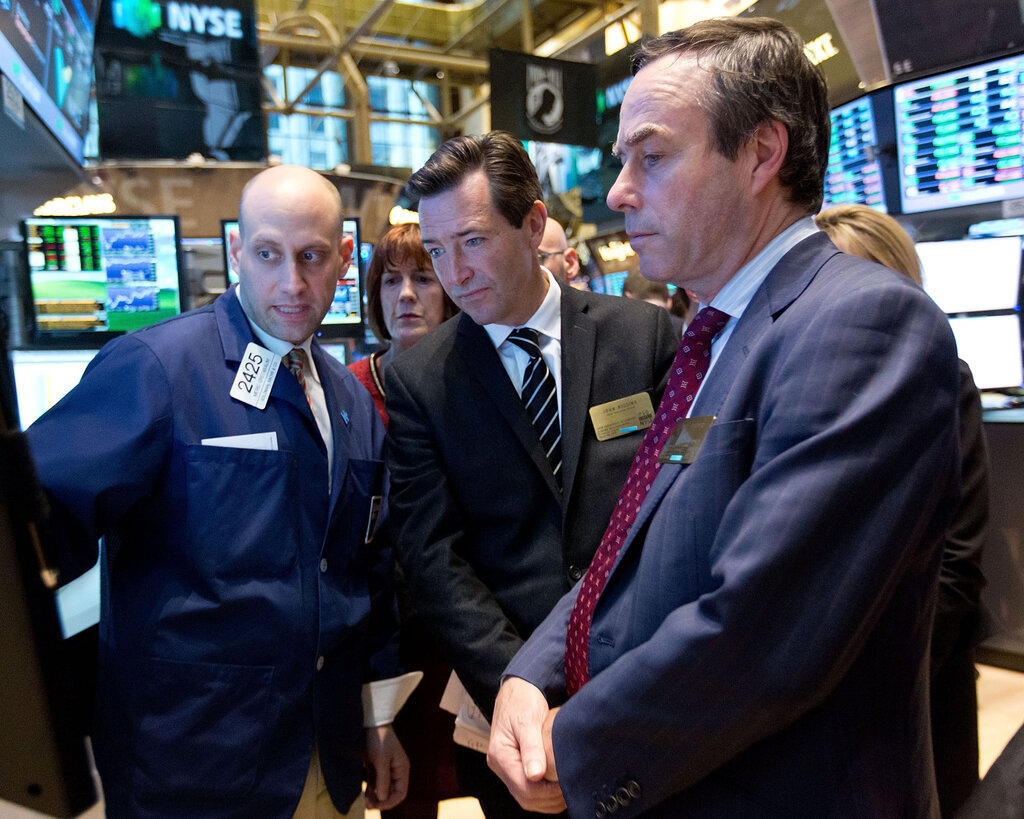
After that initial sale, the action moves to the secondary market. This is where investors buy and sell securities from each other. When you hear news about the stock market going up or down, they're talking about the secondary market. Exchanges like the New York Stock Exchange (NYSE) or Nasdaq are secondary markets.
The Players in the Game
Financial markets are a complex ecosystem with many different types of participants. Each one plays a distinct role in how the market functions.
| Participant | Primary Role |
|---|---|
| Individual Investors | People buying and selling for their personal accounts. Also known as retail investors. |
| Institutional Investors | Large organizations that invest on behalf of others, like pension funds, mutual funds, and insurance companies. They trade in large volumes. |
| Market Makers | Firms that stand ready to buy or sell a particular security at any time, providing liquidity to the market. |
| Brokers | Intermediaries that execute trades on behalf of investors. |
| Governments | Issue bonds to fund public projects and use central banks to influence the economy. |
Liquidity
noun
The ease with which an asset can be bought or sold in the market without affecting its market price. High liquidity means there are many buyers and sellers.
Market makers are particularly important. By quoting both a buy price (bid) and a sell price (ask), they ensure that there's always an opportunity to trade. The difference between these two prices, known as the bid-ask spread, is how they make a profit.
What's Being Traded
Assets traded in financial markets are grouped into categories called asset classes. Each class has unique characteristics, risks, and potential returns. Understanding them is key to building a strategy.
Equities (Stocks) When you buy a stock, you're buying a small piece of ownership in a company. If the company does well, the value of your share may increase. You might also receive a portion of the profits in the form of dividends.
Fixed Income (Bonds) Buying a bond is like giving a loan to a government or a corporation. In return, the issuer promises to pay you periodic interest payments (called coupon payments) and return the original amount of the loan (the principal) on a specific date (the maturity date).
Commodities These are raw materials or basic goods. Commodities are split into two groups: hard commodities, which are mined (like gold, silver, and oil), and soft commodities, which are grown (like wheat, coffee, and corn). Their prices are driven by supply and demand.
Currencies (Forex) This involves trading one country's currency for another. The foreign exchange (Forex or FX) market is the largest financial market in the world. It's where exchange rates are determined, affecting international trade and investment.
Now that you've got the lay of the land, let's review some key terms.
Ready to test your knowledge?
When a company issues shares to the public for the very first time, in which market does this transaction occur?
A market maker facilitates trading by quoting both a buy price (bid) and a sell price (ask). How do they typically profit from this activity?
Understanding these core components—the market structure, the participants, and the assets—is the first step in navigating the world of trading.