Private Browsing with VPNs
Introduction to VPNs
Your Private Tunnel on the Internet
Think of the internet as a busy public highway. When you visit a website, your data travels on this highway in a car that everyone can see. Your Internet Service Provider (ISP), advertisers, and potentially hackers can peek inside and see where you're going and what you're doing.
A Virtual Private Network, or VPN, gives you a private, underground tunnel. Instead of traveling in the open, your data goes through this secure passage. No one on the outside can see where you're going or what you're carrying.
A Virtual Private Network (VPN) is a technology that creates a secure and encrypted connection over the Internet.
This simple idea has powerful effects. A VPN is a service that reroutes your internet traffic through a remote server run by the VPN provider. This process hides your online activity and protects your personal information from prying eyes.
How It Works
A VPN uses a few key techniques to create its private tunnel. Let's break them down.
Encryption
noun
The process of converting information or data into a code, especially to prevent unauthorized access.
First, a VPN uses encryption to scramble your data. Imagine writing a letter in a secret code that only you and the recipient know. Even if someone intercepts the letter, it's just gibberish to them. Encryption does the same for your internet traffic, making it unreadable to anyone who might be snooping.
Next, this scrambled data is sent through a secure connection, a process called tunneling. Your device connects to a VPN server, and all your internet traffic—from browsing to streaming—goes through this protected tunnel. This shields it from the open internet.
Finally, the VPN masks your IP address. An IP address is like a digital home address for your device. When you connect through a VPN, the VPN server lends you its IP address. Any website you visit sees the server's IP, not yours. This hides your real location and makes your activity much harder to trace back to you.
Why Use a VPN?
So, what are the practical benefits of all this technical work?
Privacy: Your ISP can see every website you visit. In some countries, they're required to log this data. A VPN encrypts your traffic, so your ISP only sees that you're connected to a VPN server, not what you're doing.
Security: Public Wi-Fi in cafes, airports, and hotels is notoriously insecure. Hackers on the same network can easily intercept your data. A VPN secures your connection, creating a safe bubble around your activity and protecting sensitive information like passwords and credit card numbers.
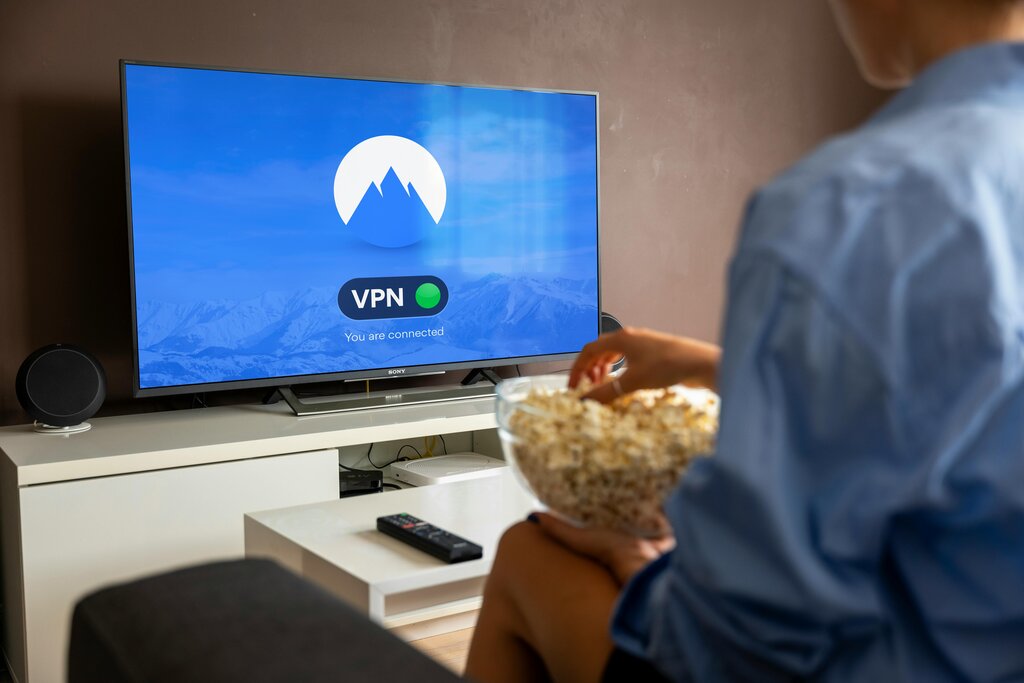
Access: Some websites and streaming services are only available in certain countries. This is called geo-restriction. Because a VPN can make it look like you're browsing from another location, you can often bypass these blocks. For example, you could connect to a server in the UK to watch a show that's only available there.
In short, a VPN is a versatile tool for anyone who values their online privacy, security, and freedom.
Now that you understand the basics, let's test your knowledge.
What is the primary purpose of a Virtual Private Network (VPN)?
Which VPN technique is most responsible for making your data unreadable to snoopers, like someone on the same public Wi-Fi network?
Understanding these core concepts is the first step toward using a VPN effectively to protect your digital life.