Polynomials Explained
Introduction to Polynomials
What Are Polynomials?
Think of polynomials as the building blocks of algebra. They are a special type of algebraic expression that you'll encounter again and again. At their core, they are just a combination of variables, numbers, and exponents, all strung together with addition, subtraction, and multiplication.
A polynomial is an expression made of variables, coefficients, and exponents, combined using addition, subtraction, and multiplication. A key rule is that the exponents of the variables must be non-negative integers (0, 1, 2, 3, ...).
Let's break down the parts of a polynomial using an example: $3x^2 + 2x - 5$.
Let's look at these components more closely:
- Variables: These are the letters in the expression, like or . They represent unknown values.
- Coefficients: These are the numbers that multiply the variables. In our example, 3 and 2 are coefficients. The term is called a constant because it doesn't have a variable attached to it. You can think of it as the coefficient of , since any number to the power of 0 is 1.
- Exponents: These are the small numbers written above the variables, indicating a power. In , the exponent is 2. The exponent on is an invisible 1. An important rule for polynomials is that exponents must be whole, non-negative numbers like 0, 1, 2, and so on.
This rule about exponents is crucial. It helps us distinguish what is a polynomial from what isn't. An expression with a negative exponent (like ) or a fractional exponent (like , which is ) is not a polynomial. Division by a variable (like ) is also not allowed, as it's the same as having a negative exponent.
| Polynomials | Not Polynomials |
|---|---|
Why They Matter
Polynomials aren't just abstract math problems; they are incredibly useful for describing the world around us. Scientists and engineers use them to model everything from the trajectory of a thrown ball to the growth of a population or the curves in a roller coaster track.
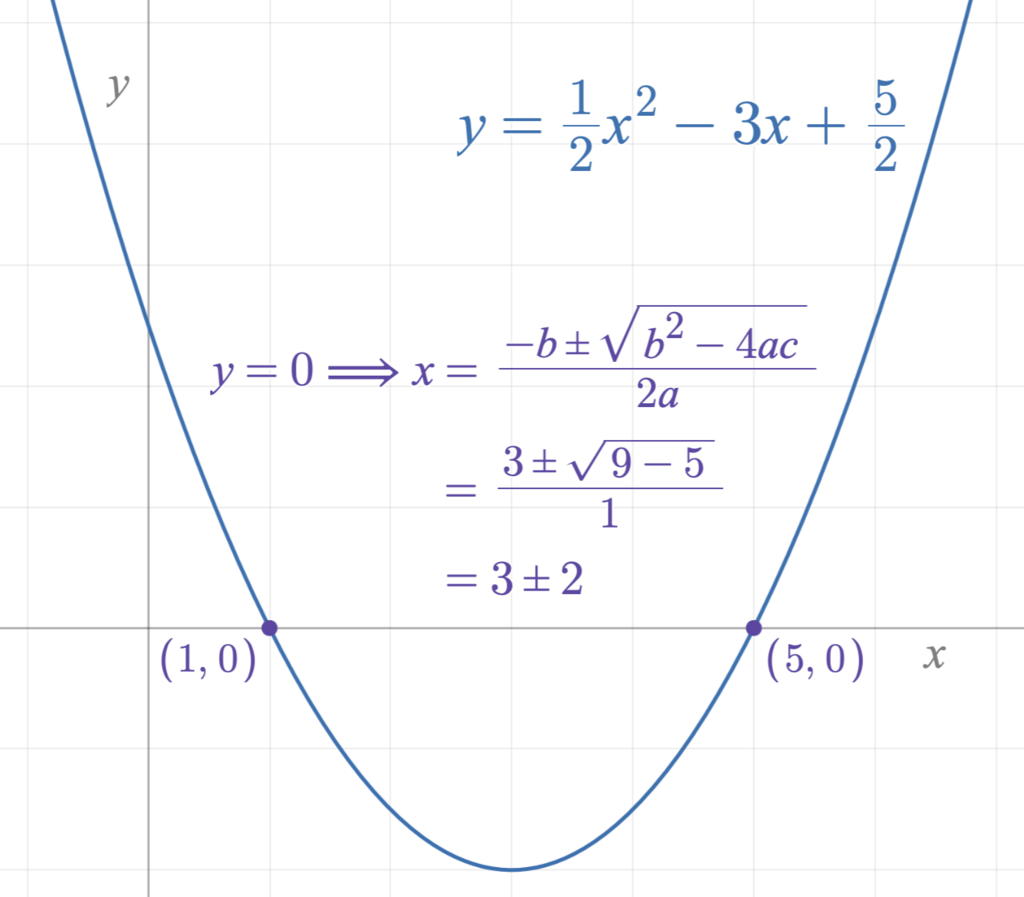
Understanding how polynomials work is a foundational step in algebra. It opens the door to solving a huge range of problems and understanding more complex mathematical ideas.
In the polynomial , what is the coefficient of the term?
Which of the following expressions is NOT a polynomial?
Now that you've got the basics down, you're ready to explore what you can do with them.