Pilates Fundamentals
Introduction to Pilates Principles
How You Move Matters
Pilates isn't just a series of exercises. It’s a method of movement built on a set of core principles. Mastering these ideas is the difference between simply going through the motions and truly transforming how your body feels and functions. The focus is less on what you're doing and more on how you're doing it.
These principles work together to create a powerful mind-body connection, making every movement intentional and effective. They are the foundation that supports everything else in the practice.
The Pilates Principles are general rules governing the execution of all exercises of the method.
Your Center, Your Power
Everything in Pilates begins from your center. Joseph Pilates, the creator of the method, called this area the “Powerhouse.” It includes your abdominal muscles, lower back, hips, and glutes. Think of it as a wide belt of strength wrapping around your midsection.
All energy for movement should originate from this core and flow outward to your limbs. When you move from your center, you build stability, protect your spine, and ensure your movements are strong and integrated rather than isolated and weak.
Powerhouse
noun
The collective group of muscles in the center of the body, including the abdomen, lower back, hips, and glutes, which provides the foundation for all movement in Pilates.
Engaging your core properly is key. It's not about sucking in your stomach. Instead, imagine gently tightening the muscles around your waist, drawing your navel toward your spine without holding your breath. This creates a stable base from which to move.
Mindful Movement
Four key principles guide the quality of every Pilates movement: Concentration, Control, Precision, and Flow.
Concentration is about being fully present. You must pay attention to your body, your alignment, and how each movement feels. This focus creates the essential mind-body connection that makes Pilates so effective. It turns your workout into a form of moving meditation.
Concentration is essential for creating the mind body connection.
Control is the opposite of sloppy, momentum-based movement. Joseph Pilates originally called his method “Contrology” for this reason. Every action should be deliberate and managed, engaging the correct muscles and avoiding jerky motions. This not only builds strength but also prevents injury.
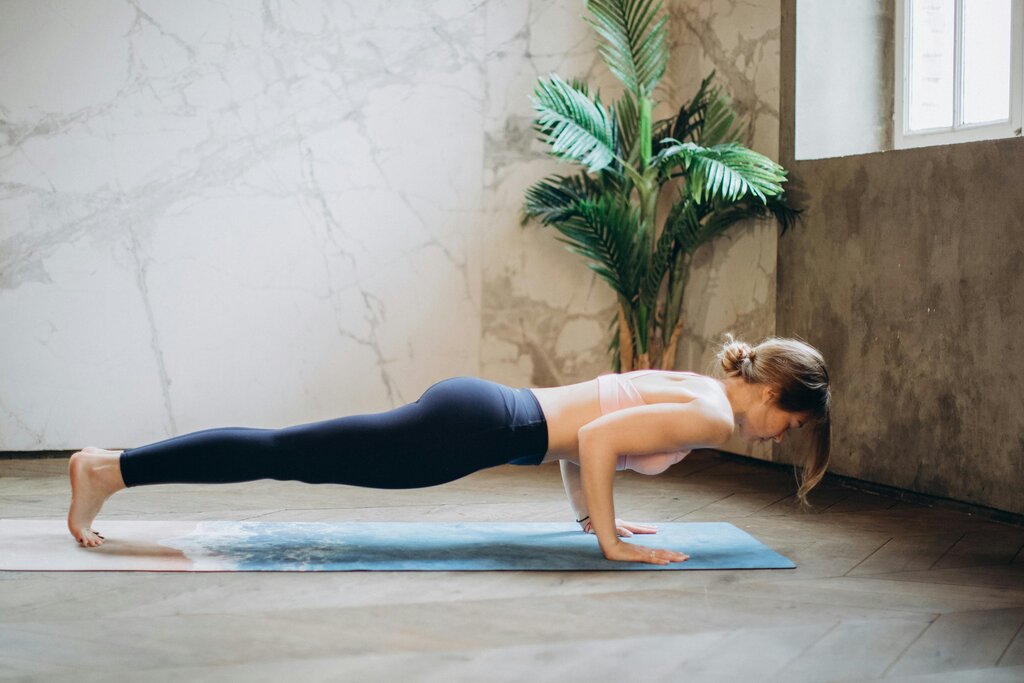
Precision goes hand-in-hand with control. It means placing every part of your body in the correct position and moving with exactness. Where are your feet? Are your shoulders relaxed? Is your spine aligned? Small adjustments can make a huge difference in an exercise's effectiveness. The goal is quality over quantity; a few precise movements are better than many sloppy ones.
Finally, Flow is the principle that links all movements together into a smooth, continuous sequence. There are no static, isolated poses. Instead, each exercise transitions gracefully into the next, creating a rhythm that builds stamina and coordination. The result is movement that looks and feels effortless.
The Rhythm of Breath
Breath is the engine of Pilates. It's not just something you do in the background; it's an integral part of every exercise. Proper breathing oxygenates your blood, energizes your muscles, and helps you engage your core more deeply.
Proper breathing is essential to the flowing nature of Pilates and sets it apart from many other exercise techniques.
The standard technique is a full, deep breath that emphasizes exhalation. You inhale through your nose to prepare for a movement and exhale fully through your mouth as you execute the most strenuous part of it. The exhale is often forceful, like you're blowing out candles, which helps to activate the deep abdominal muscles.
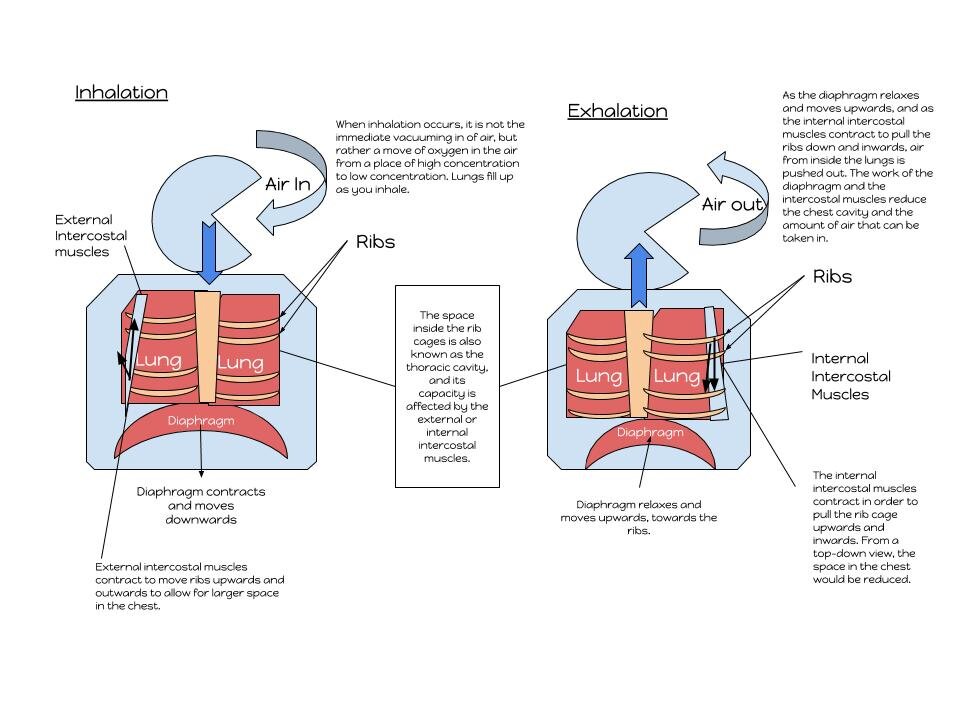
This method is called lateral or intercostal breathing. Instead of just breathing into your belly, you focus on expanding your rib cage out to the sides and back. This allows you to maintain core engagement while still taking deep breaths. To practice, place your hands on the sides of your rib cage. As you inhale, feel your ribs expand into your hands. As you exhale, feel them draw back in.
Let's review the main ideas we've covered.
Ready to check your understanding?
What is the primary focus of the Pilates principle of "Centering"?
The original name for the Pilates method was "Contrology." This emphasizes the importance of moving with deliberate intention rather than momentum.
By focusing on these principles—Centering, Concentration, Control, Precision, Breath, and Flow—you build a strong foundation. This approach ensures that your Pilates practice is safe, effective, and deeply connected.