Phlebotomy Fundamentals
Introduction to Phlebotomy
The Basics of Phlebotomy
phlebotomy
noun
The practice of drawing blood from a vein, typically for laboratory testing.
At its core, phlebotomy is the process of collecting blood. But it's much more than just a needle stick. Blood is a rich source of information about our health. A small sample can tell doctors about infections, organ function, genetic conditions, and how well a treatment is working.
Think of a blood sample as a liquid snapshot of your body's internal environment. Phlebotomy is the procedure that captures this snapshot, making it a critical first step for countless medical diagnoses and decisions.
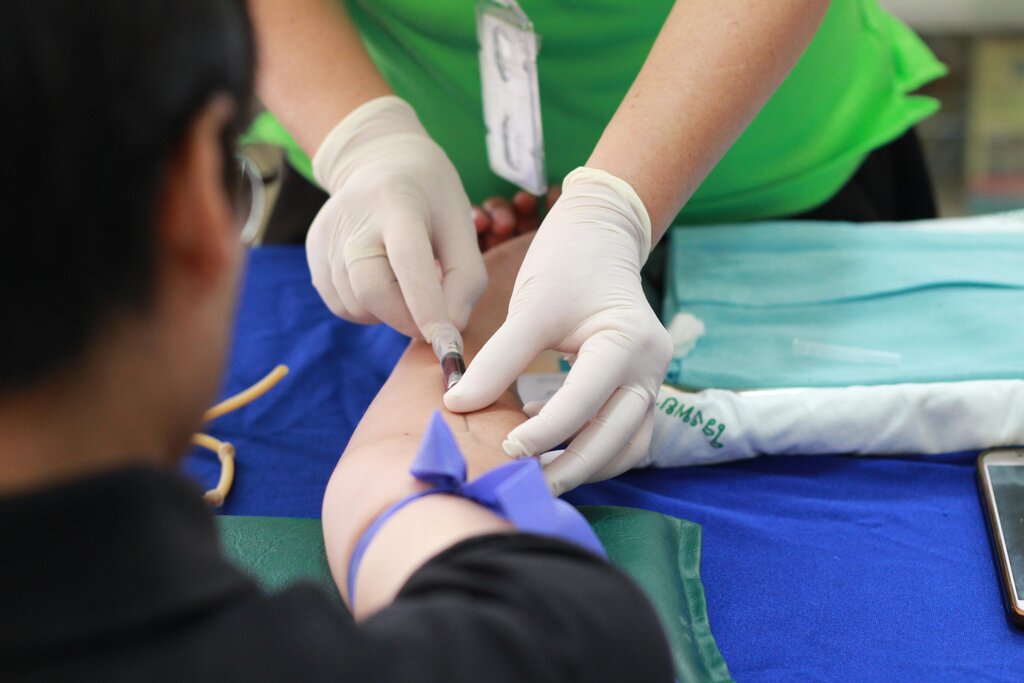
The Role of a Phlebotomist
A phlebotomist is the healthcare professional trained to collect blood samples. Their role is a unique blend of technical skill and human interaction. On a typical day, they are responsible for much more than just finding a vein.
Key responsibilities include:
- Patient Identification: Correctly identifying the patient is the most important step. A mix-up can have serious consequences, leading to a misdiagnosis based on someone else's results.
- Procedure Explanation: They explain the procedure to the patient, answering any questions to help them feel comfortable and informed.
- Safety and Sterility: Following strict protocols to prevent infection for both the patient and themselves is paramount. This includes using sterile, single-use equipment.
- Sample Handling: After collection, they ensure the blood is placed in the correct tubes, labeled perfectly, and stored properly for transport to the laboratory. The integrity of the sample is crucial for accurate test results.
A phlebotomist acts as the essential link between the patient and the clinical laboratory.
From Bloodletting to Modern Science
Phlebotomy has a surprisingly long and dramatic history. For centuries, the practice was known as bloodletting and was based on the ancient theory of the four humors: blood, phlegm, black bile, and yellow bile. It was believed that illness resulted from an imbalance of these fluids, and removing excess blood could restore health.
Physicians used tools like lancets, scarificators, and even leeches to perform bloodletting for nearly any ailment, from a fever to a broken heart. This practice was often harmful and lacked any scientific basis. It wasn't until the 19th century, with the rise of modern medicine and a better understanding of the circulatory system, that bloodletting fell out of favor.
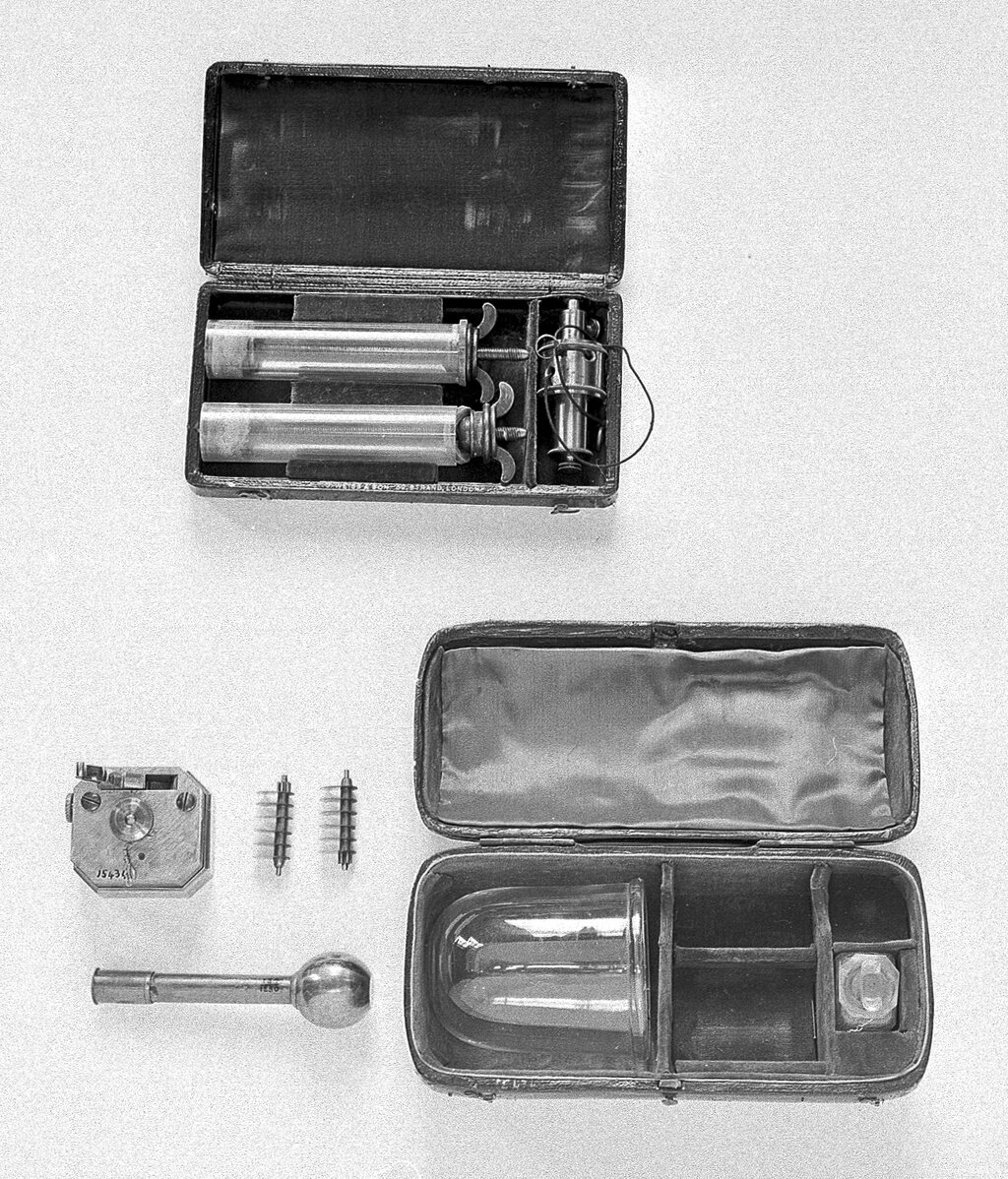
Today, phlebotomy is a precise, evidence-based procedure. We no longer remove blood to balance humors; we collect small, specific amounts to gain diagnostic insights. The focus has shifted entirely from a crude treatment to a sophisticated tool for understanding and monitoring health.
Ethics and Patient Interaction
Modern blood collection is governed by strict ethical principles. The most important is informed consent. Patients have the right to know what is being done and why, and they have the right to refuse the procedure at any time. Patient privacy and confidentiality are also critical. All patient information must be protected.
Beyond the technical aspects, a phlebotomist's communication skills are essential. Many people feel anxious about needles. A good phlebotomist can ease fears by being calm, confident, and empathetic. Clear communication builds trust and ensures patient cooperation, making the procedure safer and more comfortable for everyone.
Imagine the difference between a phlebotomist who walks in and says, "Give me your arm," versus one who says, "Hi, my name is Alex. Your doctor has ordered a few tests, so I'm here to draw a small sample of blood. Have you had this done before?" The second approach is respectful, informative, and reassuring.
The way you communicate can be just as important as how well you perform the procedure.
Accuracy is the final pillar of a phlebotomist's duty. A mislabeled tube or a contaminated sample can lead to devastating errors in diagnosis and treatment. Every step, from identifying the patient to affixing the final label, requires meticulous attention to detail. This precision ensures that the doctor receives reliable information to make the best possible decisions for the patient's care.