Phishing Attack Detection and Defense
Understanding Phishing
What is Phishing?
Phishing is a type of cyberattack where criminals trick you into giving them sensitive information. Think of it as a digital costume party where the bad guys dress up as someone you trust, like your bank, a social media site, or even your boss.
Their goal is to steal personal details such as passwords, credit card numbers, or company secrets. They do this by sending fraudulent messages, usually emails or texts, that look legitimate. This tactic is a form of social engineering because it manipulates people's natural tendency to trust.
Phishing
noun
A fraudulent attempt to obtain sensitive information such as usernames, passwords, and credit card details by disguising as a trustworthy entity in an electronic communication.
Common Types of Phishing
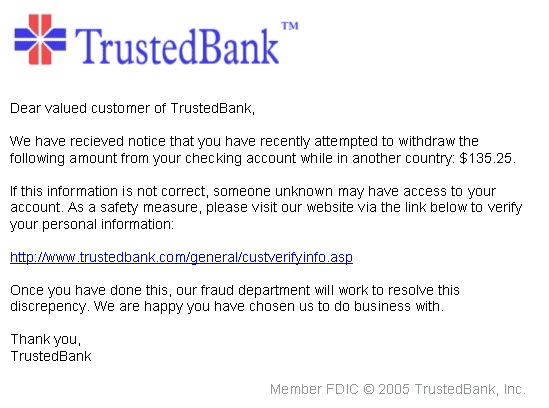
Phishing isn't a one-size-fits-all attack. Scammers use different methods to cast their nets. The most common is general email phishing, where attackers send a generic message to thousands of people, hoping a few will bite. These emails often mimic well-known brands and contain links to fake login pages.
A more targeted and dangerous version is spear-phishing. Here, the attacker does their homework. They research a specific person or organization to craft a highly personalized message. For example, an accountant might receive an email that appears to be from their CEO, asking them to urgently process an invoice for a known vendor. Because the email contains specific details, it seems much more credible.
Phishing also happens over text messages, a method known as smishing. You might get a text claiming a package delivery failed and asking you to click a link to reschedule, or a warning from your "bank" about a suspicious transaction. These messages prey on our tendency to trust texts and act quickly on our phones.
Smishing messages often create a sense of urgency, pressuring you to click a link or provide information without stopping to think.
The Psychology of Deception
Phishing attacks are successful because they exploit human psychology, not just technology. Attackers know which buttons to push to get us to bypass our better judgment. One of the most powerful tools is creating a sense of urgency or fear. Messages like "Your account will be suspended in 24 hours" or "Suspicious activity detected" make us panic and act without thinking.
Another tactic is appealing to authority and trust. By impersonating a government agency, a top executive at your company, or a familiar brand, scammers make their requests seem legitimate. We're conditioned to follow instructions from people or organizations we believe are in charge.
Curiosity and greed are also powerful motivators. An email might promise a huge discount, a prize, or access to exclusive information. The temptation to see what's behind the link can be strong enough to make someone ignore the warning signs.
Phishing attacks are a significant societal threat, disproportionately harming vulnerable populations and eroding trust in essential digital services.
The Consequences
A successful phishing attack can have serious consequences. For an individual, it could mean identity theft, financial loss from drained bank accounts, or having personal photos and messages stolen. Scammers can use your credentials to take out loans in your name or commit other crimes.
For a business, the damage can be catastrophic. A single employee clicking a malicious link can lead to a massive data breach, exposing customer information and sensitive company data. This can trigger regulatory fines, lawsuits, and a devastating loss of customer trust. Beyond the financial cost, companies also have to deal with operational downtime and damage to their reputation that can take years to repair.
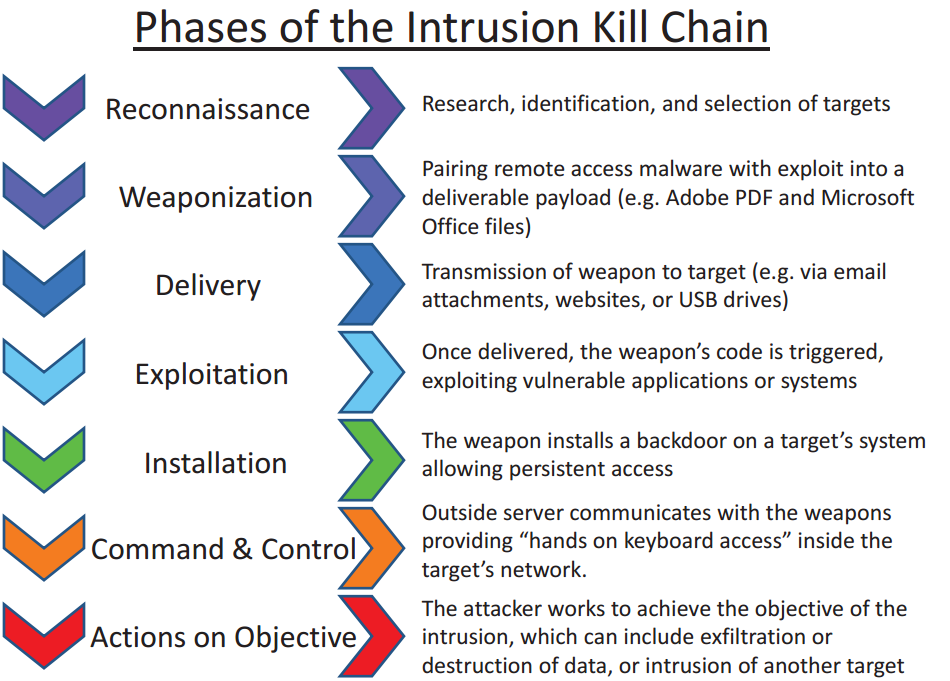
Understanding how phishing works is the first step toward defending against it. By recognizing the different forms of attack and the psychological tricks they use, you can better protect yourself and your organization from becoming a victim.
What is the primary goal of a phishing attack?
An accountant receives an email that appears to be from their company's CEO. The email mentions a recent, real company project and asks for an urgent wire transfer to a new vendor. This is an example of what?