Pharmaceutical Development and Regulation
Clinical Trial Complexity
Phase I: Finding the Right Dose
Once a promising drug candidate leaves the lab, it enters the highly regulated world of human testing. The first step is the Phase I trial, which has one primary goal: safety. Researchers need to determine how the human body processes the drug and, most importantly, find the highest dose that can be given without causing unacceptable side effects. This is known as the Maximum Tolerated Dose, or MTD.
Traditionally, this process starts with very low, single doses given to a small group of healthy volunteers. This is called a Single Ascending Dose (SAD) study. If the dose is well-tolerated, a new group of volunteers receives a slightly higher dose. This continues until mild side effects appear. Following this, a Multiple Ascending Dose (MAD) study might be conducted, where volunteers receive repeated low doses to see how the drug accumulates in the body over time.
The core question of Phase I is not "Does it work?" but "Is it safe?" Answering this question protects participants in later, larger trials.
The classic method for dose escalation is the 3+3 design. Three participants get a dose. If none experience a dose-limiting toxicity (DLT), the trial escalates to a higher dose for the next three. If one has a DLT, three more participants are added at the same dose. If two or more have a DLT, the trial stops escalating, and the previous dose level is declared the MTD. While simple, this method is slow and can expose more participants than necessary to sub-therapeutic or overly toxic doses. Modern trials often use more efficient, model-based approaches like the (CRM) and the Bayesian Optimal Interval (BOIN) design. These methods use data from all participants to model the dose-toxicity relationship in real time, allowing for more precise adjustments and a faster path to identifying the MTD.
Phase II: The Go/No-Go Decision
If a drug is deemed safe in Phase I, it moves to Phase II. This is the crucial 'proof-of-concept' stage. Here, for the first time, the drug is given to patients who have the condition it is intended to treat. The primary goal shifts from safety to preliminary efficacy: does the drug have a biological effect on the disease? Phase II trials are larger than Phase I, typically involving a few dozen to several hundred patients.
Researchers closely monitor patients for signs that the drug is working, using biomarkers or clinical endpoints. They also continue to gather safety data in a larger, more diverse population. This stage is a major filter in the development pipeline; only about 30% of drugs that enter Phase II will proceed. The data gathered here informs the critical ' decision'. If the drug shows a promising signal of efficacy without new, serious safety concerns, the company will invest the massive resources required for Phase III. If the results are weak or safety issues emerge, the program is often terminated.
Phase III: The Final Hurdle
Phase III is the definitive, confirmatory stage. These are large-scale, pivotal trials designed to provide the statistically significant evidence that regulatory agencies like the FDA require for approval. They can involve hundreds or thousands of patients across multiple countries and typically last for several years.
Seamless clinical trials, characterized by their ability to transition seamlessly from one phase to another, can lead to accelerating the development of promising therapies while Master protocols provide a framework for investigating multiple treatment options and patient subgroups within a single trial.
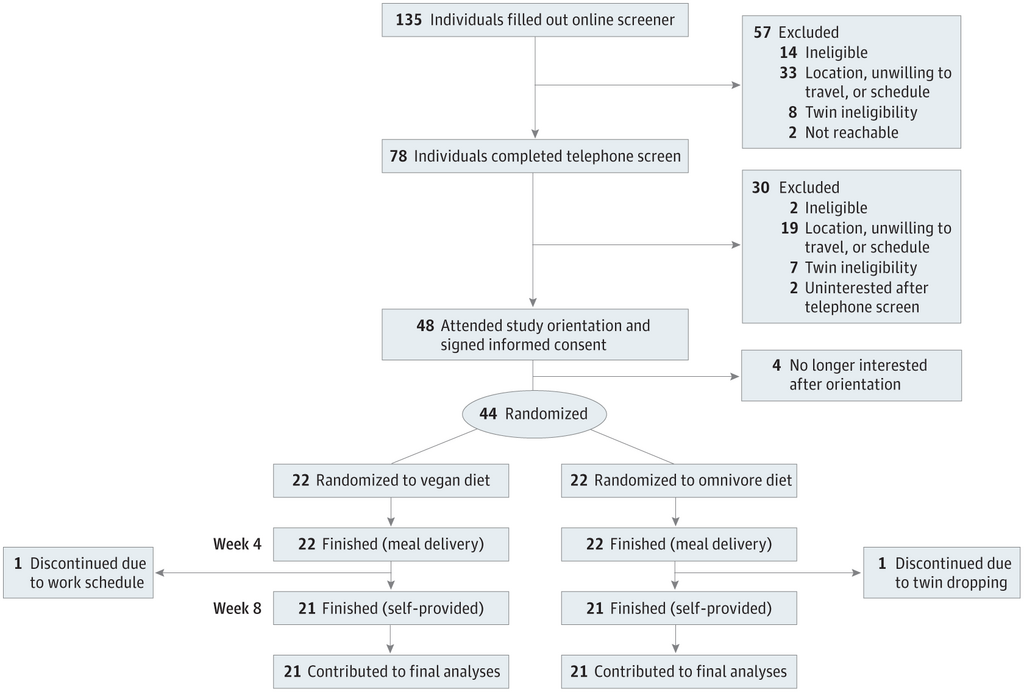
The gold standard for Phase III is the Randomized Controlled Trial (RCT). In an RCT, participants are randomly assigned to receive either the new drug or a control, which could be a placebo or the current standard-of-care treatment. To prevent bias, these trials are often 'double-blind,' meaning neither the patients nor the investigators know who is receiving which treatment. The primary goal is to determine if the new drug offers a therapeutic benefit that outweighs its risks compared to the control.
Placebo
noun
A substance or treatment which is designed to have no therapeutic value. It is used in clinical trials to control for the placebo effect, where a patient's belief in a treatment can cause a perceived or actual improvement in their condition.
Success in this phase hinges on robust trial design, particularly the choice of endpoints and ensuring sufficient to detect a real effect if one exists. Strategic attrition, or the planned dropping of failing drug candidates, is a constant reality. Even after a 'go' decision from Phase II, only about 58% of drugs that enter Phase III ultimately gain approval. The high cost and high failure rate make this the most challenging phase of drug development.
After navigating the complexities of these three phases, a successful drug candidate has one final step: submitting all the collected data to regulatory bodies for review and, hopefully, approval for use by the public.
Ready to test your knowledge on clinical trial phases?
What is the primary goal of a Phase I clinical trial?
In a traditional "3+3" dose-escalation study, what happens if one of the first three participants at a new dose level experiences a dose-limiting toxicity (DLT)?