Pharma Formulation and Development Interview Prep
Introduction to Pharmaceutical Formulation
The Recipe for a Medicine
An active drug, known as an Active Pharmaceutical Ingredient (API), is rarely just a raw powder. By itself, an API might be unstable, taste terrible, or be impossible for the body to absorb. That's where pharmaceutical formulation comes in. It’s the process of turning a raw API into a final medicinal product that is safe, effective, and convenient for a patient to use.
Think of it like baking. Flour is the main ingredient for a cake, but you can't just eat a spoonful of flour. You need to mix it with eggs, sugar, and other ingredients in a precise recipe to create something you can actually enjoy. In medicine, these extra ingredients are called excipients.
Formulation is both a science and an art. Scientists must choose the right excipients to ensure the drug is delivered to the right place in the body, at the right time, and in the right amount. The goal is to create a final product that is stable on the shelf and effective in the patient.
Why Dosage Forms Matter
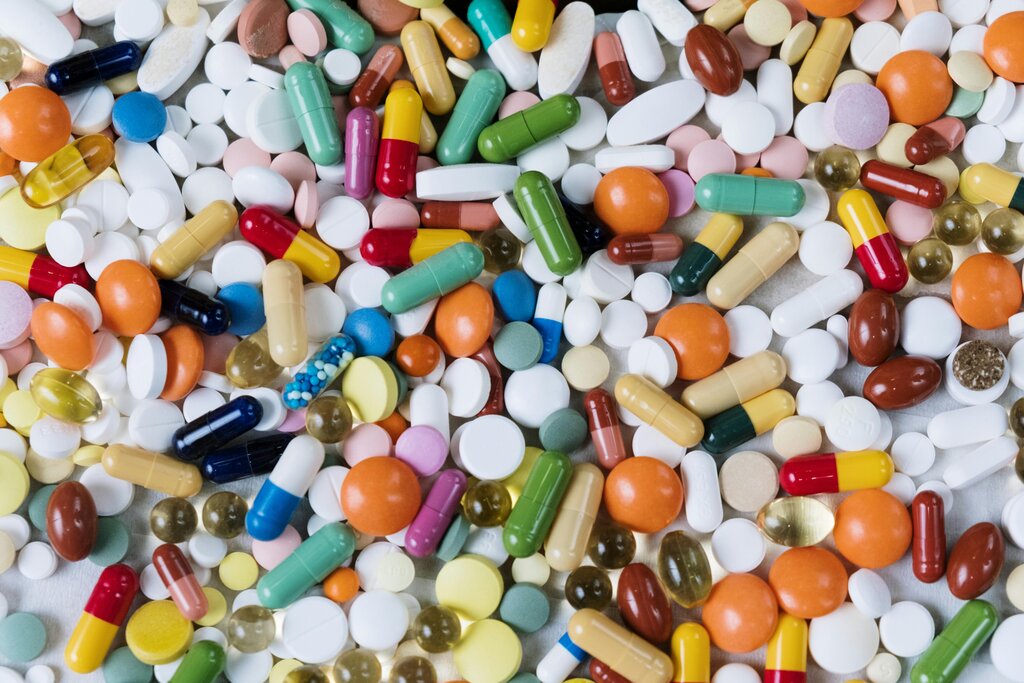
The final form a medicine takes is called its dosage form. This could be a tablet, a capsule, a liquid syrup, an injection, a skin cream, or an inhaler. The choice of dosage form is critical for the drug to work properly.
Different forms serve different purposes. A child who can't swallow pills might need a liquid formulation. A skin infection requires a cream that can be applied directly to the affected area. An asthma attack needs a fast-acting inhaler that delivers medicine straight to the lungs. The dosage form dictates how the API enters and travels through the body.
Impact on Efficacy and Compliance
A brilliant drug molecule is useless if its formulation is poor. The formulation directly affects a drug's efficacy, or its ability to produce the desired therapeutic effect. It ensures the API is released properly so the body can absorb it. For example, some tablets have a special coating that prevents the stomach's acid from destroying the drug, allowing it to be absorbed later in the intestines.
Formulation also plays a huge role in patient compliance—whether a person takes their medicine as prescribed. If a pill is too large to swallow, has a bitter taste, or needs to be taken multiple times a day, a patient is less likely to stick with the treatment. A well-designed formulation, such as a once-daily tablet or a pleasant-tasting syrup, makes it easier for patients to follow their treatment plan, leading to better health outcomes.
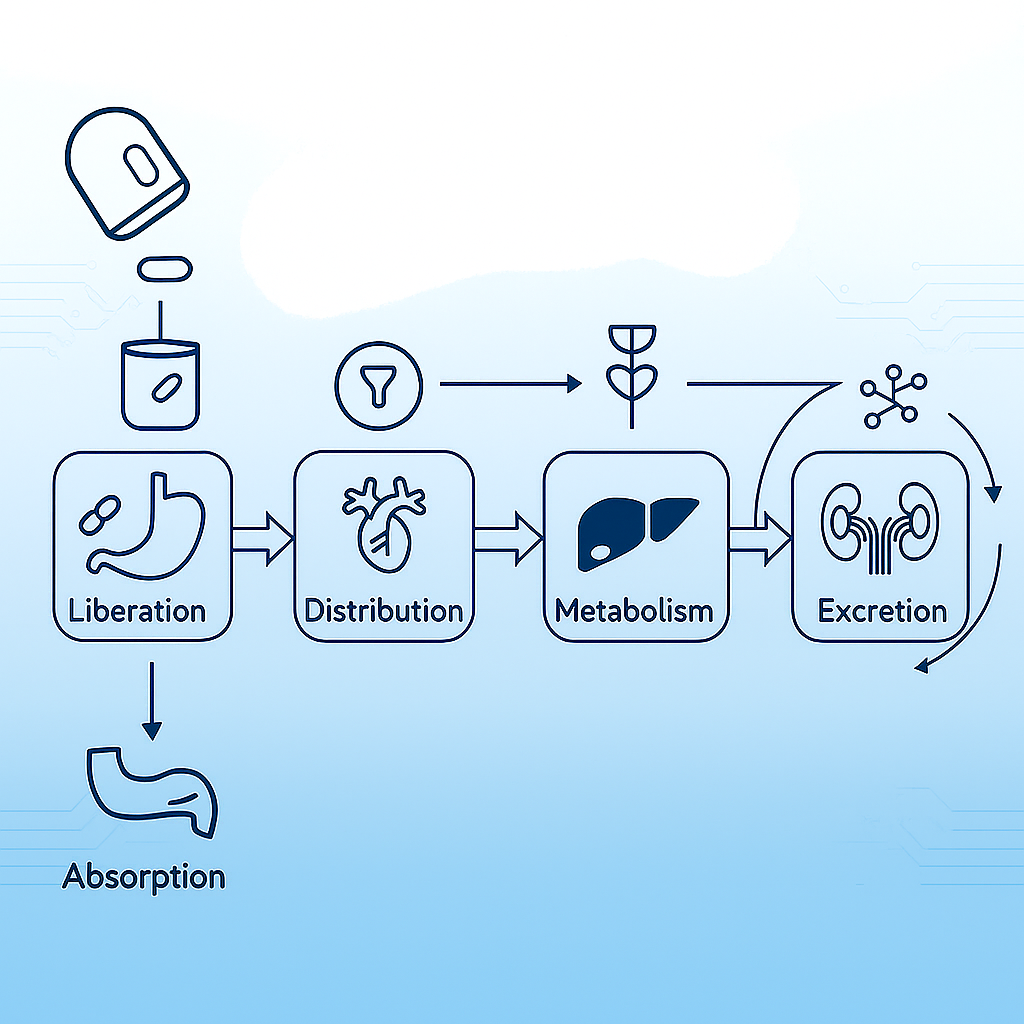
Ultimately, the formulation controls the drug's journey through the body. This journey is described by pharmacokinetics, which looks at how the body absorbs, distributes, metabolizes, and excretes a drug (often abbreviated as ADME). The formulation is the very first step that dictates how this entire process will unfold.
Understanding these fundamentals is the first step in the long and complex process of drug development. A successful medicine is not just about discovering a powerful API, but also about mastering the science of its formulation.
What is the primary purpose of pharmaceutical formulation?
A tablet with a special coating that prevents it from dissolving in the stomach's acid is designed primarily to...