Pediatric Cancer Quality of Life
Introduction to HRQoL
More Than Just Medicine
When we think about treating an illness like cancer, our minds often jump to things like chemotherapy, radiation, and surgery. We focus on shrinking tumors and getting rid of diseased cells. While that's the primary goal, it's not the whole story, especially when the patient is a child or a teenager.
Beyond the medical charts and lab results, there's a person's actual experience. How do they feel day-to-day? Can they still do the things they love? This is where the idea of Health-Related Quality of Life, or HRQoL, comes in. It's a way of looking at health that considers the entire person, not just the disease.
Health related quality of life (HRQoL) as defined by Wilson and Cleary is “a multidimensional assessment of physical, psychological, and social functioning and is sensitive to developmental changes in children and adolescents (Wilson, I.B., Cleary, P.D. 1995).
In simple terms, HRQoL measures the impact of a health condition and its treatment on a patient's well-being. It helps doctors and families understand the true cost of a treatment, not just in side effects, but in how it affects a young person's ability to live a full life. A treatment might be effective at fighting cancer, but if it leaves a child unable to play, learn, or connect with friends, its overall value is diminished.
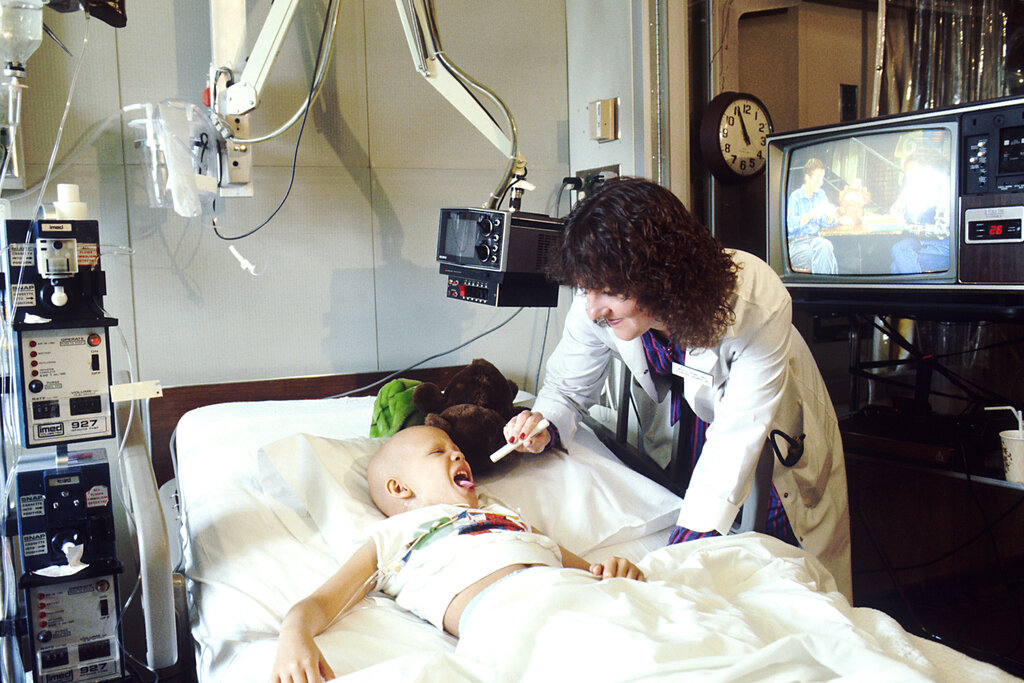
The Four Dimensions of Well-being
HRQoL isn't a single score or measurement. It's a broad concept that covers several key areas of a person's life. Think of it as a lens with four different filters, each showing a unique part of the patient's experience. To get a complete picture, you need to look through all of them.
1. Physical Dimension This is the most obvious aspect. It covers everything related to the body. For a young person with cancer, this includes symptoms from the disease itself, like pain or weakness, as well as side effects from treatment, such as nausea, hair loss, and extreme tiredness. It asks: How is their body feeling and functioning?
Can they run around at recess? Do they have the energy to get through a school day? Are they in pain? These are all questions about physical quality of life.
2. Psychological Dimension A cancer diagnosis is emotionally and mentally overwhelming for anyone, but especially for a child or teen. This dimension includes their feelings, thoughts, and overall mental state. It covers anxiety about treatments, fear of the future, sadness about their situation, and changes in self-esteem or body image. It asks: How are they coping emotionally?
3. Social Dimension Life doesn't stop during treatment, but it changes drastically. The social dimension looks at a young person's relationships and ability to interact with others. Long hospital stays can mean missing school, parties, and time with friends. They might feel isolated or like their peers can't understand what they're going through. This also includes the impact on family dynamics. It asks: Are they able to maintain their important relationships?
4. Spiritual Dimension This dimension is less about organized religion and more about a person's sense of meaning, purpose, and hope. Facing a serious illness often leads to big questions about life and fairness. For a young person, this might involve struggling to find hope, feeling a loss of control, or questioning their beliefs. It asks: What gives them strength and a sense of purpose?
A Complete View of Health
By considering all four dimensions, healthcare teams can get a full picture of how cancer and its treatment are affecting a young patient. This holistic view is crucial. It helps guide conversations, manage symptoms more effectively, and provide support that goes beyond just medical procedures.
Ultimately, the goal of treatment is not just to survive, but to thrive. Measuring and prioritizing Health-Related Quality of Life ensures that the focus remains on the child's overall well-being, helping them to live the best life possible during and after treatment.