Pakistan's Foreign Policy Dynamics
Foundations of Pakistan's Foreign Policy
Jinnah's Vision
From its very beginning, Pakistan's approach to the world was shaped by its founder, Muhammad Ali Jinnah. He envisioned a nation that would be a force for peace and goodwill. His guiding philosophy was straightforward: friendship with all, malice toward none. This wasn't just a hopeful sentiment; it was a strategic choice for a new country finding its place on the global stage.

Jinnah emphasized that Pakistan had no aggressive designs on any other country. The priority was internal development and securing the nation's sovereignty and territorial integrity. He believed in the principles of honesty and fair play in international dealings, advocating for a foreign policy built on mutual respect and non-interference in the internal affairs of other nations. This foundation aimed to ensure Pakistan could grow and thrive without getting entangled in unnecessary conflicts.
Our foreign policy is one of friendliness and goodwill towards all the nations of the world. We do not cherish aggressive designs against any country or nation.
Constitutional Directives
Jinnah's ideals were not left to memory; they were woven into the country's legal fabric. The Constitution of Pakistan provides a clear framework for its foreign policy. It directs the state to foster friendly relations with all countries, especially Muslim nations, and to support the common interests of peoples across Asia, Africa, and Latin America.
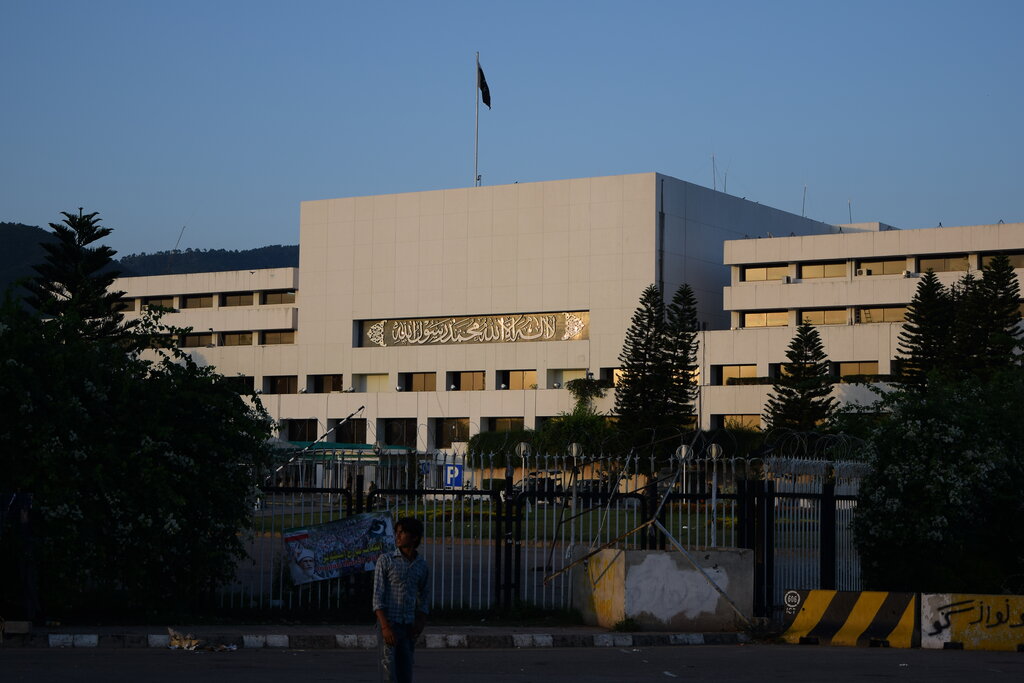
Specifically, Article 40 of the Constitution is the cornerstone of foreign policy. It commits Pakistan to several key principles:
- Preserving and strengthening fraternal relations among Muslim countries based on Islamic unity.
- Supporting the common interests of the peoples of Asia, Africa, and Latin America.
- Promoting international peace and security.
- Encouraging the settlement of international disputes by peaceful means.
These directives ensure that the nation's diplomatic efforts are guided by a commitment to global peace, cooperation, and respect for international law.
Sovereignty
noun
The supreme authority of a state to govern itself or another state, without any external interference.
The Early Years
Pakistan was born into a world divided by the Cold War. The new nation faced immense challenges, including establishing its borders, managing a massive refugee crisis, and building a stable government. These immediate pressures heavily influenced its early foreign policy decisions.
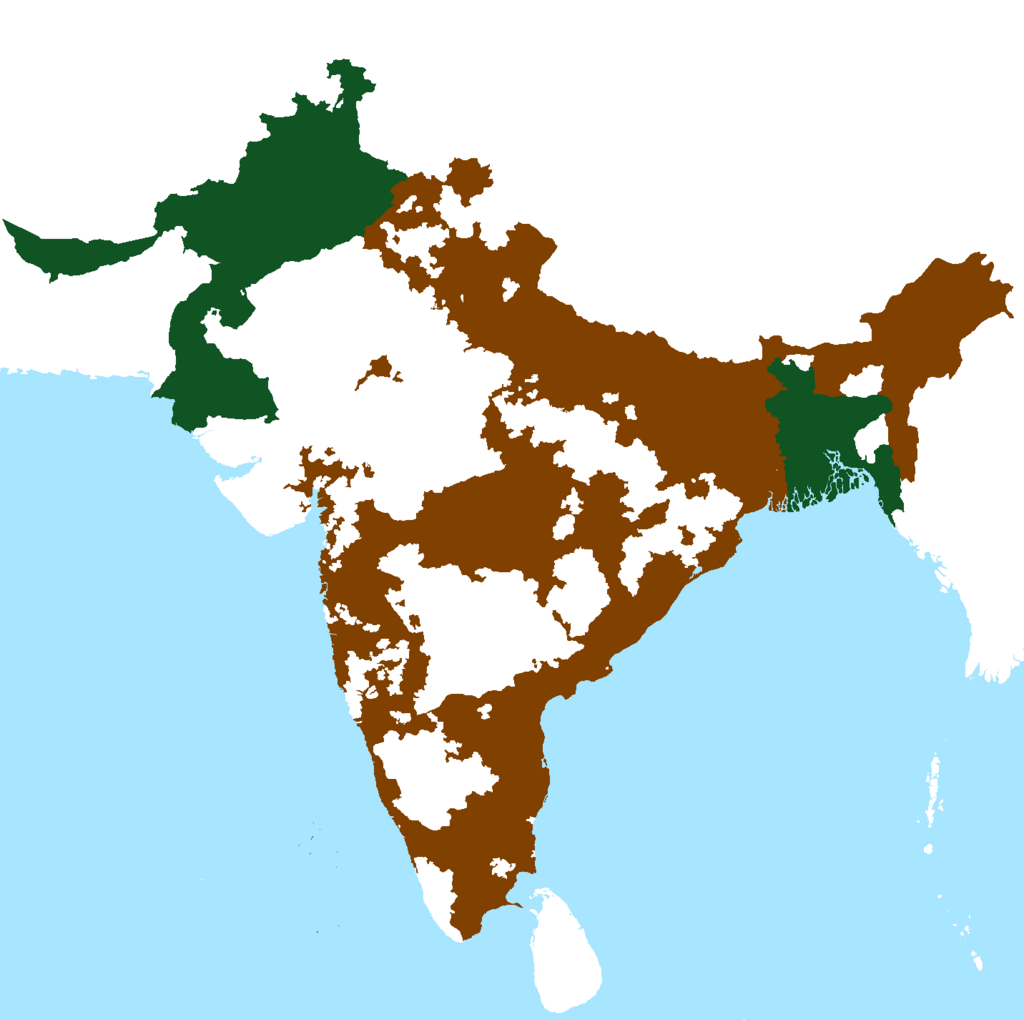
To address its security concerns and need for economic aid, Pakistan chose to align with the Western Bloc, led by the United States. This was a pragmatic decision aimed at safeguarding its independence. This alignment led Pakistan to join two major defense pacts: the Southeast Asia Treaty Organization (SEATO) in 1954 and the Baghdad Pact (later renamed the Central Treaty Organization, or CENTO) in 1955.
These alliances provided a security umbrella and crucial financial assistance, but they also firmly placed Pakistan in a specific geopolitical camp. This decision to forgo non-alignment set the course for Pakistan's international relationships for decades to come, defining its friends and adversaries in the charged atmosphere of the Cold War.
Now, let's test your knowledge on the foundations of Pakistan's foreign policy.
What was Muhammad Ali Jinnah's guiding philosophy for Pakistan's foreign policy?
Which article in the Constitution of Pakistan is described as the cornerstone of its foreign policy?