Orthodox Hesychasm Explained
Introduction to Hesychasm
The Path of Stillness
In a world full of noise, many spiritual traditions seek silence. Within Eastern Orthodox Christianity, this quest for quiet has a name and a rich history. It’s a path of deep inner work, aimed at stilling the mind to experience God’s presence more directly.
Hesychasm
noun
A contemplative prayer tradition in the Eastern Orthodox Church focused on achieving divine quietness (hesychia) through the practice of uninterrupted prayer.
This tradition is not just about finding a quiet room. It's about cultivating an inner stillness. The name itself comes from a Greek word that reveals its core purpose.
stillness, rest, quiet, silence
The goal of a practitioner, known as a hesychast, is to attain hesychia. This is a state of profound tranquility where the constant chatter of internal thoughts ceases, allowing for a deeper awareness of God. It's a return to a state of restful alertness, where one can simply be present.
Monastic Roots
Hesychasm didn't appear overnight. Its roots stretch back to the early Christian hermits of the Egyptian desert, often called the Desert Fathers and Mothers. These men and women retreated from the bustling cities of the Roman Empire in the 3rd and 4th centuries to pursue a life of simplicity and prayer in solitude.
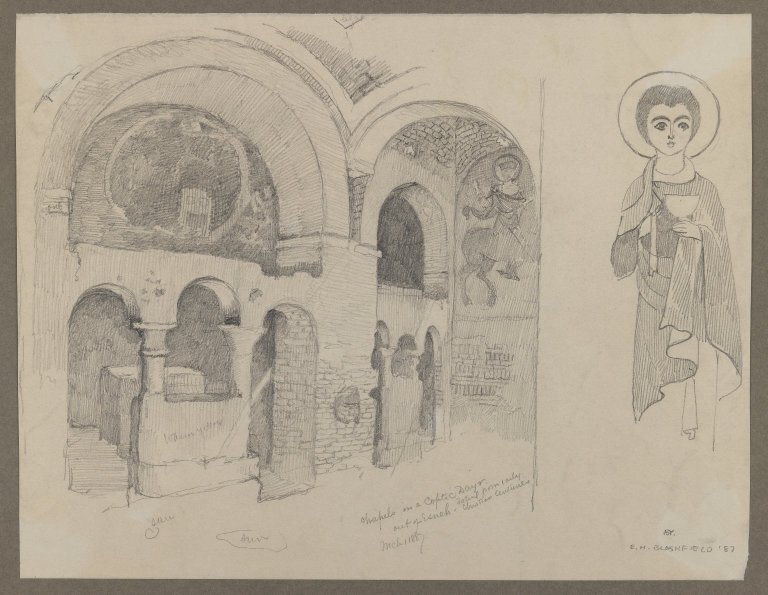
This desert tradition heavily influenced the development of monasticism in the Byzantine Empire. Over centuries, these practices of prayer, asceticism, and contemplation were refined and systematized within monastic communities, particularly on Mount Athos in Greece. This is where Hesychasm as a distinct spiritual movement truly blossomed, becoming a cornerstone of Orthodox monastic life.
The Goal of Hesychasm
What is the ultimate aim of this stillness? The central objective of Hesychasm is to achieve theosis, or deification. This is the Orthodox concept of becoming united with God in His divine energies. It’s not about becoming God by nature, but about participating in His divine life through grace.
The hesychast seeks a direct, experiential knowledge of God, rather than a purely intellectual one.
This is a key aspect of Orthodox spirituality. Faith is not just a set of beliefs to be agreed with; it is a reality to be experienced. Hesychasm provides a pathway for that experience. By purifying the heart and stilling the mind through constant prayer and watchfulness, the practitioner hopes to see the “uncreated light” of God—the same light that the apostles witnessed at the Transfiguration of Jesus on Mount Tabor.
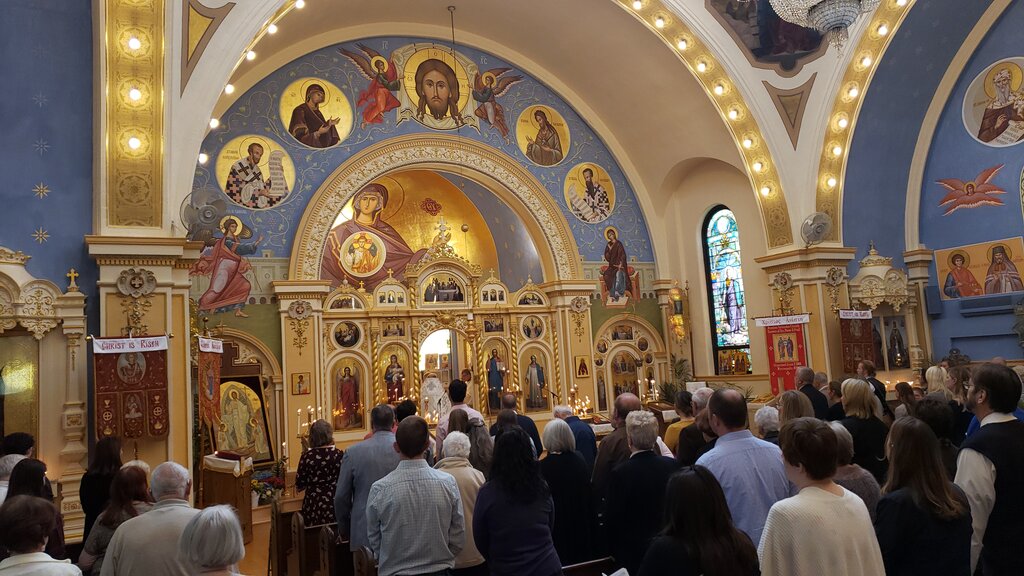
This makes Hesychasm a vital part of Eastern Orthodox spirituality. It represents the church's mystical heart, preserving a tradition that emphasizes a transformative, personal encounter with the divine. While most intensely practiced by monastics, its principles of inner prayer and watchfulness have influenced the spiritual lives of laypeople throughout the Orthodox world for centuries.
The practice of Hesychasm has its historical roots in which group?
What is the ultimate theological goal of Hesychasm?
The path of Hesychasm is one of discipline and devotion, a journey inward to find a sacred silence where God can be encountered.