Optimize Website Data for AI Search
Understanding Structured Data
Organizing the Internet's Library
Imagine walking into a massive library where all the books are just thrown into one giant pile. Finding a specific book about, say, baking sourdough bread would be nearly impossible. Now, picture that same library, but every book is neatly categorized, labeled with its topic, author, and a short summary. Finding your sourdough book would be a breeze.
This is the difference between unstructured and structured data on the internet. Much of the web is like that first library—a huge, messy pile of information. Structured data is a system of labels that organizes the information on a webpage, making it easy for search engines to understand what it's all about.
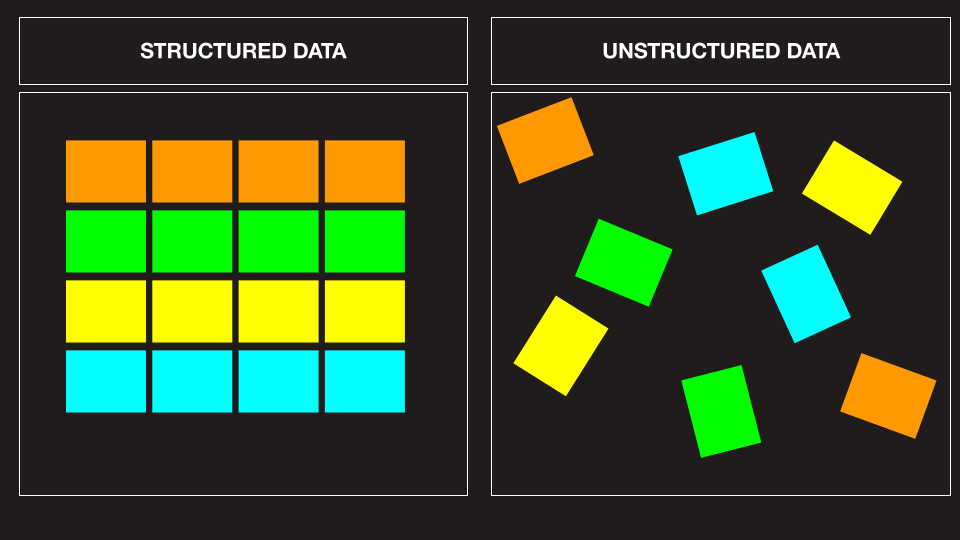
Essentially, structured data provides explicit clues about the meaning of your content. Instead of a search engine just seeing a block of text and numbers, it can identify specific elements like a recipe's cooking time, a product's price and rating, or the date of an event.
It’s the difference between a webpage saying "Sourdough bread, 45 minutes, 4.5 stars" and providing a clear, machine-readable label for each piece of information:
- Item: Sourdough Bread Recipe
- Cook Time: 45 minutes
- Rating: 4.5 stars
Why It Matters for Search
Search engines are constantly working to deliver the most accurate and useful results. When they understand the content on your page with certainty, they're more confident about showing it to users. By organizing your site’s information, structured data makes you a more reliable source in the eyes of an algorithm.
This is especially critical as search evolves to be more conversational and AI-driven. AI assistants and new search features need to pull precise answers, not just links to websites. Structured data feeds them this information directly.
Structured data (Schema.org markup) has evolved from a "nice-to-have" SEO enhancement to a crucial component for AI visibility.
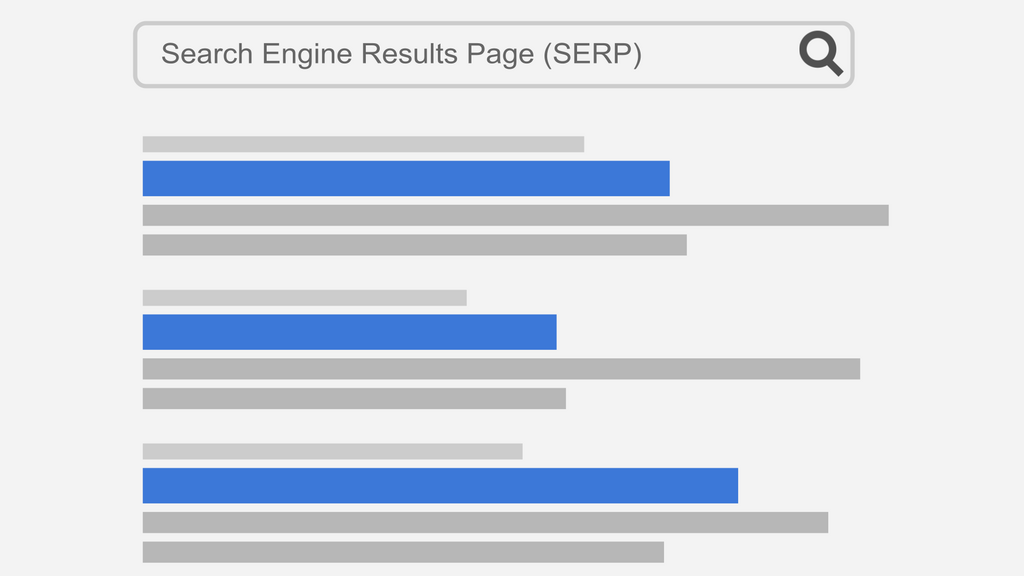
A direct benefit of this clarity is better visibility. When a search engine understands your page contains a recipe, it might display it in a special recipe carousel. If it knows you have an event, it might show the date and time directly in the search results. These enhanced listings, often called "rich results," stand out and can significantly increase clicks to your site.
Improving Understanding
Ultimately, structured data removes ambiguity. It translates your human-readable content into a format that search engines can process flawlessly. This reduces the chance of misinterpretation.
For example, if your page lists the number "10," structured data can tell a search engine if that means:
- A product price ($10)
- A size (10 inches)
- An address (10 Main Street)
- A step in a list (Step 10)
This level of detail ensures that your page shows up for the right searches. When a user is looking for a product that costs $10, your page is more likely to appear if the search engine knows for a fact that you're listing a price, not just a random number.
By clearly labeling your content, you help search engines match your website with users who are looking for exactly what you offer.
Ready to see what you've learned about structured data?
What is the primary purpose of structured data?
Enhanced listings in search results, like a product's rating or an event's date appearing directly under the page title, are known as:
By adding this layer of organization, you’re not just cleaning up your own data—you’re contributing to a more organized, intelligent, and useful web for everyone.