Operating Systems Essentials
Introduction to Operating Systems
The Computer's Conductor
Think of a computer's hardware—the processor, memory, and storage drives—as a talented orchestra. Each instrument can play beautiful music, but without a conductor, all you'd hear is noise. An operating system, or OS, is that conductor. It's the core software that directs all the hardware and software, ensuring they work together harmoniously.
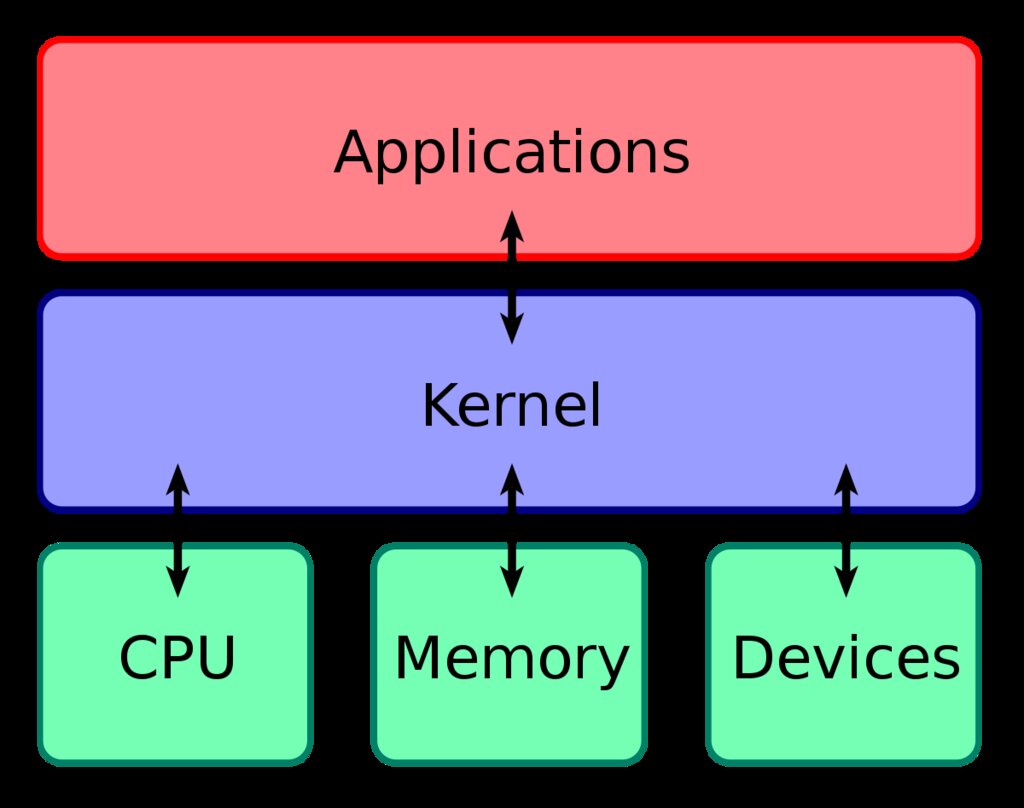
An Operating System (OS) is a system software that manages computer hardware, software resources, and provides common services for computer programs.
At its heart, the OS acts as a bridge. It connects you and your applications to the physical components of the computer. Without it, you'd need to manually tell the processor what to do and where to find information in memory, an impossibly complex task. The OS handles all that complexity behind the scenes, making the computer a useful tool instead of just a box of electronics.
The Five Core Jobs
To keep everything running smoothly, an operating system juggles five main responsibilities. Each one is critical for a functioning computer.
1. Process Management A running application is called a process. If you have a web browser, a music player, and a word processor open, you have at least three processes running. The OS is like an expert multi-tasker, deciding how to share the computer's processor (CPU) time among all these different processes. It ensures each one gets a turn to run without hogging all the resources, making it feel like everything is happening at once.
2. Memory Management Every process needs a place to work, and that place is the computer's memory (RAM). The OS acts like a meticulous librarian, allocating a specific section of memory to each application. It ensures that one program can't accidentally access or overwrite the memory being used by another, which would cause crashes. When you close an application, the OS reclaims that memory, making it available for the next task.
3. File System Management The OS is responsible for organizing the trillions of bits of data on your hard drive or SSD into a structure you can understand: files and folders. It keeps track of where every file is stored, who has permission to access it, and how to read or write data to it. When you save a document, you're not talking to the hard drive directly; you're asking the OS to do it for you.
4. Device Management Your computer has many parts, from the keyboard and mouse to the printer and Wi-Fi card. The OS manages the communication between your software and all this hardware. It uses special programs called device drivers to translate the general commands from your applications (like "print this page") into the specific instructions that a particular piece of hardware understands. This way, application developers don't need to know how every single printer in the world works.
5. Security The operating system is your computer's first line of defense. It controls who can access the system and what they can do. By requiring user accounts and passwords, it prevents unauthorized access. It also sets permissions for files and processes, stopping a rogue application from deleting your important documents or interfering with other programs. This separation and control are fundamental to keeping your data safe.
Ready to check your understanding? Let's see how these concepts fit together.
Using the text's analogy, what role does the operating system play in a computer?
What is the primary function of memory management by the OS?
By managing these five areas, the operating system creates a stable, secure, and usable environment. It works silently in the background, allowing you to focus on your tasks without worrying about the complex inner workings of the machine.