Operating System Essentials
Introduction to Operating Systems
The Computer's Manager
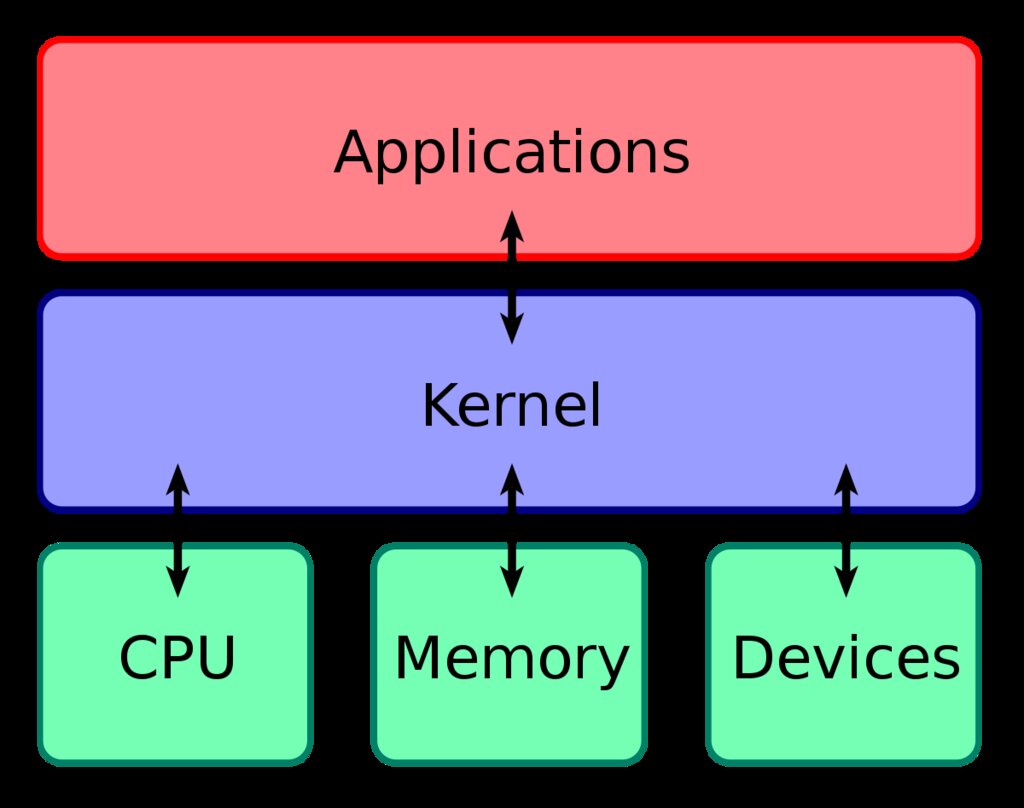
At its core, an operating system (OS) is the master software that manages all the hardware and software on a computer. Think of it as a helpful translator. Your computer's hardware, like the processor and memory, speaks a complex language of ones and zeros. You and the applications you use, like a web browser or a game, speak a much higher-level language. The OS sits in the middle, translating requests from your applications into instructions the hardware can understand.
Without an operating system, every application developer would have to write code to directly control the processor, manage memory, and talk to every single piece of hardware. It would be incredibly complicated and inefficient. The OS provides a stable, consistent platform for applications to run on, handling all the messy, low-level details.
At its core, an operating system (OS) is the software that manages computer hardware and software resources, and provides common services for computer programs.
The Four Main Jobs
An operating system has many responsibilities, but they can be grouped into four primary functions. It juggles all the programs you're running, manages the computer's memory, organizes all your files, and controls every device connected to your computer. Let's look at each of these jobs.
1. Process Management: When you have multiple applications open, like a music player, a word processor, and a web browser, your computer's processor (CPU) can only truly do one thing at a time. The OS acts like a traffic cop, rapidly switching the CPU's attention between these different tasks, or processes. This happens so fast that it creates the illusion that everything is running simultaneously.
2. Memory Management: Your computer's short-term memory is called RAM. The OS is responsible for allocating portions of RAM to each application that needs it. When you close an application, the OS reclaims that memory so it can be used by another program. This prevents applications from interfering with each other's data and ensures that memory is used efficiently.
3. File System Management: Every file on your computer, from documents to photos, is organized and tracked by the OS. It manages where files are stored on your hard drive or SSD, how they are named, and who has permission to access them. The familiar system of folders (or directories) you use to organize your data is a key part of file system management.
4. Device Management: Your OS communicates with all the hardware connected to your computer. This includes input devices like your keyboard and mouse, output devices like your monitor and printer, and storage devices. It uses special pieces of software called drivers to translate general commands (like "print this page") into specific instructions that a particular piece of hardware can understand.
How We Interact
We communicate our intentions to the operating system through a user interface. There are two main types you'll encounter.
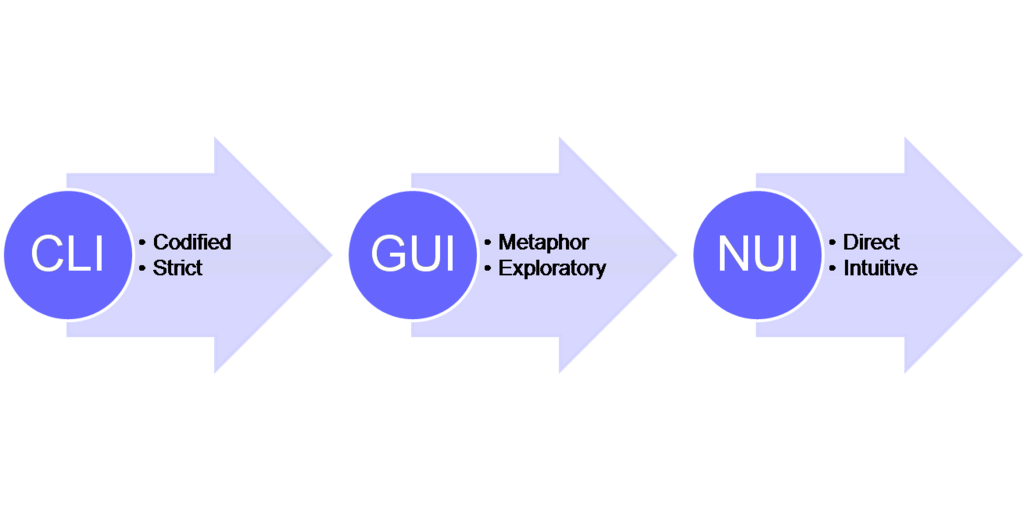
The Graphical User Interface (GUI) is what most people are familiar with. It uses visual elements like icons, windows, menus, and buttons. You interact with it using a mouse and keyboard to point, click, and drag. This visual, intuitive approach makes computers accessible to a wide audience.
The Command-Line Interface (CLI) is a text-based way of interacting with the OS. Instead of clicking icons, you type specific commands to tell the computer what to do. While it has a steeper learning curve, the CLI can be much faster and more powerful for certain tasks, which is why it's still heavily used by software developers and system administrators.
| Interface Type | How it Works | Best For |
|---|---|---|
| GUI (Graphical) | Pointing and clicking on visual icons, windows, and menus. | Everyday use, visual tasks, ease of learning. |
| CLI (Command-Line) | Typing text-based commands into a terminal. | Automation, programming, server administration. |
Together, these core functions and interfaces form the foundation of modern computing, making powerful technology usable for all of us.