Operating System Essentials
Introduction to Operating Systems
What Is an Operating System?
Think of an operating system (OS) as a translator and a manager for your computer. It’s the essential software that bridges the gap between you and the physical hardware. Without an OS, your computer would be a useless box of circuits and wires. You couldn't run apps, browse the web, or write an email.
The OS takes your commands, like clicking an icon or typing on the keyboard, and translates them into instructions the hardware can understand. It also manages all the computer's resources, ensuring that everything works together smoothly. It's the silent director behind the scenes of every digital interaction.
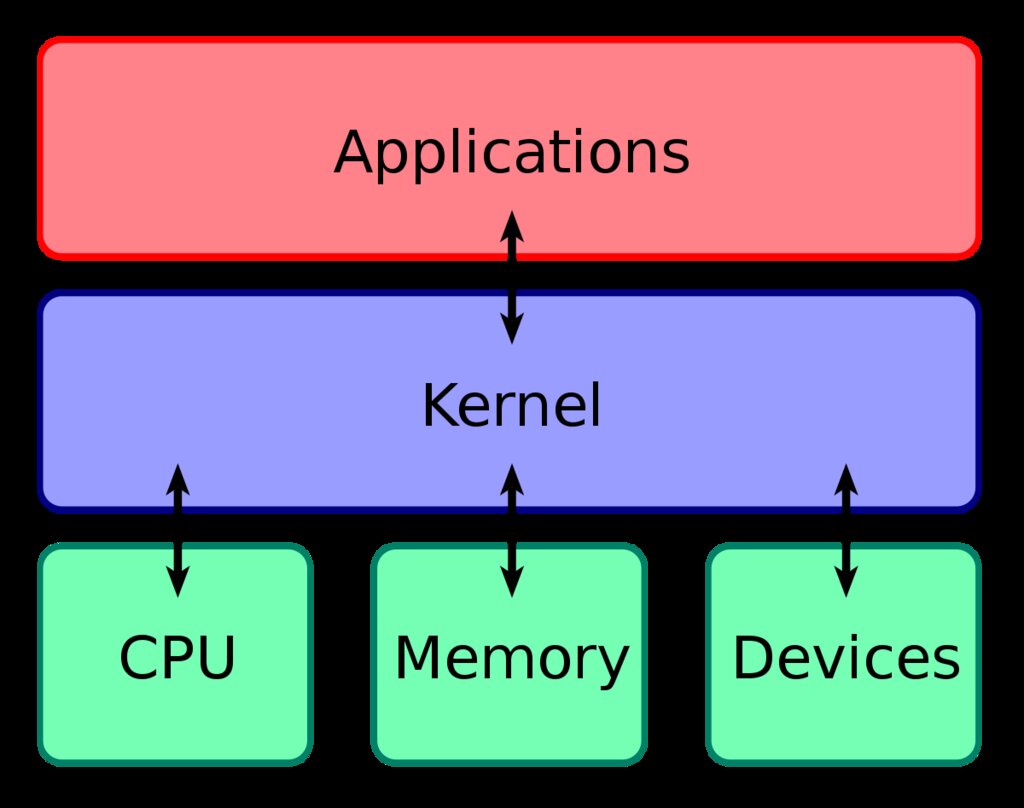
This core, often called the kernel, is the heart of the operating system. It handles the most fundamental tasks, making it possible for all other software to run.
The OS as a Manager
The primary job of an OS is to manage resources. It's like a busy restaurant manager juggling reservations, kitchen staff, and customer orders all at once. Three of its most critical management tasks are handling processes, memory, and user interaction.
Process Management: Every application you run, from a web browser to a music player, is a process. The OS is in charge of starting, stopping, and scheduling these processes. It decides which process gets to use the central processing unit (CPU) and for how long, ensuring that even with dozens of apps open, your computer remains responsive. This rapid switching between tasks is what makes multitasking possible.
Memory Management: Your computer's short-term memory is called RAM (Random Access Memory). The OS acts like a meticulous librarian for this memory. When you open a program, the OS finds an empty shelf (a block of RAM) and allocates it to that program. When you close the program, the OS clears that space, making it available for the next task. This prevents programs from interfering with each other's data.
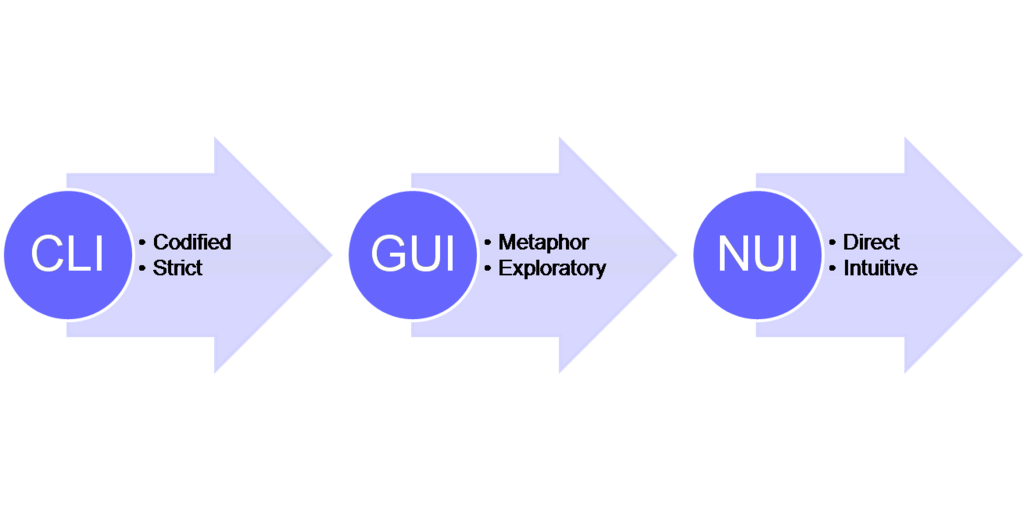
User Interface: The OS provides the tools for you to interact with the machine. Early computers used command-line interfaces (CLIs), where users had to type specific text commands to get anything done. Today, most operating systems use a graphical user interface (GUI), which relies on visual elements like icons, windows, and menus. This makes computers much more intuitive and accessible.
A Brief History
The first computers didn't have operating systems. Programmers had to manually input instructions using punch cards or switches, a slow and painstaking process. Each program had to include code to control the basic hardware itself.
In the 1950s and 60s, batch processing systems emerged. These early forms of an OS could run a series of jobs, or
batches,
without human intervention, which was a huge leap in efficiency.
Time-sharing operating systems followed, allowing multiple users to interact with a single powerful computer simultaneously. This paved the way for the personal computers that arrived in the 1970s and 80s, bringing operating systems like MS-DOS and the original Mac OS into homes and offices. These systems made computing personal and accessible.
Today, operating systems are everywhere, from the smartphones in our pockets (like iOS and Android) to the massive servers that power the internet (often running Linux). They have become more complex, powerful, and essential than ever, managing everything from touchscreens and voice commands to complex networks and cloud services.
Let's test your knowledge on these fundamental concepts.
What is the primary role of an operating system in a computer?
The core of the operating system that handles the most fundamental tasks is called the ______.
The operating system is the foundation of modern computing. It turns a complex piece of hardware into a useful tool, managing resources and providing the platform on which all other software is built.