Odoo 14 Module Development with Docker Compose
Odoo 14 Overview
Meet Odoo
Odoo is a suite of business management software tools. Think of it like a Swiss Army knife for a company. Instead of having separate tools for sales, inventory, accounting, and customer support, Odoo brings them all together in one place. This type of all-in-one system is often called an ERP.
ERP
noun
Stands for Enterprise Resource Planning. It's a type of software that organizations use to manage day-to-day business activities such as accounting, procurement, project management, and supply chain operations.
Odoo is open-source, which means its source code is available for anyone to inspect, modify, and enhance. This openness is a key reason it's so flexible. A global community of developers contributes to its improvement, creating a powerful and constantly evolving platform.
A Tour of the Core Features
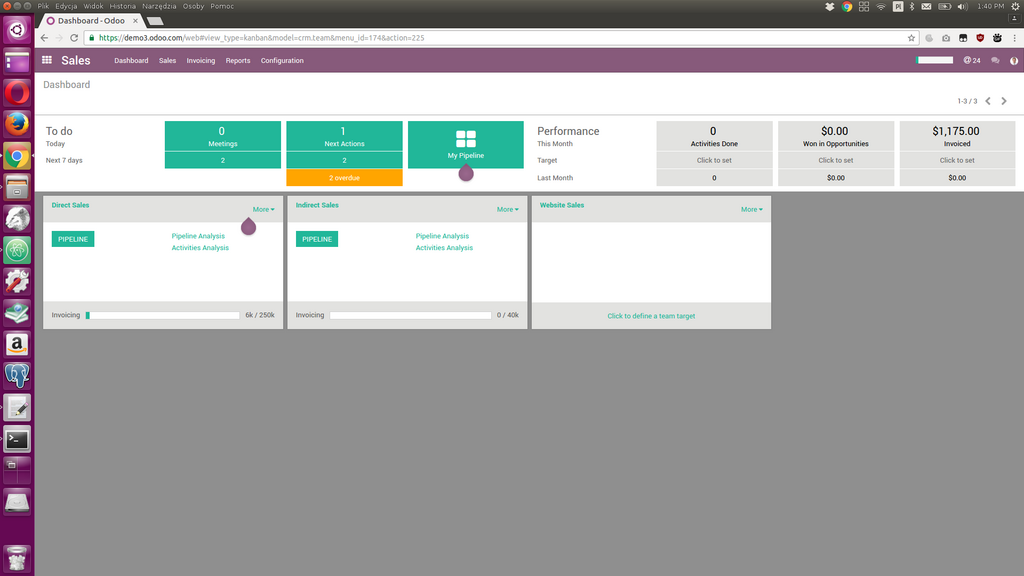
Out of the box, Odoo covers the essential functions most businesses need to operate. It handles everything from tracking customer interactions to managing warehouse stock. The main areas include:
- CRM (Customer Relationship Management): Manages leads, opportunities, and all communication with customers.
- Sales: Creates quotes and sales orders, turning prospects into paying customers.
- Inventory: Tracks products, manages stock levels, and handles shipments.
- Accounting: Takes care of invoicing, payments, and financial reporting.
These core functionalities work together seamlessly. When a sale is made, the inventory is automatically updated, and an invoice is generated in accounting. This integration saves time and reduces errors.
The Power of Modules
Odoo's real strength lies in its modular architecture. You can think of it like a set of LEGO blocks. The core system is the baseplate, and each business function—like Sales, Inventory, or HR—is a separate block, or module, that you can add on.
Odoo’s modular structure allows businesses to implement only the features they need, making it both flexible and scalable.
This design means you don't have to install a massive, complicated system with features you'll never use. A small business might start with just the Sales and Accounting modules. As it grows, it can add modules for Manufacturing, Project Management, or eCommerce. Each module integrates perfectly with the others, creating a custom ERP system tailored to the company's specific needs.
This modularity is also what makes Odoo so powerful for developers. Since each piece is a self-contained module, you can create your own custom modules to add new features or modify existing ones without breaking the core system. This sets the stage for building powerful, tailored business applications.
Ready to check your understanding?
What is the best description of Odoo?
What is the main benefit of Odoo's modular architecture?
Understanding Odoo's core functions and modular design is the first step toward customizing it to solve unique business challenges.