Nutrient-Rich Fruits and Vegetables
Nutritional Basics
The Building Blocks in Your Food
Every time you eat, you're fueling your body with nutrients. Think of these nutrients as the essential materials your body needs to function, grow, and repair itself. They fall into two main categories: macronutrients and micronutrients.
Macronutrients are the big three: carbohydrates, proteins, and fats. Your body needs them in large amounts. Micronutrients are vitamins and minerals, required in smaller quantities but just as crucial for your health.
Fruits and vegetables are packed with both, making them a cornerstone of a healthy diet.
Macronutrients in Produce
While fruits and vegetables are famous for their vitamins, they also provide the macronutrients your body uses for energy and structure.
Carbohydrates are your body's primary fuel source. Fruits are rich in natural sugars like fructose, which provide quick energy. This is why an apple or banana can be a great pre-workout snack. Vegetables, especially starchy ones like potatoes and corn, offer complex carbohydrates that release energy more slowly.
Proteins are essential for building and repairing tissues, from muscles to skin. While produce generally isn't as high in protein as meat or legumes, some vegetables contribute to your daily intake. Think of peas, spinach, and broccoli.
Fats are vital for storing energy, supporting cell growth, and producing important hormones. Most fruits and vegetables are naturally low in fat, but some are excellent sources of healthy fats. Avocados and olives are prime examples.
Micronutrients The Tiny Powerhouses
If macronutrients are the fuel, micronutrients are the spark plugs. Your body needs them in smaller amounts to unlock energy and ensure everything runs smoothly. Fruits and vegetables are some of the most reliable sources of these essential vitamins and minerals.
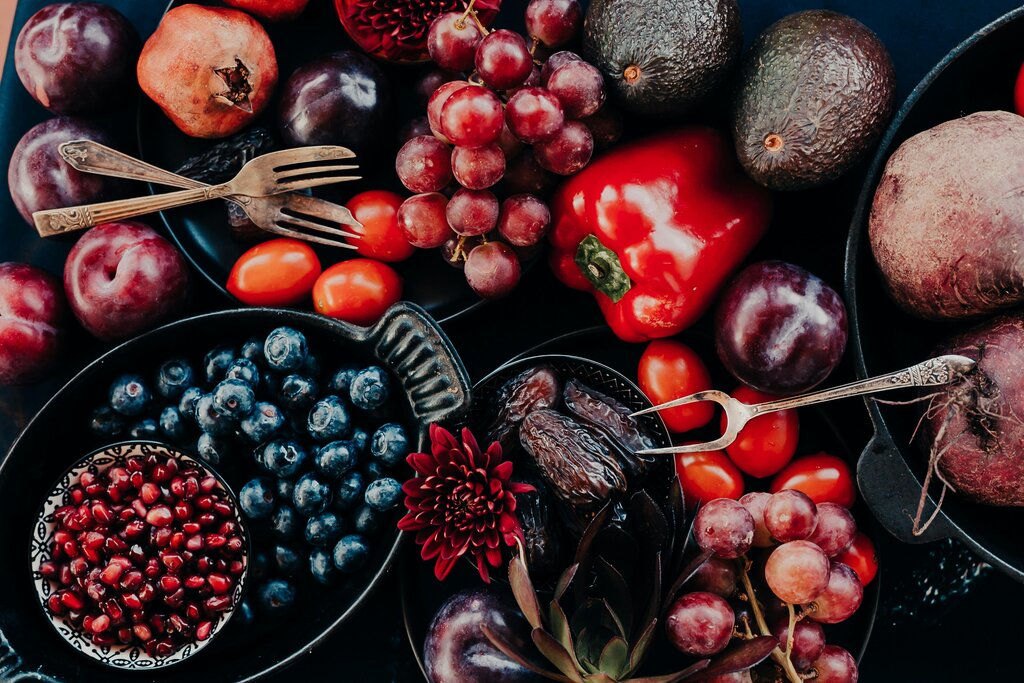
Vitamins and minerals support everything from your immune system to bone health. Eating a colorful assortment of produce helps you get a wide range of these nutrients.
| Nutrient | Key Role | Found In |
|---|---|---|
| Vitamin C | Boosts immune system | Oranges, strawberries, bell peppers |
| Vitamin A | Supports vision and skin | Carrots, sweet potatoes, spinach |
| Potassium | Regulates blood pressure | Bananas, potatoes, tomatoes |
| Iron | Carries oxygen in the blood | Spinach, lentils, kale |
Why Fiber Matters
Dietary fiber is a unique type of carbohydrate found in plant foods. Unlike other carbs, your body can't digest it. So, why is it so important?
Fiber
noun
A type of carbohydrate that the body can't digest, found in fruits, vegetables, and whole grains. It passes through the digestive system largely intact.
Fiber plays a few key roles. It adds bulk to your stool, which helps prevent constipation and keeps your digestive system regular. It also acts as a food source for the good bacteria in your gut.
Furthermore, fiber can help you feel full and satisfied after a meal, which can aid in maintaining a healthy weight. It also helps slow the absorption of sugar, preventing sharp spikes in blood sugar levels.
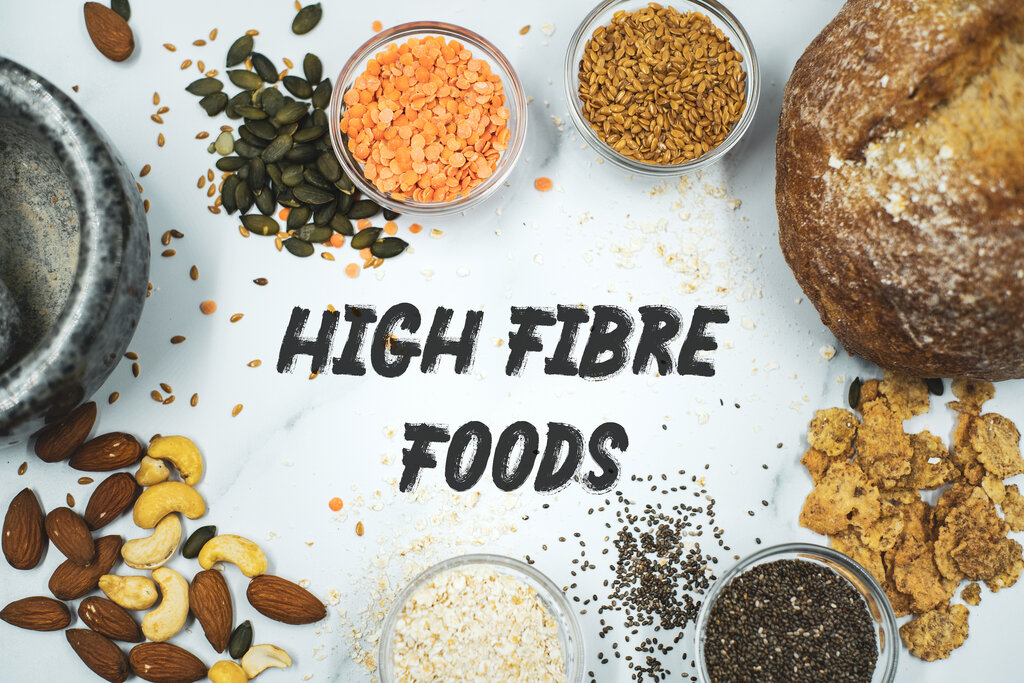
By eating a diet rich in fruits and vegetables, you naturally increase your intake of these nutrients. This simple habit is one of the most effective ways to support your long-term health, providing your body with the fuel, building blocks, and protective compounds it needs to thrive.