No-Code Low-Code API Integration
Introduction to No-Code and Low-Code Platforms
Building Without Code
Traditionally, creating a website, an app, or an automated process required writing code. You needed to be a software developer or hire one. No-code and low-code platforms have changed that. They offer a visual way to build software, making development accessible to almost anyone.
No-Code
adjective
A type of software development platform that allows users to create applications using graphical user interfaces and pre-built components, instead of writing traditional code.
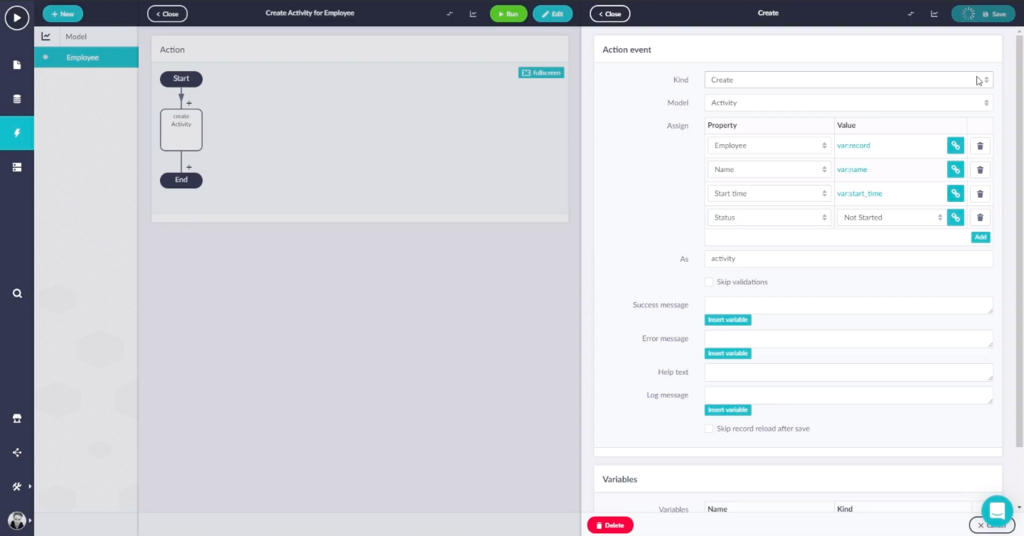
Think of it like building with digital LEGOs. Instead of writing instructions line-by-line, you drag and drop pre-built blocks of functionality to create what you need. These platforms are designed for people with no programming background, like marketers, project managers, or entrepreneurs who want to quickly test an idea.
No-code platforms enable non-technical users, such as marketers or administrators, to create automations using drag-and-drop interfaces, eliminating the need for coding skills.
Low-code platforms are a step up from no-code. They also use a visual, drag-and-drop approach, but they allow for more customization by letting you add your own code snippets. This makes them a great tool for developers who want to build applications faster, or for people with some technical skills who need more flexibility than a pure no-code platform can offer.
| Feature | No-Code | Low-Code |
|---|---|---|
| Target User | Non-technical users (business owners, marketers) | Developers or technical users |
| Skills Needed | None | Basic coding knowledge helpful |
| Flexibility | Limited to platform's features | More customizable with code |
| Speed | Very fast | Fast, but customization takes time |
Advantages and Limitations
The biggest advantage of these platforms is speed. What might take a development team months to build from scratch can often be assembled in days or even hours. This speed drastically reduces costs and allows people to launch ideas and Minimum Viable Products (MVPs) quickly.
They also democratize software development. You no longer need to be a coder to bring a digital idea to life. This empowers more people within a company to solve their own problems without relying on a central IT department.
However, there are trade-offs. No-code and low-code platforms come with limitations.
- Customization: You are confined to the tools and features the platform provides. If you need a highly specific or unique function, you might not be able to build it.
- Scalability: While many platforms can handle significant traffic, they may not be suitable for applications that need to support millions of users or perform extremely complex calculations.
- Vendor Lock-in: Moving your application from one platform to another is often difficult or impossible. You become dependent on the platform's pricing, features, and continued existence.
A Look at Popular Platforms
The no-code and low-code ecosystem is vast, with tools designed for different purposes. Here are a few common examples to know.
-
Automation Platforms: Tools like Zapier and Make connect different web apps to automate tasks. For example, you could create a workflow that automatically saves email attachments from Gmail to a Dropbox folder and then sends you a Slack notification.
-
Web App & Site Builders: Bubble allows you to build complex, interactive web applications like a social network or a marketplace without code. Webflow is more focused on building professional, content-rich websites with advanced design capabilities.
-
Databases & Spreadsheets: Airtable is a hybrid of a spreadsheet and a database. It's often used as the flexible backend to store and manage data for applications built on other no-code platforms.
Time to check what you've learned about the world of no-code and low-code.
What is the core principle behind how no-code and low-code platforms work?
Which statement best distinguishes low-code platforms from no-code platforms?
These platforms provide the foundation for building and automating without deep technical knowledge. Next, we'll explore how APIs act as the bridges that allow these tools to communicate and create even more powerful solutions.