No-Code Automation with Python and AI
Introduction to No-Code Automation
What is No-Code Automation?
Imagine you have a stack of new business cards. Your job is to manually enter the name, email, and company of each person into a spreadsheet. It's tedious, slow, and it's easy to make a typo. Now, what if you could teach a robot to do it for you, just by drawing a flowchart? That's the core idea behind no-code automation.
It's a way to make different software applications talk to each other and perform tasks automatically, all without writing a single line of code.
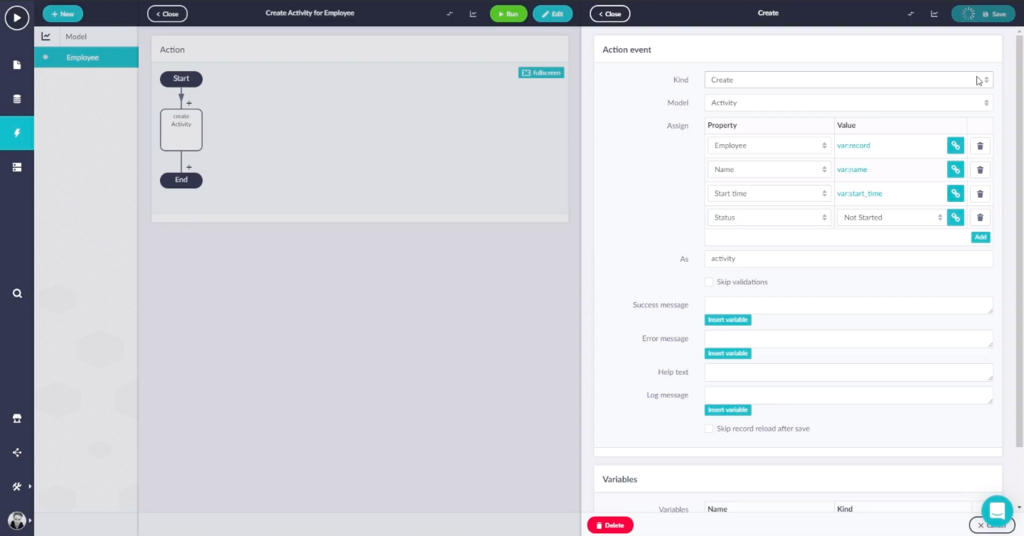
Instead of programming, you use visual, drag-and-drop interfaces. Think of it like building with digital LEGOs. You connect pre-built blocks that represent different actions—like "When I receive a new email" and "Add a row to my spreadsheet." These platforms are designed for anyone to use, whether you're in marketing, sales, or running your own business.
The Benefits of Automating Work
Automating tasks isn't just about convenience; it fundamentally changes how you work. The most immediate benefit is saving time. By handing off repetitive, manual jobs to a machine, you free up your day to focus on more creative and strategic work that requires human thinking.
Automation also drastically reduces human error. A computer will never have a typo or forget a step in a process. This leads to more reliable and consistent outcomes, whether you're processing orders or managing customer data.
Finally, it empowers people who aren't developers to build their own solutions. Instead of waiting for a busy IT department to build a tool for you, you can create your own custom workflow in minutes.
| Task | Manual Process (Before) | Automated Process (After) |
|---|---|---|
| New Customer Onboarding | Manually send welcome email, create folder, add to CRM | A new purchase automatically triggers all three tasks instantly. |
| Social Media Posting | Log into each platform to post an update | Write one update and schedule it to post everywhere automatically. |
| Data Entry | Copy information from a web form into a spreadsheet | New form submissions appear in the spreadsheet in real-time. |
Where It's Used
No-code automation can be applied to almost any digital task you do more than once. The possibilities are vast, but here are a few common examples to get you started.
Marketing: When someone subscribes to your newsletter, automatically add them to your email list and send them a welcome message.
Sales: If a potential client fills out a contact form on your website, instantly create a new lead in your customer relationship management (CRM) software and notify a sales representative.
Operations: When a client pays an invoice, automatically save a copy of the receipt to a specific folder in your cloud storage.
Each of these workflows follows a simple logic: a trigger (an event that starts the automation) and an action (the task that is performed). For example, receiving an email is a trigger, and saving its attachment is an action.
Several popular platforms, such as Zapier, Make, and n8n, provide the tools to build these kinds of automations. While they differ in features, they all share the same core goal: making automation accessible to everyone.
Ready to test your knowledge?
What is the fundamental principle of no-code automation?
In a workflow that automatically saves email attachments to a cloud storage folder, the act of receiving a new email is considered the what?
Now you have a solid grasp of what no-code automation is and why it's a powerful tool for streamlining your work.