NIST Cybersecurity Framework for Leaders
Introduction to NIST Cybersecurity Framework
A Common Language for Cybersecurity
Every organization, from a local bakery to a multinational bank, faces cybersecurity risks. But how do you manage a threat that's constantly changing? How do you even talk about it in a way that everyone, from the IT department to the executive board, understands? This is where the NIST Cybersecurity Framework (CSF) comes in.
Developed by the U.S. National Institute of Standards and Technology, the CSF isn't a rigid set of rules or a piece of software. It’s a voluntary guide, a set of best practices and recommendations designed to help any organization better understand, manage, and reduce its cybersecurity risks. Think of it as a common language that helps align security activities with the overall goals of the business.
The framework provides a structured, yet flexible, approach to cybersecurity, making it adaptable for businesses of all sizes and sectors.
The Core Components
The CSF is organized into a clear hierarchy that moves from high-level concepts to specific actions. This structure consists of three main parts: Functions, Categories, and Subcategories.
At the highest level are the five Functions. They are the pillars of a successful cybersecurity program, representing the entire lifecycle of risk management. They are: Identify, Protect, Detect, Respond, and Recover.
Each Function is broken down into Categories. These are cybersecurity outcomes that are closely tied to programmatic needs and specific activities. For example, within the Protect function, you'll find Categories like "Access Control" and "Data Security."
Finally, each Category is divided into Subcategories. These are the most granular level, providing specific outcomes and technical activities. A subcategory under "Access Control" might be something like, "Remote access is managed." Subcategories also point to existing standards and guidelines that provide the technical details on how to achieve the outcome.
Connecting Security to Business
The true strength of the NIST CSF is how it connects high-level business objectives with on-the-ground cybersecurity work. The hierarchical structure allows an organization to create a clear line of sight from its overall mission down to a specific security control.
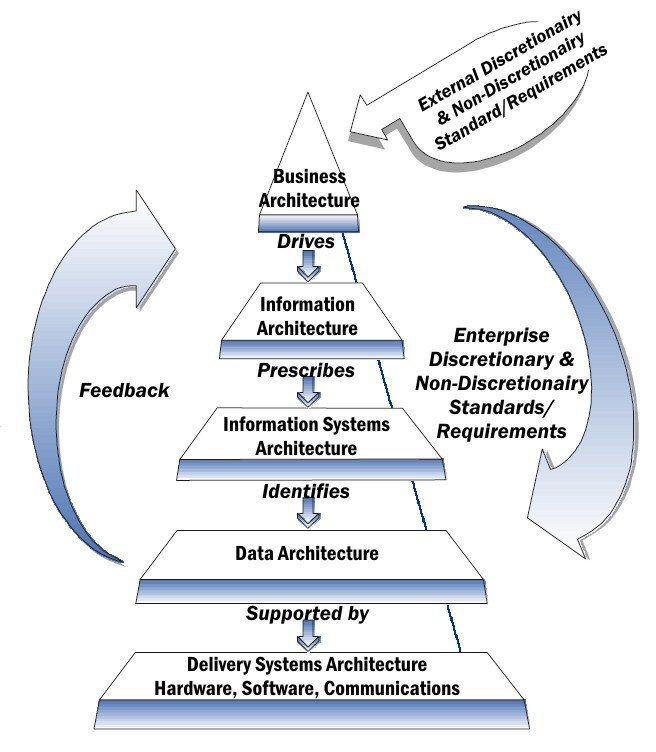
An executive might focus on the Functions to understand the organization's overall risk posture. A department manager might use the Categories to develop policies and procedures. An IT technician will work with the Subcategories to implement specific security controls.
This tiered approach ensures that everyone is speaking the same language. It helps translate the technical world of cybersecurity into the language of business risk, which is crucial for getting executive buy-in and appropriate funding. Because it's a framework, not a rigid standard, it can be adapted by any organization—whether it's in healthcare, finance, or manufacturing—to fit its unique needs, risks, and resources.
What is the primary purpose of the NIST Cybersecurity Framework?
Which of the following lists the five core Functions of the NIST Cybersecurity Framework?
By providing this common structure, the NIST CSF helps organizations build a more mature, risk-aware approach to protecting their digital assets.