Network Operating Systems Explained
Introduction to Network Operating Systems
The Network's Brain
Every computer has an operating system (OS) like Windows, macOS, or Linux. It manages the computer's memory, processes, and all of its software and hardware. But what about the network itself? What manages all the devices, users, and resources connected together?
That's the job of a Network Operating System, or NOS. A NOS is specialized software designed to run on a server or a network device like a router. Its main purpose is to manage network resources, allow users to share files and peripherals, and provide essential security services for the whole network.
Think of a NOS as the traffic cop and building manager for a computer network, directing data flow and controlling access to shared resources.
While a standard OS manages a single computer, a NOS is designed with the network in mind. It provides the tools and services necessary for multiple computers to communicate and work together efficiently and securely.
A Brief History
In the early days of computing, networks were simple. They were often peer-to-peer, meaning each computer was equal and could share files directly with any other computer. There was no central authority. This worked for small setups, but as organizations started connecting dozens or even hundreds of computers, this model became chaotic and insecure.
The need for a centralized management system led to the development of the client-server model. In this model, one or more powerful computers, called servers, provide services to other computers, called clients. This is where the Network Operating System became essential. The NOS runs on the server and manages the entire network, from user logins to file access.
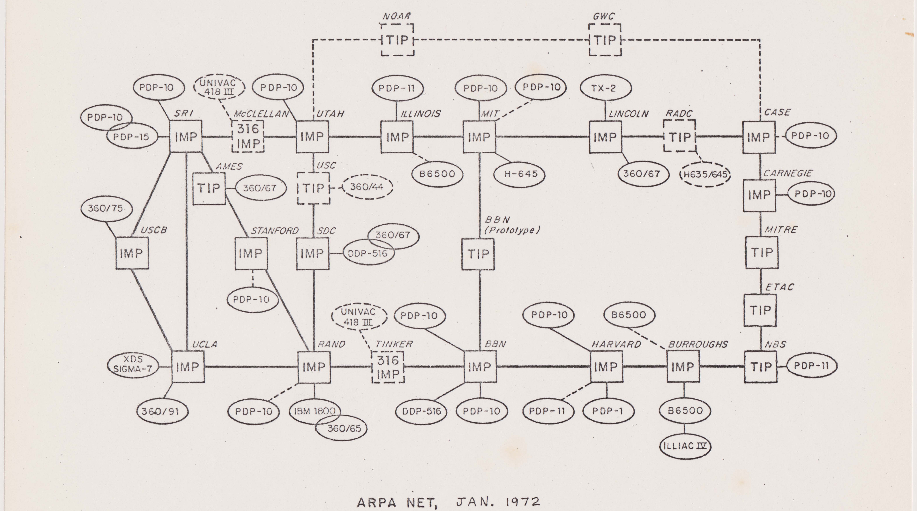
This shift allowed for much greater control, security, and efficiency. Instead of every computer managing its own access, the NOS could enforce rules for the entire network from one central point.
Core Functions
A Network Operating System juggles several critical tasks to keep the network running smoothly. Its responsibilities can be broken down into three main areas.
User Management: The NOS is responsible for creating and managing user accounts. It controls who can log in to the network and what they're allowed to do. An administrator can set permissions for each user, granting or denying access to specific files, folders, or applications. This ensures that sensitive information is only accessible to authorized individuals.
Resource Sharing: One of the main benefits of a network is sharing resources, and the NOS makes this possible. It manages shared access to files on the server, printers, scanners, and even applications. This prevents the need for every user to have their own printer or their own copy of every file, saving money and improving collaboration.
Security Enforcement: The NOS acts as the network's gatekeeper. It enforces security policies, authenticates users with passwords, and can encrypt data to protect it from unauthorized access. It also keeps logs of network activity, which can be useful for troubleshooting issues or investigating security breaches.
Common Examples
You can find Network Operating Systems in many different environments, from small offices to massive data centers. Two of the most common examples are Windows Server and Cisco IOS.
Windows Server is a family of server operating systems from Microsoft. It's widely used in corporate environments to manage user accounts, host websites, run applications, and manage shared files and printers. It provides a graphical user interface (GUI) that makes it relatively easy for administrators to manage complex networks.
Cisco IOS (Internetwork Operating System) is the software that powers the vast majority of Cisco's routers and network switches. Unlike Windows Server, it's a command-line-based OS designed specifically for managing network traffic. Its job is to route data packets to their correct destination as quickly and efficiently as possible.
| NOS Example | Primary Use | Interface |
|---|---|---|
| Windows Server | General server & network mgmt | Graphical (GUI) |
| Cisco IOS | Routers & switches (traffic mgmt) | Command-Line (CLI) |
Now, let's review the key concepts we've covered.
Ready to test your knowledge?
What is the primary function of a Network Operating System (NOS)?
Which of the following best describes the client-server model managed by a NOS?
Understanding the role of a Network Operating System is a key first step in learning about how computer networks are built, managed, and secured.