Navigating the PhD Application Marathon
Understanding Stress
What is Stress?
Stress is your body's way of responding to any kind of demand or threat. When you sense danger, whether it’s real or imagined, the body's defenses kick into high gear in a rapid, automatic process known as the “fight-or-flight” reaction. This is your body's alarm system.
Stress is a natural physiological and psychological reaction to demands or threats.
The source of this demand is called a stressor. Stressors can be one-time events, like an interview, or long-term challenges, like the entire PhD application process. Not all stress is bad, though. In small doses, it can help you perform under pressure and motivate you to do your best, like finishing an application just before the deadline. But when stressors don't let up, it can take a toll.
Your Body's Alarm System
When your brain perceives a threat, it triggers a cascade of hormones. A part of your brain called the hypothalamus signals your pituitary gland, which in turn tells your adrenal glands to release stress hormones, primarily adrenaline and cortisol. This system is known as the hypothalamic-pituitary-adrenal (HPA) axis.
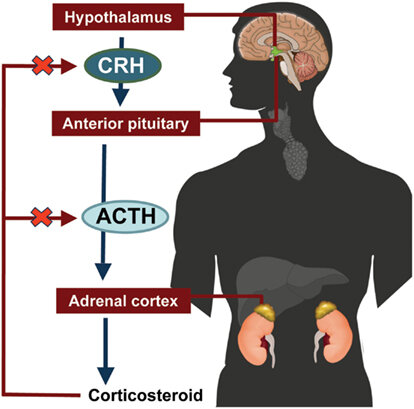
Adrenaline increases your heart rate, elevates your blood pressure, and boosts energy supplies. Cortisol, the primary stress hormone, increases sugars (glucose) in the bloodstream and enhances your brain's use of glucose. It also curbs functions that would be nonessential in a fight-or-flight situation, like your immune system and digestive system.
This response is brilliant for escaping immediate danger. But when you’re dealing with chronic stressors, like months of application deadlines and uncertainty, the alarm system can stay switched on. Over time, constant activation of this system can disrupt almost all your body's processes, putting you at increased risk for health problems.
PhD Application Stressors
The PhD application process is a marathon, not a sprint, and it's filled with unique stressors. It's not just one big exam; it's a long period of sustained effort and uncertainty. Recognizing these specific pressure points is the first step to managing them.
| Stressor | Description |
|---|---|
| Uncertainty | The outcome is unknown for months. You might not know where you'll be living or what you'll be doing in a year. |
| High Stakes | This feels like a major life decision that will define your career path, creating immense pressure to succeed. |
| Imposter Syndrome | Comparing yourself to other applicants and feeling like you're not good enough is very common. |
| Heavy Workload | Juggling essays, requesting recommendation letters, studying for exams (like the GRE), and maintaining your current studies or job is exhausting. |
| Financial Worries | Application fees, test fees, and the potential cost of relocating can all be significant sources of financial stress. |
| Fear of Rejection | The possibility of not getting into any programs can feel like a personal failure. |

Recognizing the Signs
Because stress affects your mind and body, its symptoms can be widespread and sometimes subtle. You might not even realize that your nagging headache or recent irritability is a sign of stress. Paying attention to these signals is crucial, because you can't address a problem you don't recognize.
Think of these symptoms as your body's check-engine light. They're not the problem itself, but they are a clear signal that something needs your attention.
Symptoms can be broken down into a few categories:
You might experience symptoms from one or all of these categories. The key is to notice when these feelings and behaviors are new or more intense than usual. This awareness is the foundation for managing stress, which we'll explore next.