Navigating Massachusetts General Laws
Codification and Hierarchy
From Session Law to General Law
When the Massachusetts legislature passes a law, it doesn't immediately appear in an organized legal code. Instead, it starts life as a Session Law, also known as an "Act" or "Resolve." These are published chronologically, in the order they are passed during a legislative session. Think of it like a diary of the legislature's activities for the year.
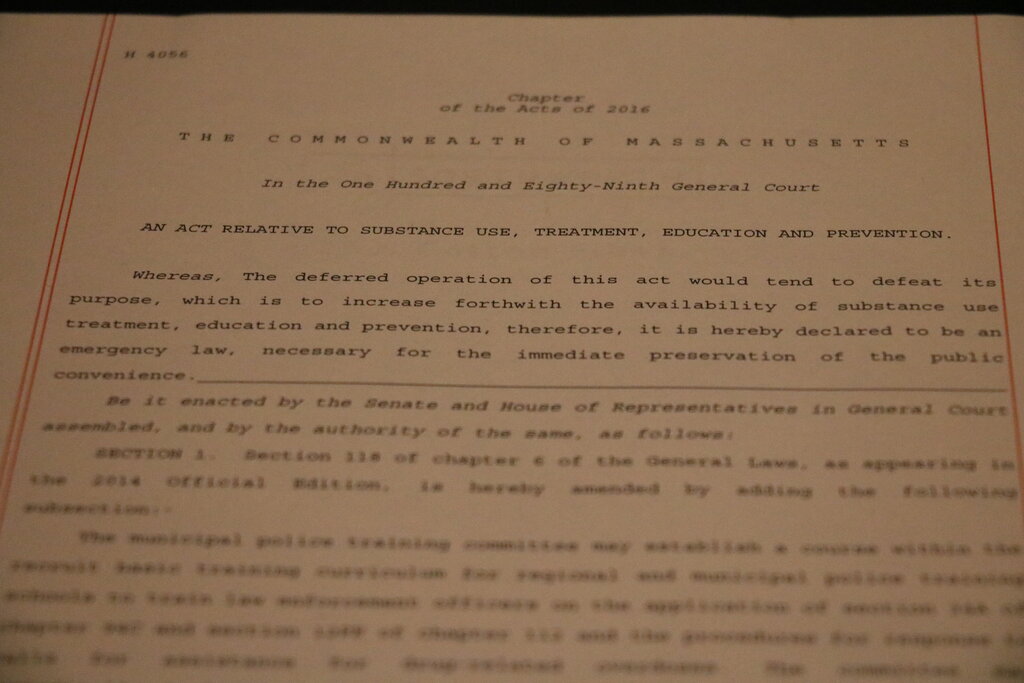
But a chronological list isn't very helpful if you want to find all the laws about a specific topic, like consumer protection or traffic violations. That's where codification comes in. Laws that are permanent and apply to everyone in the state are organized by subject into the Massachusetts General Laws, or MGL. This process turns a chronological jumble into a searchable, logical library.
The MGL's Grand Plan
The MGL is not just one giant book; it's a highly organized system. The entire body of law is first divided into five main parts, each covering a broad area of law.
| Part | Title | Description |
|---|---|---|
| I | Administration of the Government | Laws governing state and local government operations. |
| II | Real and Personal Property and Domestic Relations | Property rights, family law, wills, and estates. |
| III | Courts, Judicial Officers and Proceedings in Civil Cases | The structure of the courts and rules for civil lawsuits. |
| IV | Crimes, Punishments and Proceedings in Criminal Cases | Defines crimes and outlines criminal procedures. |
| V | The General Laws, and Their Effect | General provisions and technical rules about the MGL. |
This structure creates a clear hierarchy. Each Part is broken down into Titles, which group related subjects. Titles are then divided into Chapters, and Chapters are finally broken down into the individual laws, called Sections. It's like a filing cabinet: Part is the drawer, Title is the hanging folder, Chapter is the manila folder, and Section is the specific document you're looking for.
Reading the Signs
Lawyers, judges, and anyone researching the law need a standardized way to refer to a specific statute. This is done with a legal citation. A typical MGL citation looks like this:
M.G.L. c. 93A, § 9
Let's break that down.
- M.G.L. is the abbreviation for Massachusetts General Laws. It tells you which body of law you're in.
- c. stands for Chapter. This is the key organizational unit. In this case, we're looking at Chapter 93A, which deals with the regulation of business practices for consumers' protection.
- § is the section symbol. It points to the specific statute within the chapter. Here, it's Section 9.
So, "M.G.L. c. 93A, § 9" is the precise address for a single law within the vast MGL library.
Not All Laws Are General
Not every law passed by the legislature makes it into the MGL. We need to distinguish between two types of acts.
General Acts are laws that have a broad, permanent application to the public. These are the laws that are codified into the MGL.
Special Acts, on the other hand, are limited in scope. They might apply only to a specific town, a particular person, or for a temporary period. For example, a law authorizing the town of Plymouth to borrow money to repair its pier would be a Special Act. Since it doesn't apply to everyone in the state, it is not included in the MGL. It still exists as a Session Law, but it won't be found within the organized chapters of the General Laws.
What is the initial, chronologically published form of a law passed by the Massachusetts legislature called?
True or False: All laws passed by the Massachusetts legislature are codified into the Massachusetts General Laws (MGL).
This system of codification and citation creates a predictable, accessible structure for the laws that govern the Commonwealth.