Music Industry Creator Economy Shifts
Music Industry Overview
The Music Industry Machine
At its core, the music industry is built on two main pillars: recorded music and music publishing. Think of it this way: every song has two distinct copyrights. One is for the recording itself, the specific version you hear. The other is for the underlying composition—the melody and lyrics written by the songwriter.
Different players manage each of these copyrights, and understanding this split is key to seeing how the industry works. It’s a complex web of artists, companies, and distributors all working to bring music from an idea to your headphones.
This diagram shows the basic flow. The artist creates the work, and then different entities manage the different rights associated with it, ultimately delivering it to the listener and channeling the money back to the creators.
The Players and Their Roles
Let's break down who does what.
Artists and Songwriters are the creative force. They write and perform the music. Sometimes the artist is also the sole songwriter, but often they are different people or teams.
Record Labels are essentially investment banks for music recordings. Their job is to find talent, fund the recording process, and then market and distribute the final product. They own the master recording, that specific version of the song you hear. Major labels like Universal, Sony, and Warner have immense power, but there are thousands of smaller independent labels, too.
Music Publishers handle the other side of the copyright: the composition. They work on behalf of songwriters to license the music, ensuring the writer gets paid whenever their composition is used. This could be when another artist records a cover, when a song is used in a movie, or when it’s streamed online.
A record label manages the recording. A music publisher manages the song itself.
| Aspect | Record Label | Music Publisher |
|---|---|---|
| What they manage | The master recording (the “sound recording”) | The song itself (the “composition”) |
| Who they represent | Recording artists | Songwriters |
| Primary Asset | A specific recorded version of a song | The underlying melody and lyrics |
| How they earn | Sales, streaming, and licensing of the recording | Royalties from public performances, mechanical reproduction, and sync licenses |
Finally, Streaming Platforms like Spotify and Apple Music are the modern storefronts. They don’t own the music but license it from labels and publishers. They act as the primary intermediary between the music industry and the listener, controlling distribution and access in the digital age.
How the Money Flows
Before streaming took over, the industry's revenue streams were more straightforward. They were built on the idea of selling copies of music.
Royalty
noun
A payment made to the legal owner for the use of property, especially patents, copyrighted works, or franchises. In music, it's a payment to rights holders when their music is used.
The main traditional revenue sources were:
-
Physical Sales: This was the bedrock of the industry for decades. Consumers bought vinyl records, cassette tapes, and later, CDs. The label would manufacture and ship the product to retailers, and everyone would take a cut of the sale price.
-
Digital Downloads: The launch of iTunes in 2003 shifted the model from physical to digital ownership. People could buy individual songs or entire albums as digital files. This was a major change, but it still centered on the concept of a one-time purchase to own a copy of the music.
-
Performance Rights: This is money earned whenever a song is performed publicly. This includes plays on the radio (terrestrial and satellite), in a bar or restaurant, on a TV show, or at a concert. Organizations called Performance Rights Organizations (PROs), like ASCAP, BMI, and SESAC in the U.S., collect these royalties on behalf of publishers and songwriters and distribute them.
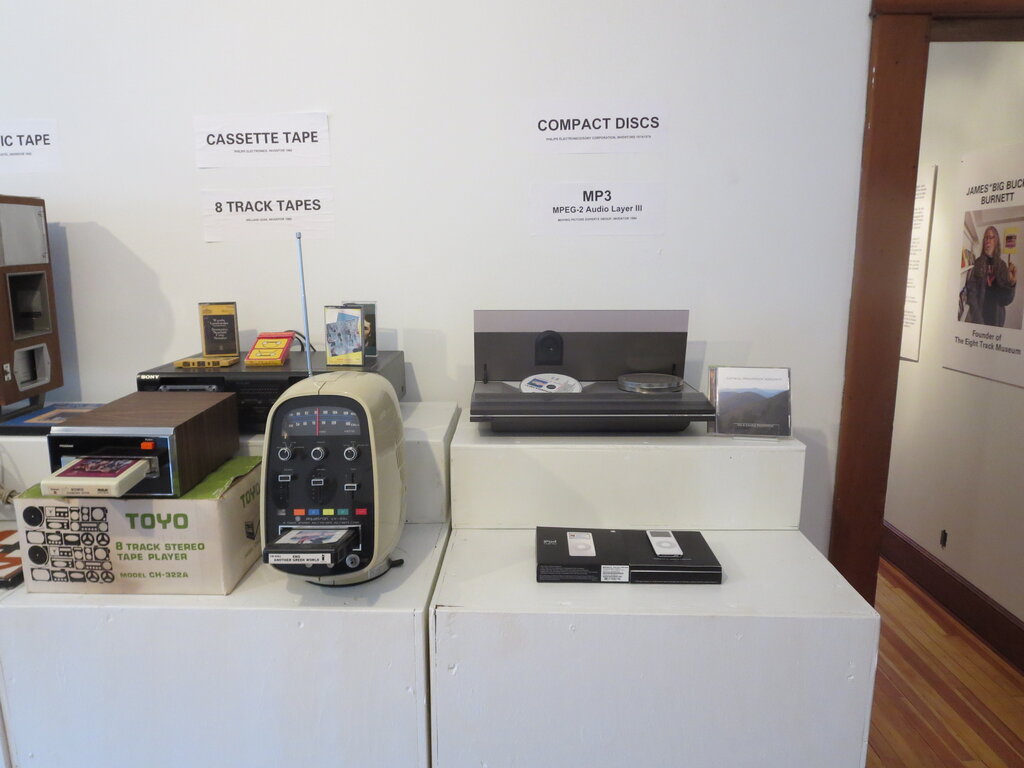
The rise of digital technology, especially streaming, completely upended this system. The shift from owning music to simply accessing it through a monthly subscription changed where the money comes from and how it's divided.
Technological changes in the music industry and the ways in which consumers culturally embrace these changes are important yet overlooked components of pop song history.
Physical sales and digital downloads, once the industry's titans, have shrunk dramatically. Streaming now dominates, creating a new, more complex financial landscape. Instead of a large, one-time payment from an album sale, artists and labels now receive fractions of a cent per stream. This fundamental change has forced every player in the industry to rethink their business model.
What are the two distinct copyrights that every song possesses?
Which entity is primarily responsible for funding the recording process and marketing the final product, while owning the master recording?