Motion Capture Filmmaking Essentials
Introduction to Motion Capture
What is Motion Capture?
Motion capture, often shortened to mocap, is the process of recording the movement of objects or people. Think of it like creating a digital puppet. An actor performs a series of movements, and that exact performance is captured and translated onto a 3D model. This allows animators to create incredibly lifelike and nuanced character movements that would be difficult and time-consuming to animate by hand.
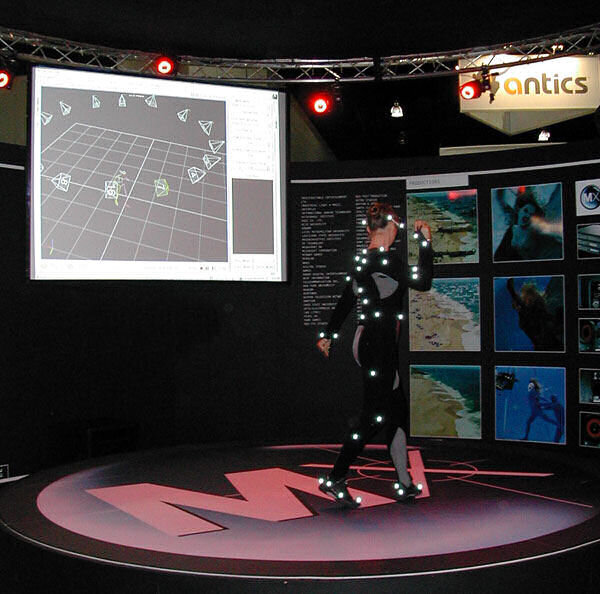
The core idea is to capture human performance. Whether it's the subtle shift in an actor's weight, the swagger in their walk, or the explosive energy of a fight scene, mocap technology records it all. This data becomes the foundation for the movement of a digital character, from a talking animal in a children's movie to a giant robot in a sci-fi blockbuster.
A Brief History
The concept isn't entirely new. Early animators used a technique called rotoscoping, where they would trace over live-action film footage frame by frame to create realistic animation. It was a manual, painstaking process, but it was based on the same principle: using a real performance to guide an animated one.
Modern motion capture began to take shape with the rise of computer technology. In the 1980s and 90s, researchers developed systems that could track markers placed on an actor's body in three-dimensional space. These early systems were often complex and expensive, limiting their use to high-end productions and research labs. As technology became more powerful and affordable, mocap moved from the lab into the film studio, revolutionizing visual effects.
The Basic Principles
While there are several different types of mocap systems, most share a common setup. An actor wears a suit covered with markers, which are placed at key points on the body, like the joints and head. Specialized cameras surround the performance area, and they are calibrated to track the precise position of each marker in 3D space.
As the actor moves, the cameras record the changing positions of the markers. Computer software then takes this stream of data and applies it to the corresponding points on a digital character's skeleton, or "rig." This brings the digital character to life with the actor's performance.
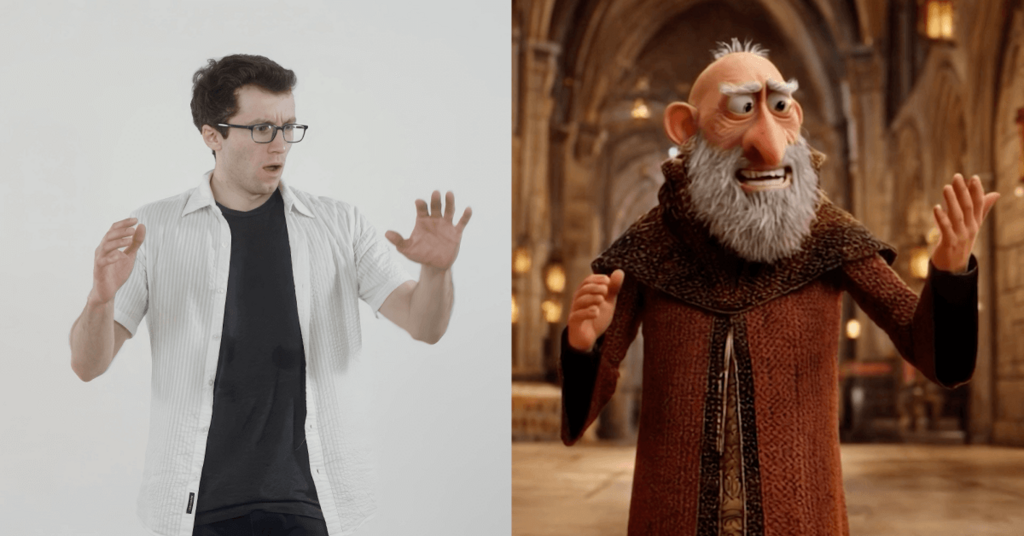
The result is a digital performance that captures the subtlety and realism of the original actor's movements.
Mocap in Filmmaking
In film, motion capture has opened up a world of creative possibilities. Its most famous application is in creating realistic digital characters. By capturing an actor's performance, filmmakers can create non-human characters that are still deeply expressive and believable. Think of Gollum in The Lord of the Rings or the Na'vi in Avatar. These characters are compelling because their movements are grounded in real human performances.
Mocap is also essential for creating complex action sequences and stunts. It allows filmmakers to safely capture dynamic and dangerous-looking movements that can then be applied to digital doubles or fantastical creatures. This not only enhances safety on set but also gives directors the freedom to create scenes that would be physically impossible to film with live actors alone.
Motion within the frame, whether it's the movement of subjects, objects, or even subtle environmental elements like wind-blown leaves, adds life and dynamism to video content.
Let's review what we've learned about motion capture.
What is the primary purpose of motion capture technology in animation and film?
The typical motion capture process involves an actor wearing a suit covered in what?
Motion capture has evolved from a niche technology into a fundamental tool for modern filmmaking, blending human performance with digital artistry.