Migrate to Shopify Bilingual Website
Understanding Wix and Shopify
Wix vs. Shopify
Choosing the right platform for your online presence can feel overwhelming. Two of the biggest names you'll encounter are Wix and Shopify. While both can help you build a website, they are designed with very different goals in mind. Understanding their core philosophies is the first step in deciding which one fits your needs.
Wix is, first and foremost, a website builder. Its main strength is giving you incredible creative freedom. Using a drag-and-drop editor, you can place text, images, and other elements anywhere on a page. This makes it a popular choice for artists, photographers, restaurants, and service-based businesses that need a visually unique site. While Wix does offer e-commerce features, they are an add-on to its core website-building tools.
A big selling point for Wix is how simple it is to use.
Shopify, on the other hand, was built from the ground up specifically for e-commerce. Its entire system is designed to help you sell products. It provides a structured framework for building an online store, with powerful, built-in tools for managing inventory, processing payments, handling shipping, and analyzing sales data. Everything is optimized for a smooth and secure shopping experience.
At its core, Shopify is a cloud-based ecommerce platform that enables businesses to create and manage their online stores effortlessly.
Core Differences
The fundamental distinction lies in their primary purpose. One is a flexible canvas for any kind of website; the other is a powerful machine for commerce. This core difference influences everything from design to scalability.
| Feature | Wix | Shopify |
|---|---|---|
| Primary Focus | General website building | E-commerce and retail |
| Design Flexibility | High (free-form drag-and-drop) | Structured (theme-based sections) |
| E-commerce Tools | Basic, available as an app | Advanced and built-in |
| Scalability | Best for small to medium catalogs | Built for high growth and large inventories |
| Payment Gateways | Wix Payments or third-party (with transaction fees) | Shopify Payments (no extra fees) + over 100 others |
Let's break down what these differences mean in practice.
With Wix, you get near-total control over your site's visual layout. This is fantastic if you have a specific design in mind and want to control every pixel. The trade-off is that it can be easier to create a design that doesn't work well on mobile devices or is confusing for users.
Shopify's approach is more structured. You choose a theme and then customize sections within that theme. While this limits complete free-form design, it ensures your store is mobile-responsive and follows best practices for online shopping. This structure helps guide customers toward making a purchase.
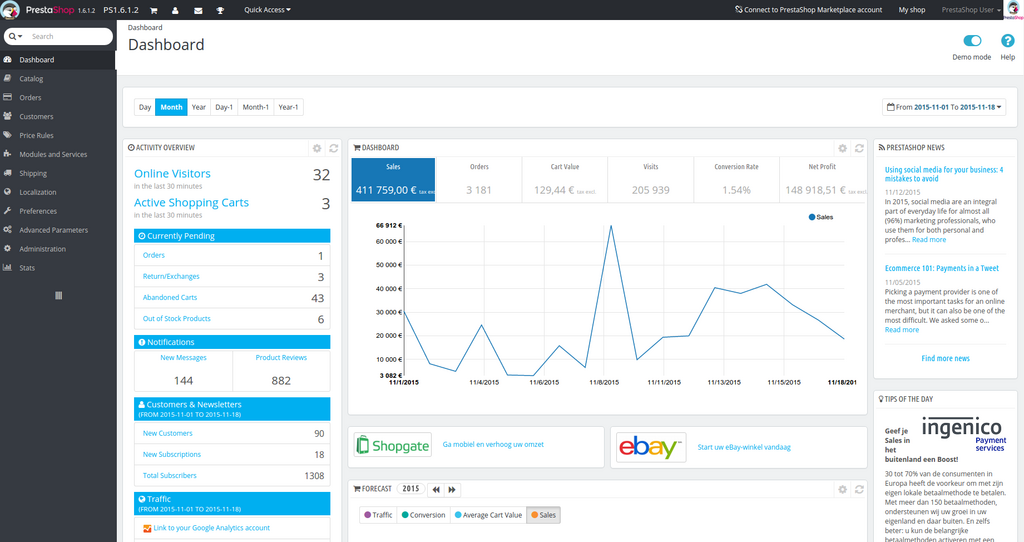
When it comes to selling, Shopify's specialization becomes clear. It includes sophisticated inventory management that can track stock across multiple locations, abandoned cart recovery features to win back potential sales, and detailed analytics. Wix's e-commerce tools are functional for smaller shops but lack the depth and power needed for a growing business.
Which One Is Right for You?
Assessing your business needs is the key to making the right choice. Your primary goal should guide your decision.
Choose Wix if: Your main goal is to create a content-rich, visually customized website. This is ideal for portfolios, blogs, service businesses, or restaurants. If you plan to sell a few products on the side, Wix's e-commerce capabilities will be sufficient.
For example, a freelance graphic designer needs a portfolio site to showcase their work and maybe sell a few prints. The visual presentation is paramount, and the sales volume is low. Wix is a perfect fit.
Choose Shopify if: Your primary goal is to sell products online. This is the platform for serious e-commerce businesses, whether you're just starting out or are a large, established brand. Its powerful sales tools and scalable infrastructure are designed to support business growth.
A new clothing brand, for instance, needs robust inventory management, secure payment processing, and the ability to handle high traffic during a sale. Shopify is built for exactly this scenario.