Microbiome Dynamics Explained
Introduction to Microbiome Dynamics
The World Within
You are never truly alone. Every surface of your body, and deep within your gut, is home to a bustling community of trillions of microorganisms. This isn't just true for humans. Every plant, animal, patch of soil, and drop of ocean water hosts its own unique collection of microscopic life. This entire habitat, including the microbes, their genetic material, and the surrounding environment, is called a microbiome.
Microbiome
noun
A community of microorganisms (such as bacteria, fungi, and viruses) that inhabit a particular environment, especially the collection of microorganisms living in or on the human body.
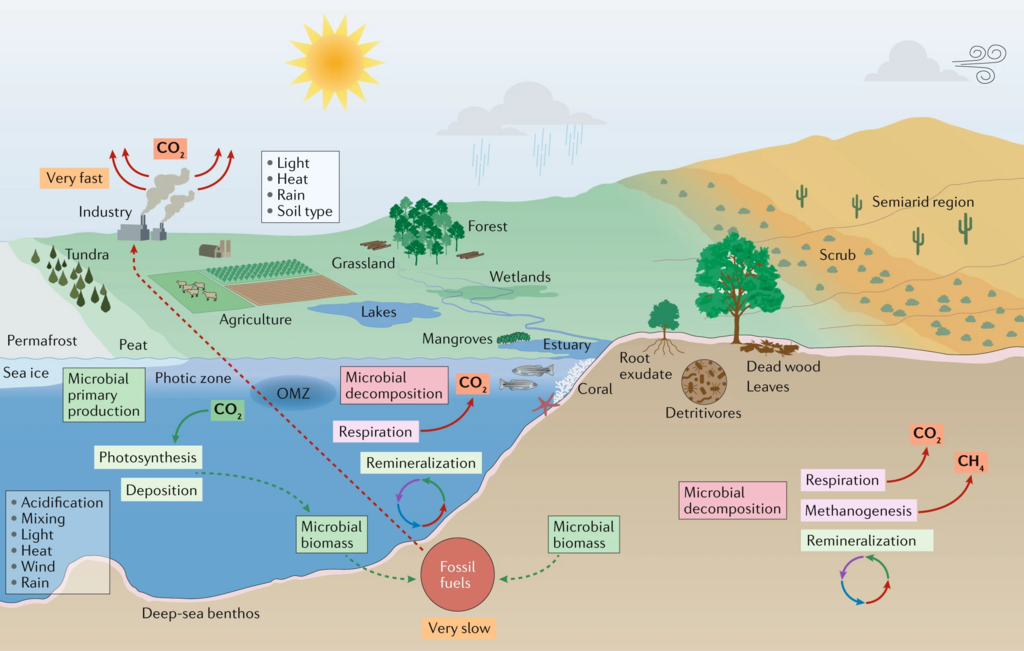
Think of it as a tiny, invisible ecosystem. Just like a forest has trees, animals, and fungi all interacting with each other and their environment, a microbiome has its own cast of characters working together, competing, and shaping their world. These communities are incredibly important. They help us digest food, protect plants from disease, and recycle essential nutrients throughout the planet. Understanding them is key to understanding health, agriculture, and the environment itself.
Meet the Microbes
A microbiome isn't just a random swarm of germs. It's a structured community composed of different types of organisms, each with its own role. The main residents include bacteria, archaea, fungi, viruses, and protists.
| Microbe Type | Key Characteristic |
|---|---|
| Bacteria | Single-celled organisms found almost everywhere. Many are beneficial. |
| Archaea | Similar to bacteria but with a different evolutionary history. Often found in extreme environments. |
| Fungi | Includes yeasts and molds. They are excellent decomposers. |
| Viruses | Tiny infectious agents that replicate inside living cells. Can infect all types of life. |
| Protists | A diverse group of single-celled eukaryotes, like amoebas and algae. |
The health and function of a microbiome depend on its composition. Two key concepts are richness (the number of different species present) and evenness (the relative abundance of those species). A healthy ecosystem, whether a rainforest or your gut, usually has high richness and evenness. This diversity provides stability, ensuring that if one species struggles, another can step in to perform a similar function.
A Community's Function
Microbial communities aren't just living together; they're working together. Their collective activities perform vital functions for their host or environment. One of their most important jobs is metabolism. Microbes break down complex substances that their hosts can't, like dietary fiber in the human gut or tough plant material in the soil. This process unlocks nutrients and energy, making them available to the entire ecosystem.
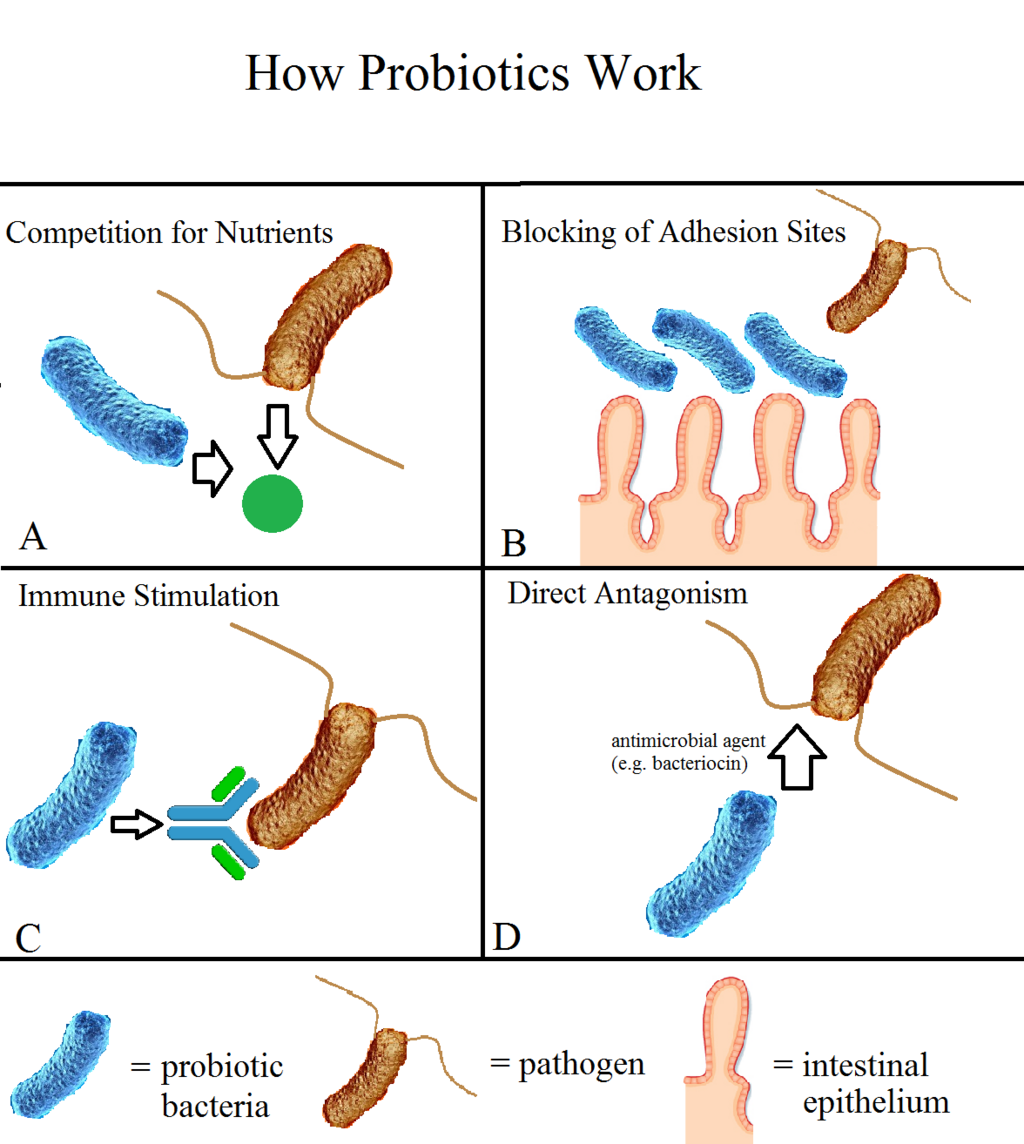
They also play a protective role. A well-established microbiome can act as a barrier, preventing harmful pathogens from taking root. They compete for space and resources, and some even produce antimicrobial compounds that inhibit invaders. This is a fundamental part of the immune system for many organisms, from insects to humans.
The structure of a microbiome isn't static. It's a dynamic system constantly influenced by both internal and external factors. Diet is a major driver for the gut microbiome; what you eat directly feeds certain microbes, helping them thrive while others may diminish. In the environment, factors like temperature, pH, and nutrient availability shape the microbial communities in soil and water.
Other factors include medication (like antibiotics, which can dramatically alter microbial populations), geography, and interactions with other organisms. A microbiome is in a constant state of flux, responding and adapting to the changing conditions of its environment. This dynamic nature is what makes them so resilient, but also what can make them vulnerable to disruption.
A microbiome's composition is a direct reflection of its environment and history.
Let's review these foundational concepts.
Ready to test your knowledge?
What is the most accurate definition of a microbiome?
In the context of a microbiome's structure, what do the terms 'richness' and 'evenness' refer to?
By understanding these basic principles of who the microbes are, what they do, and what shapes their communities, we can begin to appreciate their profound impact on our world.