Medical School's First Year Unveiled
Introduction to Medical Sciences
The Body's Building Blocks
Every living thing, from the smallest bacterium to the largest whale, is made of cells. Think of them as tiny, bustling cities. Each one is a self-contained unit with a specific job to do. Your body is a massive metropolis built from trillions of these cellular cities working together.
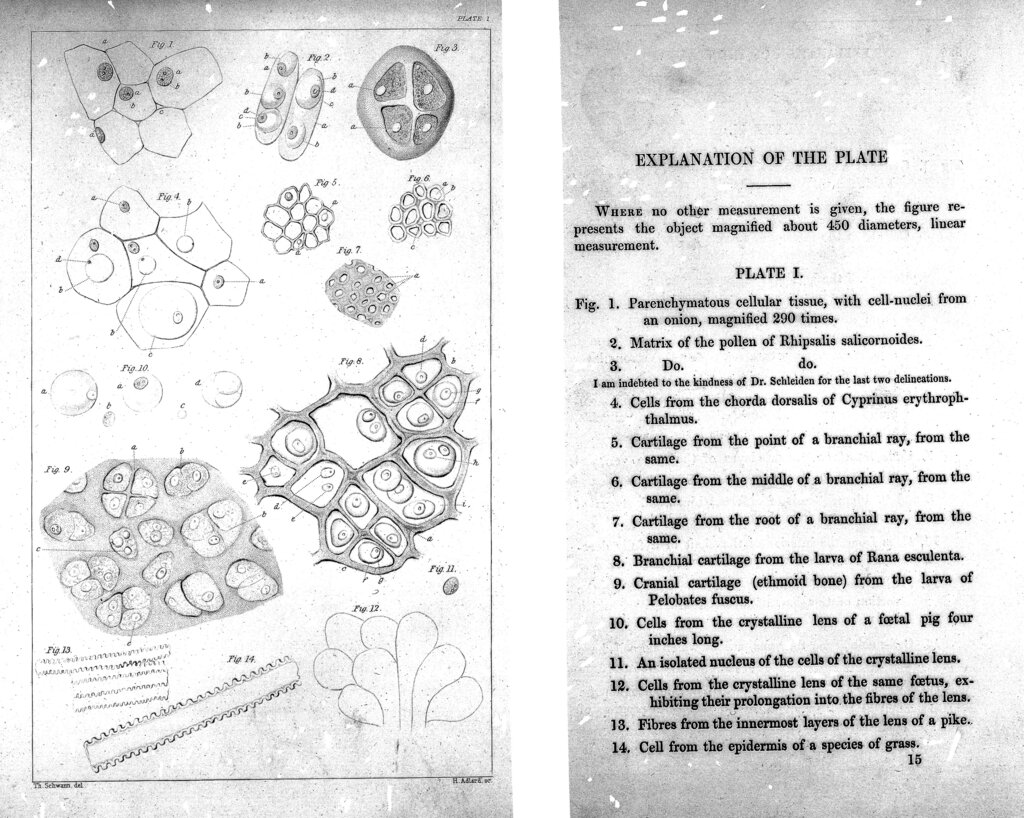
A basic animal cell has three main parts. The cell membrane is like the city limits, a flexible barrier that controls what comes in and out. Inside is the cytoplasm, a jelly-like substance where most of the cell's work gets done. It's filled with specialized structures called organelles, which are like the factories and power plants of the city.
The most important organelle is the nucleus, which acts as city hall. It houses the cell's master plan and directs all its activities.
The Master Blueprint
Inside the nucleus of almost every cell in your body is a remarkable molecule called deoxyribonucleic acid, or DNA. DNA is the ultimate instruction manual. It contains all the genetic information needed to build and operate you.
This manual is written in a simple, four-letter alphabet (A, T, C, G) and organized into chapters called genes. Each gene is a recipe for making a specific protein.
Protein
noun
A large, complex molecule that plays a critical role in the body. Proteins do most of the work in cells and are required for the structure, function, and regulation of the body's tissues and organs.
Because the original DNA blueprint is too valuable to risk damaging, the cell uses a clever system to read the recipes. First, a temporary copy of a gene is made. This copy is called messenger RNA (mRNA). The mRNA then travels out of the nucleus to the cell's cytoplasm.
There, cellular machines called ribosomes act like chefs. They read the mRNA recipe and assemble a protein, stringing together building blocks called amino acids in the precise order specified by the gene. This entire process, from DNA to RNA to protein, is known as the central dogma of molecular biology. It's the fundamental flow of information in all of life.
Passing On the Plan
How do we get our unique set of genetic instructions? We inherit them. You received half of your DNA from your mother and the other half from your father. This combination is what makes you genetically unique.
For each gene, you have two copies, or alleles: one from each parent. Sometimes, one allele is dominant and the other is recessive. A dominant allele will show its trait even if only one copy is present. A recessive allele will only show its trait if two copies are present.
Let's use a simplified example. Imagine the gene for brown eyes (B) is dominant, and the gene for blue eyes (b) is recessive. If a parent has one of each allele (Bb), they will have brown eyes because the 'B' allele masks the 'b' allele. For a person to have blue eyes, they must inherit two recessive alleles (bb), one from each parent.
We can predict the probability of a child inheriting certain traits using a tool called a Punnett square.
This table shows the possible outcomes if two brown-eyed parents, both with a 'Bb' genetic makeup, have a child. There is a 3 in 4 chance the child will have brown eyes (BB or Bb) and a 1 in 4 chance the child will have blue eyes (bb).
| Parent 1 (B) | Parent 1 (b) | |
|---|---|---|
| Parent 2 (B) | BB (Brown) | Bb (Brown) |
| Parent 2 (b) | Bb (Brown) | bb (Blue) |
This is a simple look at inheritance, but the same principles apply to many genetic traits and conditions. Understanding these patterns is key to understanding genetic diseases and family health history.
What is the primary function of the cell's nucleus?
Which sequence correctly represents the flow of genetic information known as the central dogma?
These foundational concepts of cells, DNA, and genetics are the building blocks for understanding the entire human body. They explain how a single fertilized egg can develop into a complex being, and how our bodies function on a moment-to-moment basis.