Mastering the Virtual Interview
Understanding Virtual Interviews
The New Handshake
Instead of walking into an office, you're clicking a link. This is the new reality of job hunting. Virtual interviews are becoming a standard part of the hiring process, especially for internships and first jobs. They allow companies to connect with candidates from anywhere in the world, saving time and money for everyone involved.
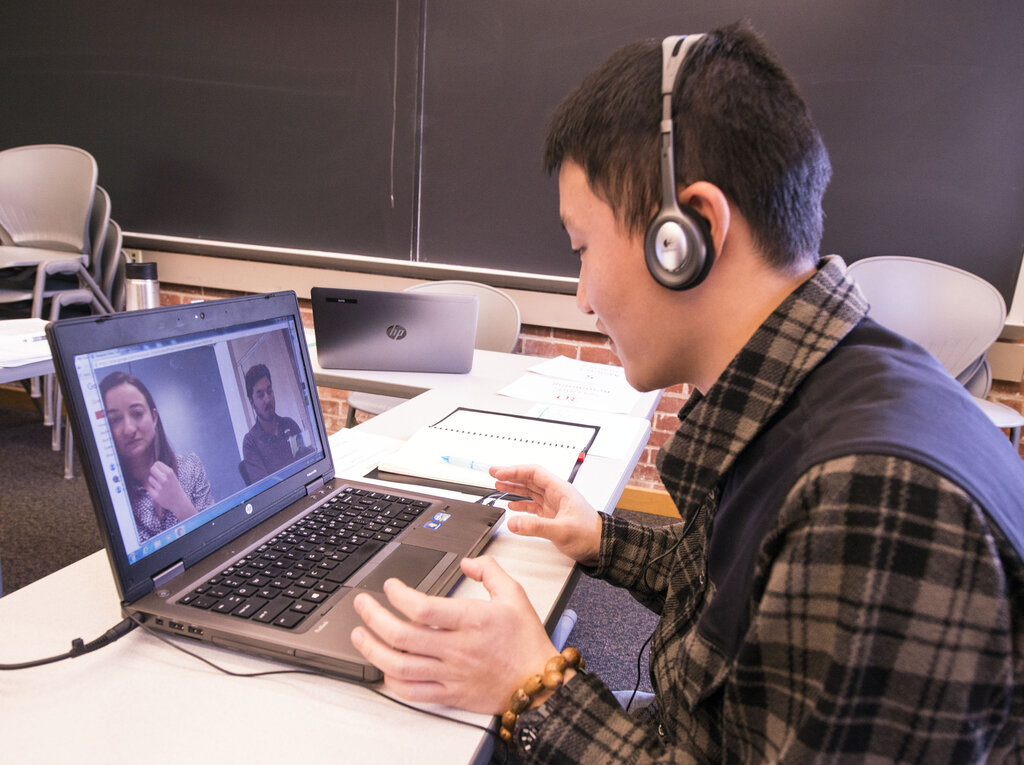
While the goal is the same—to see if you're a good fit for the role—the format is different. Understanding the types of virtual interviews you might face is the first step to success. Most fall into two main categories.
Two Types of Virtual Interviews
The most common format is the live video interview. This is a real-time conversation with one or more interviewers, just like a traditional interview, but conducted over a platform like Zoom, Google Meet, or Microsoft Teams. It's a direct replacement for the in-person meeting.
In a live video interview, you can read your interviewer's body language and ask clarifying questions on the spot, just as you would in person.
The second type is the one-way recorded interview, sometimes called an asynchronous interview. In this format, the company sends you a set of questions, and you record your answers on your own time. There's no live interviewer; you're essentially talking to your camera. These are often used as an initial screening tool.
| Feature | Live Video Interview | One-Way Recorded Interview |
|---|---|---|
| Interaction | Real-time conversation | No live interaction |
| Format | Q&A with interviewer(s) | Record answers to preset questions |
| Scheduling | Specific date and time | Complete by a deadline |
| Common Use | Later interview stages | Early screening |
| Feel | Conversational | Like a presentation |
Pros and Cons
Virtual interviews offer clear advantages. The biggest is convenience. You can interview for a job across the country without leaving your home. This flexibility saves you travel time and costs. For employers, it means they can consider a much wider pool of talent.
An advantage of virtual interviews is that you can have your notes and questions handy on your computer screen during your conversation.
However, there are challenges. Technical glitches are a constant threat. A poor internet connection or a malfunctioning webcam can create a bad impression for reasons outside your control. It can also be harder to build a personal connection and read the room when you're not physically there. Small talk feels different, and it's easy to accidentally speak over someone due to audio lag.
Adapting Your Skills
Success in a virtual interview isn't just about what you say, but how you present yourself through a screen. The core skills of a good interview still apply: you need to research the company, prepare thoughtful answers, and ask smart questions. But you have to adapt them for the virtual stage.
Body language is still crucial. Since the interviewer only sees you from the shoulders up, you need to be more intentional. Sit up straight, make eye contact with the camera (not the screen), and use hand gestures where appropriate. Your vocal tone matters more, too. Speak clearly and with energy to convey enthusiasm that might otherwise be lost.
Your environment becomes part of your first impression. A clean, quiet, well-lit space shows professionalism. A messy room or a barking dog in the background can be distracting and signal a lack of preparation.
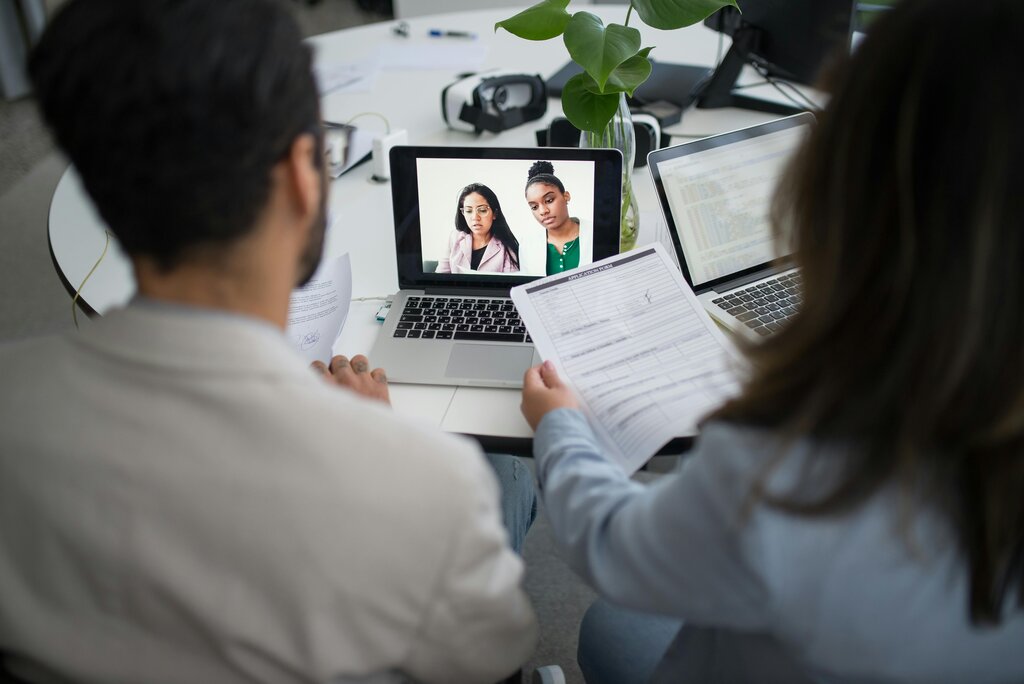
Ultimately, treating a virtual interview with the same seriousness as an in-person one is the key. Your preparation and professionalism are what will make you stand out.
Ready to test your knowledge?
In a one-way recorded interview, you are having a real-time conversation with a hiring manager.
During a virtual interview, where should you primarily focus your gaze to simulate direct eye contact with the interviewer?
Virtual interviews are a skill, and like any skill, you get better with practice. By understanding the format and adapting your approach, you can make a great impression from anywhere.