Mastering the Science of Learning
Active Learning Science
The Myth of Passive Review
For many, studying means rereading notes, highlighting passages, and watching lectures again. This feels productive. The material becomes familiar, and we mistake this familiarity for genuine knowledge. This is passive review. It’s like watching someone else lift weights and expecting to get stronger.
Active recall is the opposite. It’s the act of deliberately retrieving information from your memory. Instead of looking at the answer, you force your brain to find it. This single shift from input-based learning (reading, listening) to output-based learning (recalling, explaining) is the key to building durable, long-term memory.
The Testing Effect
Cognitive scientists have a name for this phenomenon: the testing effect. It demonstrates that the act of quizzing yourself, even with low-stakes questions, is a far more powerful learning tool than simply rereading the material. Each time you successfully pull a piece of information from your memory, you strengthen the neural pathways associated with it, making it easier to retrieve next time.
Active recall, the process of self-testing without prompts, combined with spaced repetition, reviewing information at increasing intervals, is a scientifically-backed method that dramatically enhances long-term retention.
This process works because of , the brain's incredible ability to reorganize itself by forming new neural connections. Think of a memory as a path through a dense forest. The first time you access it, you have to clear a new trail. Rereading your notes is like looking at a map of the trail. Actively recalling the memory is like physically walking the path again, stamping it down and making it clearer and easier to follow in the future.
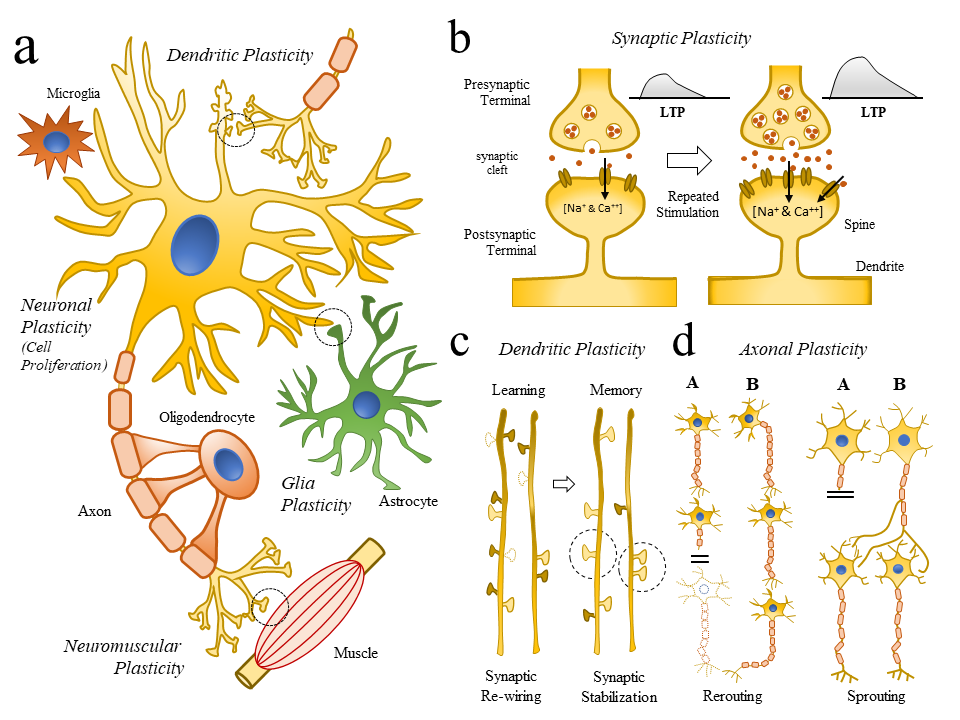
This effortful retrieval is a signal. It tells your brain that the information is important and worth transferring from fragile, short-term working memory to more permanent long-term storage. This process is called memory consolidation, and the struggle of active recall is what fuels it.
Desirable Difficulty
If learning feels too easy, you're probably not doing it right. This brings us to the concept of desirable difficulty. Coined by psychologist Robert Bjork, it suggests that learning tasks should be challenging enough to require effort, but not so hard that they become impossible. The mental strain involved in active recall is a perfect example of desirable difficulty.
Passive review creates a dangerous "illusion of fluency." Because the information is right in front of you, your brain doesn't have to work to access it. This feels smooth and easy, leading you to believe you know the material better than you actually do. Desirable difficulty shatters this illusion by forcing you to confront what you don't know, allowing you to identify and fill those gaps before an exam does it for you.
Simple Self-Testing Strategies
Incorporating active recall doesn't require complex tools. It's about changing your approach. Instead of rereading a chapter, close the book and summarize its key points out loud or on a blank sheet of paper. After a lecture, explain the main concepts to a friend or even an empty chair. The goal is to produce the information yourself.
| Passive Review (Less Effective) | Active Recall (More Effective) |
|---|---|
| Rereading notes or textbook | Answering questions from the end of the chapter |
| Highlighting key passages | Creating your own flashcards and testing yourself |
| Watching a lecture video | Writing a summary of the topic from memory |
| Looking over solved problems | Solving the problem again on a blank sheet of paper |
The most effective studying isn't about reviewing what you already know. It's about practicing the skill you'll need on the exam: retrieving information from memory.
Before you dive into a test, let's review the key ideas from this section.
Ready to test yourself? This quiz will help solidify what you've just learned.
What is the core difference between active recall and passive review?
The feeling that you know material well simply because it looks familiar when you reread it is known as:
By shifting from passive review to active recall, you work with your brain's natural learning processes, not against them. It's a more challenging way to study, but the results are durable, long-lasting knowledge.