Mastering the Dissertation
Understanding Dissertations
What is a Dissertation?
A dissertation is the final, major research project required to earn a doctorate. Think of it as the capstone of years of study. Its main purpose isn't just to prove you've learned a lot, but to contribute something entirely new to your field of study. It's about adding a new brick to the wall of human knowledge.
While a term paper might report on what's already known, a dissertation must present original research and create new knowledge.
This original contribution is what sets a dissertation apart. It could be a new theory, a groundbreaking discovery, a fresh interpretation of existing data, or a novel solution to a long-standing problem. The student, now a candidate for a PhD, must identify a gap in the current understanding of a topic and conduct rigorous research to fill it.

Not Just a Long Paper
It's easy to think of a dissertation as just a very long essay, but the differences run much deeper. The key distinctions are scope, originality, and the process itself.
| Feature | Term Paper | Master's Thesis | Dissertation |
|---|---|---|---|
| Purpose | Demonstrate understanding of existing knowledge | Show mastery of a field; may involve some original research | Create a significant, new, and original contribution to a field |
| Originality | Summarizes or analyzes existing sources | Often applies existing theories in a new way | Must be based on original, independent research and findings |
| Scope | Narrow; covers a specific topic within a course | Broader than a term paper, focused on a subfield | Comprehensive; aims to become the authoritative work on a narrow topic |
| Length | 10-20 pages | 50-100 pages | 100-300+ pages |
| Process | One semester | 1-2 years | Multiple years of dedicated research and writing |
A dissertation is a marathon, not a sprint. It involves years of independent work under the guidance of a committee of faculty advisors. The final document is then rigorously evaluated in a process called a dissertation defense, where the candidate presents and defends their work before a panel of experts.
Anatomy of a Dissertation
While the exact format can vary by field, most dissertations follow a standard structure. Each section serves a distinct and crucial purpose, guiding the reader through the entire research journey, from the initial question to the final answer.
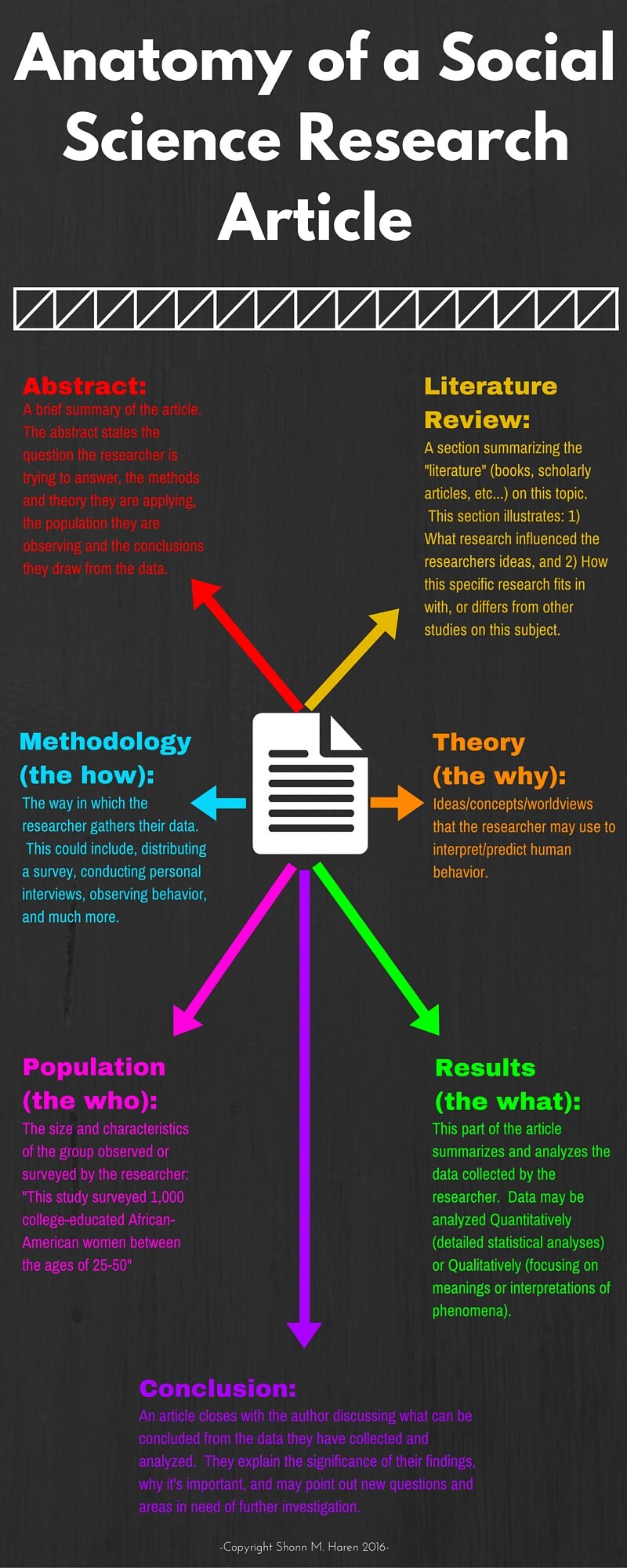
Introduction: This section sets the stage. It introduces the research problem, explains why it's important, and states the specific research questions the dissertation will answer. It essentially provides a roadmap for the rest of the document.
Literature Review: Here, the author surveys all the relevant, previously published work on the topic. The goal is to show a deep understanding of the current state of the field and, most importantly, to identify the "gap" in knowledge that their own research will address.
Methodology: This is the "how-to" chapter. It explains in precise detail how the research was conducted. What methods were used to collect data? How was the data analyzed? This section must be clear enough for another researcher to replicate the study.
Results: Just the facts. This section presents the findings of the research without interpretation or analysis. It often includes tables, graphs, and figures to display the data that was collected.
Discussion: This is where the author explains what the results mean. They interpret the findings, connect them back to the questions raised in the introduction and the literature review, and discuss the implications of their work. What new insights have been gained?
Conclusion: The final chapter summarizes the entire project. It recaps the main findings, restates the significance of the contribution, acknowledges any limitations of the study, and often suggests directions for future research on the topic.
Ready to check your understanding?
What is the primary purpose of a dissertation?
In which section would you expect to find raw data presented in tables and graphs, without interpretation?
Understanding these components is the first step in appreciating the immense work and intellectual achievement that a dissertation represents.