Mastering the Bar Exam
Bar Exam Overview
What Is the Bar Exam?
The bar exam is the final gatekeeper between a law school graduate and a license to practice law. Its purpose is to ensure that anyone who becomes an attorney has the minimum competency required to represent clients and navigate the legal system effectively. Think of it as a professional licensing exam, similar to what doctors or accountants must pass. It's designed to protect the public from unqualified practitioners.
The bar exam can be a beast.
Passing the bar exam demonstrates that you have a solid grasp of fundamental legal principles and the skills to apply them. Each state, or jurisdiction, administers its own exam, but most use a set of standardized tests created by the National Conference of Bar Examiners (NCBE).
The Exam's Core Components
Most states have adopted the Uniform Bar Examination (UBE), which consists of three parts: the Multistate Bar Examination (MBE), the Multistate Essay Examination (MEE), and the Multistate Performance Test (MPT). Even states that don't use the full UBE often use one or more of these components.
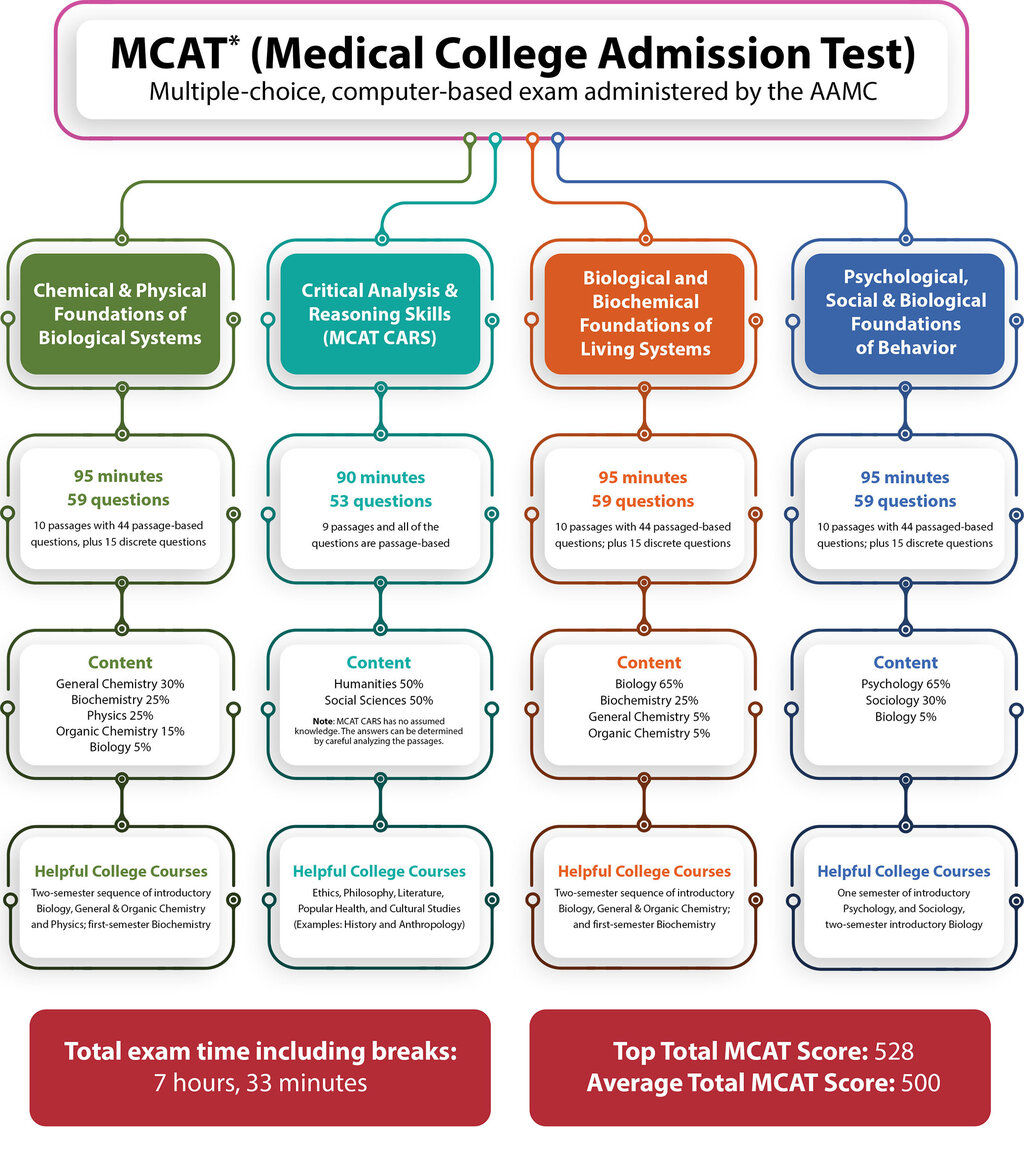
First is the Multistate Bar Examination (MBE). This is a 200-question, multiple-choice test that covers seven core legal subjects. The exam is divided into two three-hour sessions, one in the morning and one in the afternoon, with 100 questions in each. The MBE tests your ability to apply fundamental legal principles to hypothetical fact scenarios.
| MBE Subject | Number of Questions |
|---|---|
| Civil Procedure | 25 |
| Constitutional Law | 25 |
| Contracts | 25 |
| Criminal Law and Procedure | 25 |
| Evidence | 25 |
| Real Property | 25 |
| Torts | 25 |
Next is the Multistate Essay Examination (MEE). This portion consists of six 30-minute essay questions. The MEE covers a broader range of legal topics than the MBE, including subjects like Family Law, Business Associations, and Trusts and Estates. The goal is to assess your ability to identify legal issues in a story, separate relevant from irrelevant facts, and present a clear, well-reasoned analysis.
The final component is the Multistate Performance Test (MPT). The MPT is designed to simulate a real-world legal assignment. You're given a case file with facts and a library of legal resources (like statutes or case law). Your task is to use these materials to draft a document, such as a legal memo, client letter, or persuasive brief. The MPT isn't a test of what you know; it's a test of what you can do with the information provided.
State Rules and Registration
While the UBE provides uniformity, each jurisdiction sets its own standards. This means a passing score in one state might not be a passing score in another. Additionally, some states have their own specific testing components. For example, Texas has the Texas Law Component, and California has its own essays and performance test that are separate from the MEE and MPT.
Before you can even sit for the exam, you must meet the eligibility criteria. For most jurisdictions, this means graduating from an American Bar Association (ABA) accredited law school with a Juris Doctor (J.D.) degree. You'll also have to pass a character and fitness investigation, which is a thorough background check to ensure you have the integrity to practice law.
The registration process for the bar exam is notoriously detailed and unforgiving. Deadlines are strict, and the application requires extensive personal, educational, and professional history.
You'll register through your state's board of bar examiners. The process typically involves submitting an application, paying fees, and providing supporting documents like law school transcripts and fingerprints. It's crucial to start this process early. Missing a deadline can delay your ability to take the exam by six months or more. Always check the specific requirements for the jurisdiction where you plan to practice.
Now that you understand the structure and purpose of the bar exam, let's test your knowledge on these foundational concepts.
What is the primary purpose of the bar exam?
Which component of the Uniform Bar Examination (UBE) is specifically designed to test a candidate's practical lawyering skills using a provided case file and library, rather than their memorized legal knowledge?
Understanding these core elements is the first step in preparing for this crucial exam.