Mastering Song Lyrics
Understanding Memory
The Brain's Filing System
Memory isn't a single thing or a place in the brain. It's a complex process of capturing, holding onto, and recalling information and experiences. Think of it like a dynamic library system. To use a book, you first have to acquire it, then place it on a shelf, and finally know how to find it again later.
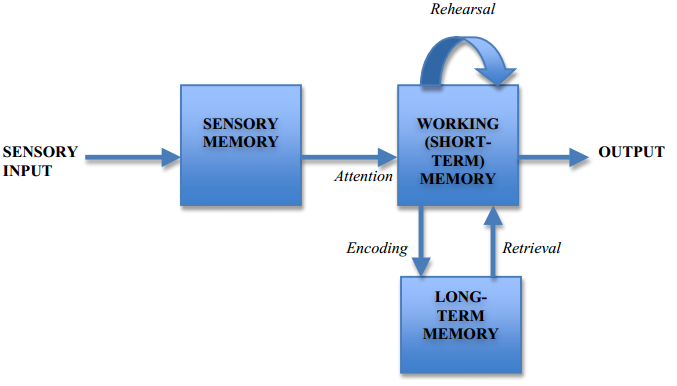
Psychologists break this process down into three main stages: encoding, storage, and retrieval.
• Encoding is how we get information into our brain. It's the process of converting sensory input—what we see, hear, or feel—into a form that can be stored. • Storage is the process of keeping that information over time. • Retrieval is the ability to get the information back out of storage when we need it.
These three stages work together continuously. If any one of them fails, our memory fails. For example, the classic “tip-of-the-tongue” feeling is a failure of retrieval. The information is stored, but you just can't access it.
The Storage Rooms
Not all memories are stored in the same way or for the same amount of time. Our brains have different systems for different needs. The main ones are short-term, working, and long-term memory.
Short-term memory
noun
A temporary storage system that holds a small amount of information for a brief period, typically about 15 to 30 seconds.
Think of short-term memory as a small mental notepad. It can only hold about 7 items at a time, plus or minus two. Once you stop paying attention to the information, it quickly fades away unless it's transferred to long-term memory.
Working memory is often confused with short-term memory, but it’s more active. It’s the mental workspace where you hold and manipulate information. If short-term memory is a notepad, working memory is the desk where you use that notepad to solve a problem. You use it when you're doing mental arithmetic or figuring out the steps to a recipe while cooking.
Working memory is like a temporary mental workbench, allowing us to hold and process information simultaneously to perform complex cognitive tasks.
Finally, there's long-term memory. This is the brain's vast, durable storage system. It has a seemingly unlimited capacity and can hold information for minutes, days, or a lifetime. Everything you know—from the capital of France to how to ride a bike to your memories of your first day of school—is stored in your long-term memory.
Making Memories Stick
Why do we remember some things so vividly while others slip away? Several key factors determine whether information makes the leap from short-term to long-term memory.
First is attention. You can't remember what you don't pay attention to. In our world of constant distractions, focused attention is critical for the encoding process. If your focus is split between listening to a lecture and scrolling on your phone, you're not giving your brain a fair chance to encode the lecture's content.
Repetition is another powerful factor. The more you revisit or practice a piece of information, the stronger the neural pathways associated with it become. This is why studying for a test over several days is far more effective than cramming the night before. Each repetition reinforces the memory, making it easier to retrieve later.
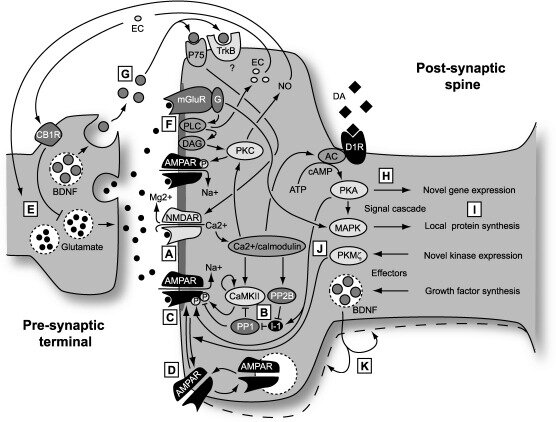
Lastly, emotional engagement plays a huge role. We tend to remember events that are tied to strong emotions, whether positive or negative. This is why you can likely recall your high school graduation day in detail but have no memory of what you ate for lunch three Tuesdays ago. The brain flags emotionally charged events as important and worth saving.
Understanding these basic mechanics of memory is the first step toward learning more effectively. When you know how the system works, you can start using strategies that work with your brain, not against it.
Which sequence correctly lists the three main stages of the memory process?
What is the key difference between short-term memory and working memory?