Mastering Sales and Marketing
Introduction to Sales and Marketing
What Are Sales and Marketing?
At its core, business growth comes down to two key activities: attracting people who might be interested in what you offer, and then turning that interest into a purchase. These two functions are known as marketing and sales.
Marketing
noun
The process of identifying customer needs and creating awareness, interest, and demand for a company's products or services.
Think of marketing as the activities that draw a crowd. It’s about building a brand, telling a compelling story, and making sure potential customers know you exist and understand the value you provide. The main goal is to generate qualified leads—people who have shown a genuine interest in your product or service.
Sales
noun
The process of directly interacting with potential customers to persuade them to purchase a product or service.
Sales takes over where marketing leaves off. It’s the hands-on work of converting those interested leads into actual customers. This involves conversations, demonstrations, negotiating terms, and ultimately, closing the deal. The primary objective of sales is to generate revenue.
A Powerful Partnership
While they have different objectives, sales and marketing are not separate islands. They are two halves of a single engine driving a company's growth. The most successful businesses treat them as a tightly integrated team.
A common way to visualize their relationship is through a funnel. Marketing is responsible for filling the top of the funnel with a wide audience and nurturing them until they become qualified leads. Sales then takes those leads and guides them through the bottom of the funnel to a final purchase.
When marketing provides sales with high-quality leads, the sales team can focus its efforts on prospects who are already warmed up and interested. In turn, the sales team can provide valuable feedback to marketing about what messages are resonating with customers and what pain points they have. This creates a powerful feedback loop.
How Things Have Changed
The relationship between businesses and customers has transformed dramatically over the last few decades. In the past, companies controlled the flow of information. They relied on outbound, or "interruption," marketing to get their message out.
Outbound marketing pushes a message onto a broad audience, whether they've asked for it or not. Think TV commercials, billboards, telemarketing calls, and print ads.
Today, the power has shifted to the consumer. The internet gives us instant access to information, reviews, and competitors. We've become very good at tuning out messages we don't want to hear. This shift has led to the rise of inbound marketing.
Inbound marketing attracts customers by creating valuable content and experiences tailored to them. Think helpful blog posts, search engine optimization (SEO), and engaging social media content.
Instead of interrupting people, the goal of inbound marketing is to be genuinely useful. By providing answers and solving problems, businesses build trust and attract customers who are actively looking for their solutions. This approach respects the buyer's intelligence and their journey.
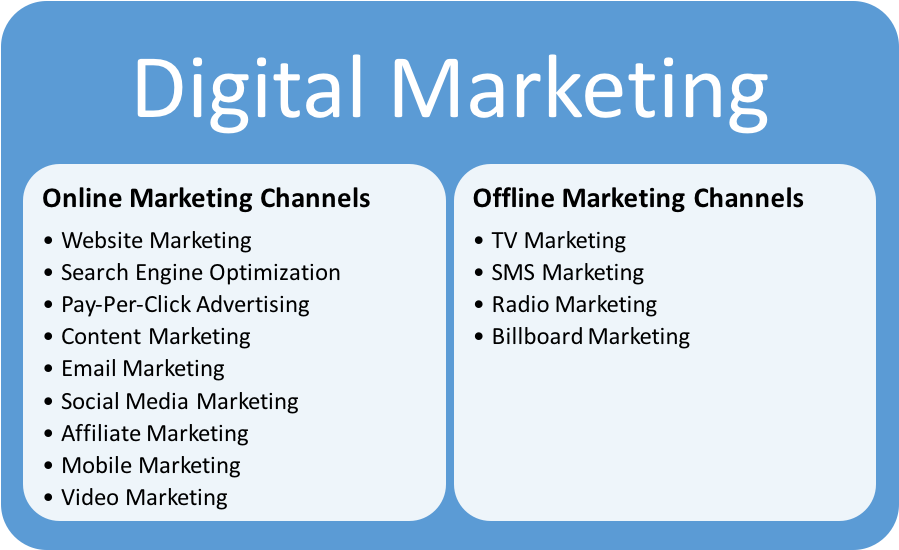
This evolution isn't just about new tools; it's a fundamental change in philosophy. Technology, from social media to customer relationship management (CRM) software, has enabled companies to personalize their outreach at a massive scale. Data allows marketing and sales teams to understand customer behavior better than ever before, tailoring their strategies to meet specific needs at each stage of the buying process.
The core principles remain the same: understand your customer and show them how you can help. But the methods for achieving this are constantly evolving in a digital-first world.
What is the main goal of marketing, as described in the text?
In the sales and marketing funnel analogy, the sales team is primarily responsible for the activities at the bottom of the funnel.