Mastering Salary Negotiation
Understanding Salary Structures
Deconstructing a Job Offer
When you receive a job offer, the number that usually grabs your attention is the salary. But that figure is just one piece of a larger puzzle. What you're actually being offered is a compensation package, which includes not only your regular paycheck but also a variety of other components that have real financial value.
The foundation of any compensation package is the base pay. This is the fixed, predictable amount of money you receive for the work you do, paid out on a regular schedule. It's the number you'll use to budget for rent, groceries, and other recurring expenses. It doesn't include any extra earnings like overtime or bonuses.
Base Pay
noun
The fixed salary or hourly wage an employee receives in exchange for their work, not including benefits, bonuses, or other compensation.
Beyond the Paycheck
Many compensation packages include variable pay, which is money you might earn on top of your base salary. The most common form is a bonus. A signing bonus is a one-time payment to entice you to accept the job. A performance bonus, on the other hand, is typically paid annually and is based on your success in the role or the company's overall performance.
Then there are benefits, which are the non-cash perks of the job. These are incredibly valuable and can significantly impact your financial health and work-life balance. Common benefits include health, dental, and vision insurance, retirement savings plans (like a 401(k) with company matching), and paid time off (PTO) for vacations and sick days.
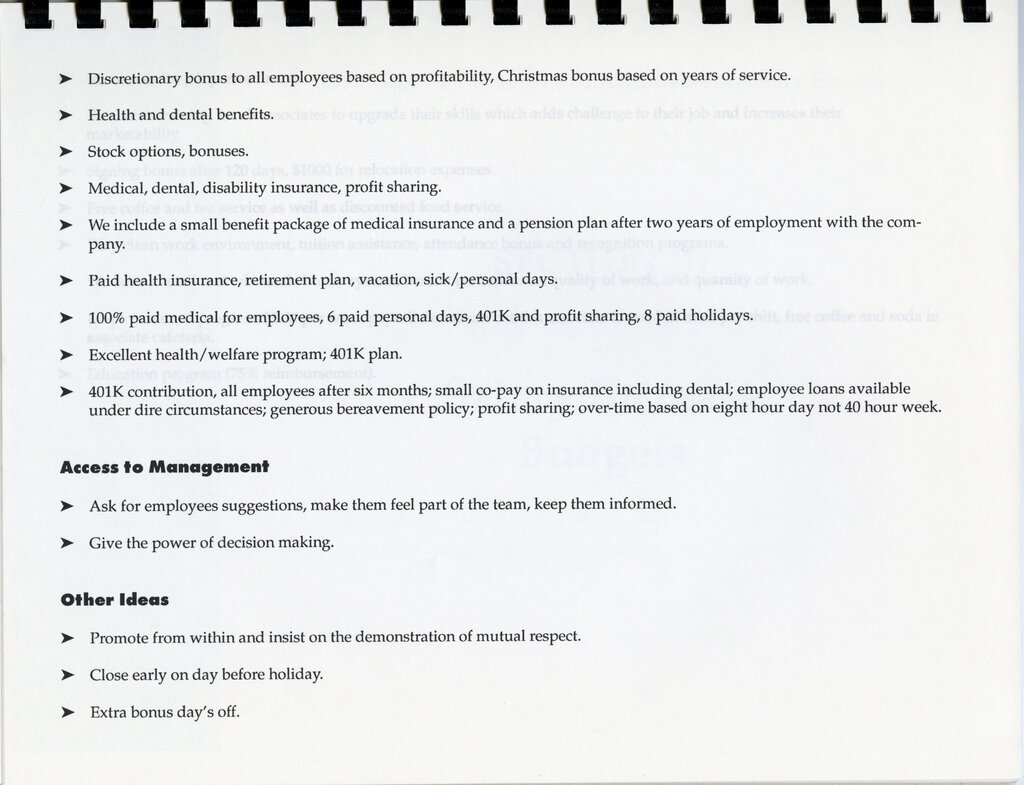
Other benefits might include life insurance, disability coverage, flexible work schedules, or professional development funds. The value of a strong benefits package can be worth thousands of dollars a year.
Imagine two job offers. Offer A has a 💲70,000 base salary but requires you to pay 💲500 a month for health insurance. Offer B has a 💲65,000 base salary but the company covers your entire health insurance premium. Offer B is actually the better financial deal, saving you 💲6,000 a year on insurance costs.
How Salaries Are Set
Companies don't pick salary numbers out of thin air. They use a structured approach based on several key factors to determine a fair pay range for a position.
First is the job role itself. A senior engineer with ten years of experience and management duties will have a higher salary range than an entry-level coordinator. The complexity, responsibility, and skill required for the role are primary drivers of pay.
Next is the industry. A software developer working in the tech industry will likely earn more than a software developer with similar skills working for a non-profit, because different industries have different revenue models and market rates for talent.
Finally, geographic location plays a huge role. Companies adjust salaries based on the local cost of living. A job in a major city like San Francisco will pay more than the exact same job in a smaller town in the Midwest to account for differences in housing, taxes, and other expenses.
| Job Title | San Francisco, CA | Austin, TX | Omaha, NE |
|---|---|---|---|
| Graphic Designer | $85,000 | $68,000 | $59,000 |
| Accountant | $92,000 | $75,000 | $65,000 |
| HR Manager | $130,000 | $105,000 | $90,000 |
Putting It All Together
To truly understand a job offer, you need to look at the total compensation. This is the combined value of your base pay, any potential bonuses, and the financial worth of all your benefits. It's the most accurate measure of what a company is offering you.
Consider the total compensation package, not just the base salary.
When comparing different job offers, always calculate the total compensation for each. A higher base salary doesn't always mean more money in your pocket once you account for the costs of poor benefits or the lack of a bonus. Understanding all the components gives you a clearer picture and empowers you to make the best decision for your career and financial goals.
What is the fixed, predictable amount of money an employee receives for their work, paid on a regular schedule?
Which of the following is NOT a primary factor companies use to determine a salary range for a specific position?