Mastering Restful Sleep
Understanding Sleep Basics
The Stages of Sleep
Sleep isn't just an on-or-off switch. When you fall asleep, your brain and body journey through a series of distinct stages, each with a unique purpose. Think of it as a nightly cycle of maintenance and repair. This entire process is divided into two main types of sleep: Non-Rapid Eye Movement (NREM) and Rapid Eye Movement (REM).
A full sleep cycle, moving through all the stages, lasts about 90 minutes. Most adults complete four to six of these cycles each night.
NREM Sleep This is where you spend most of your sleep time. It's broken down into three stages:
-
N1 (Light Sleep): This is the very beginning of sleep, the stage where you're just drifting off. Your heartbeat, breathing, and eye movements slow down, and your muscles relax. You might twitch occasionally. It's easy to be woken up from this stage.
-
N2 (Deeper Sleep): You spend about half your total sleep time in this stage. Your body temperature drops, your eye movements stop, and your brain waves slow down. This stage is important for consolidating memories and processing information from your day.
-
N3 (Deep Sleep): This is the deepest, most restorative stage of sleep, also known as slow-wave sleep. It's much harder to wake someone up from N3 sleep. During this time, the body repairs tissues, builds bone and muscle, and strengthens the immune system.
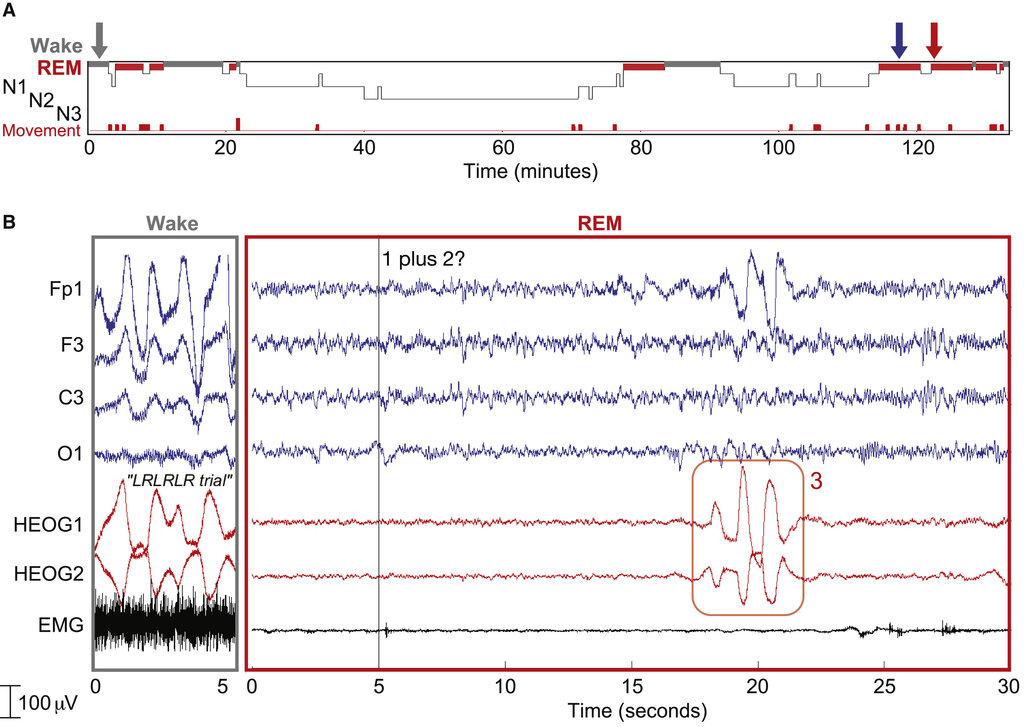
REM Sleep About 90 minutes after you fall asleep, you enter your first REM stage. In this stage, your brain activity ramps up to levels similar to when you're awake. Your eyes move rapidly from side to side behind closed lids—hence the name.
This is the stage where most vivid dreaming occurs. Your breathing becomes faster and irregular, and your heart rate and blood pressure increase. To keep you from acting out your dreams, your arm and leg muscles become temporarily paralyzed. REM sleep is crucial for memory, learning, and mood regulation.
Your Body's Internal Clock
Have you ever wondered why you naturally start to feel sleepy around the same time each night and wake up around the same time each morning, even without an alarm? You can thank your circadian rhythm.
Circadian Rhythm
noun
A natural, internal 24-hour cycle that regulates sleep-wake patterns, hormone release, and other bodily functions.
This internal clock is located in a part of your brain called the hypothalamus. It responds primarily to light, which is the most powerful cue for keeping your rhythm on track. When your eyes detect light in the morning, signals are sent to your brain to suppress the production of melatonin, a hormone that makes you feel sleepy. This helps you wake up and feel alert.
As darkness falls in the evening, your brain gets the signal to start producing melatonin again, which prepares your body for sleep. This is why exposure to bright light, especially from screens, before bed can make it harder to fall asleep. It tricks your brain into thinking it's still daytime.
Consistency is key. Going to bed and waking up around the same time every day, even on weekends, helps keep your circadian rhythm stable.
Why Sleep Matters
Sleep isn't a luxury; it's a biological necessity. While you're resting, your brain and body are hard at work performing essential tasks that keep you healthy and functioning at your best. Getting enough quality sleep affects everything from your mood to your immune system.
Here are some of sleep's critical functions:
-
Brain Health and Learning: During sleep, your brain clears out waste products that build up while you're awake. It also processes and consolidates memories, transferring them from short-term to long-term storage. This is why a good night's sleep is so important for learning and problem-solving.
-
Physical Restoration: Deep sleep triggers the release of hormones that promote growth and repair tissues, muscles, and bones. It's the body's prime time for physical recovery.
-
Emotional Regulation: Sleep helps your brain process emotions. A lack of sleep can make you feel more irritable, impatient, and moody. It affects the activity in the parts of the brain that control emotion and decision-making.
-
Immune System Support: While you sleep, your immune system produces proteins called cytokines, which help fight infection and inflammation. Without enough sleep, your body makes fewer of these protective substances, making you more vulnerable to getting sick.
Understanding these basics is the first step toward appreciating just how active your body and brain are while you're asleep. Each stage and cycle plays a vital role in your daily well-being.