Mastering Python From Scratch To Mastery
Python Installation
Getting Python on Your Machine
Before you can write Python code, you need to install it on your computer. Think of this as getting the engine for your car. The car won't go anywhere without it. We'll download the official version directly from the source.
Go to python.org, the official website for the Python language. Look for the "Downloads" section. The site should automatically detect your operating system (like Windows or macOS) and suggest the best version to download.
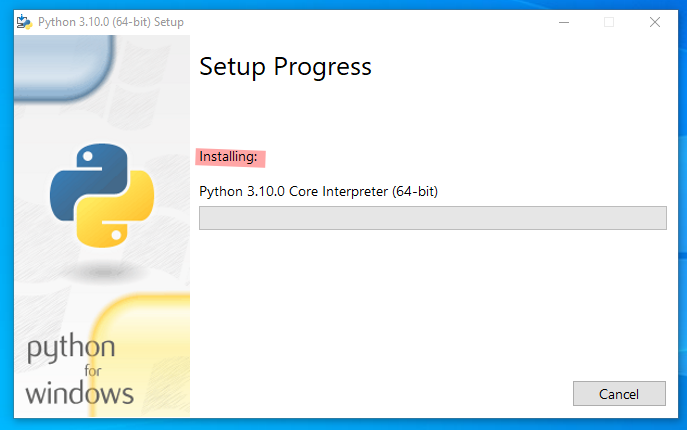
Once the download is complete, run the installer file. The process is slightly different depending on your operating system.
For Windows users: An important step! On the very first screen of the installer, make sure you check the box that says "Add Python to PATH". This little step makes it much easier to run Python from your computer's command line later on.
For macOS users: The installation is straightforward. Follow the on-screen prompts, and it will handle the rest. It's very similar to installing any other application on a Mac.
For Linux users: Many Linux distributions come with Python already installed. To check, open your terminal and type python3 --version. If you see a version number, you're all set. If not, you can usually install it with a simple command like sudo apt-get install python3 (for Debian/Ubuntu) or sudo dnf install python3 (for Fedora).
Setting Up Your Workshop
Now that you have the Python engine, you need a place to work. You could write code in a plain text editor, but it's much easier to use a tool designed for the job. This tool is called an Integrated Development Environment, or IDE.
IDE
noun
An application that provides programmers with all the tools they need to write, test, and debug software in one place. It typically includes a source code editor, build automation tools, and a debugger.
An IDE helps you by highlighting parts of your code, pointing out simple errors, and making it easy to run your programs. For beginners, a simple IDE is best. We'll use one called Thonny.
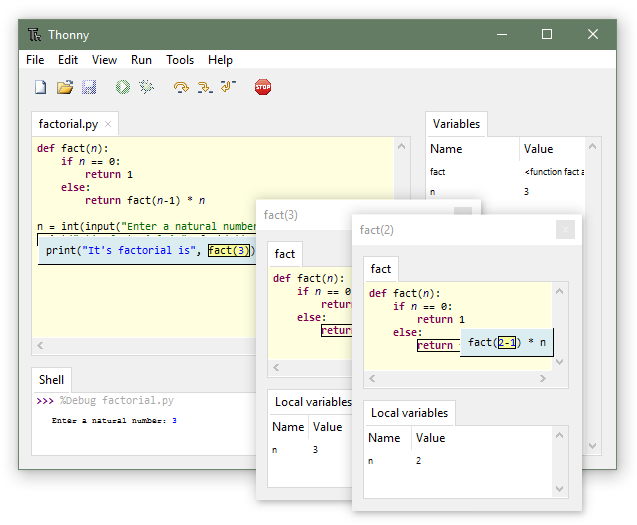
Thonny is perfect for learning because it's designed to show you what's happening with your code step-by-step. You can find the installer on its website, thonny.org. Just like with Python, download the version for your operating system and run the installer.
Testing Your Setup
With both Python and Thonny installed, it's time for a quick test to make sure everything works. This is a classic first step for any programmer.
Open Thonny. You'll see a main window for writing code (the editor) and a bottom window for seeing output (the shell). In the top editor window, type this single line of code:
print("Hello, world!")
Now, click the green "Run" button at the top (it looks like a play symbol). Thonny will ask you to save the file first. Name it something like hello.py and save it anywhere you like, such as your desktop.
After you save it, the code will run. In the shell window at the bottom, you should see the text Hello, world!. If you see that message, congratulations! Your installation was a success. You've just run your very first Python program.
Work on gaining a better understanding of the basics, like what text editors and Integrated Development Environments, or IDEs, are, and how you use them to work with Python.
Now you're ready to start exploring the language.
When installing Python on Windows, what is the crucial checkbox to select on the first screen of the installer?
On a Linux system, which command would you type into the terminal to check if Python is already installed?