Mastering Pricing Strategy
Introduction to Pricing
More Than Just a Number
Pricing is the process of determining what a company will receive in exchange for its products or services. A price is not just a sticker on a box; it's a powerful signal. It tells customers about your product's quality, your brand's position in the market, and the value you believe you're offering.
Your pricing strategy does more than set a number—it communicates value, positions your brand in the market, and plays a critical role in consumer psychology and purchasing decisions.
Think about it: pricing is the only part of the business that directly generates revenue. Everything else, from manufacturing and marketing to salaries and rent, is a cost. Getting the price right is crucial for profitability and long-term survival.
The Three Pillars of Pricing
Setting a price isn't guesswork. It's a strategic decision based on three key factors: your costs, your competition, and your customers' perception of value.
1. Costs This is your floor. At a minimum, your price needs to cover all the costs of making and selling your product, from raw materials to employee salaries. If you sell below your total cost, you lose money on every sale. It’s the starting point for any pricing decision.
2. Competition This is your reference point. What are other companies charging for similar products? Their prices give you a sense of what the market will bear. You can choose to price above, below, or right at the same level as your competitors, but you can't ignore what they're doing.
3. Customer Value This is your ceiling. The price of a product is ultimately determined by what a customer is willing to pay. This is based on the perceived value of your offering. If customers believe your product solves a major problem or provides a unique benefit, they'll be willing to pay more for it.
The most effective pricing strategies find the sweet spot where all three of these factors overlap.
How Price Shapes Behavior
Price has a direct impact on whether a customer decides to buy. A lower price might attract more buyers, but a higher price can signal premium quality and exclusivity. This psychological aspect of pricing is fascinating.
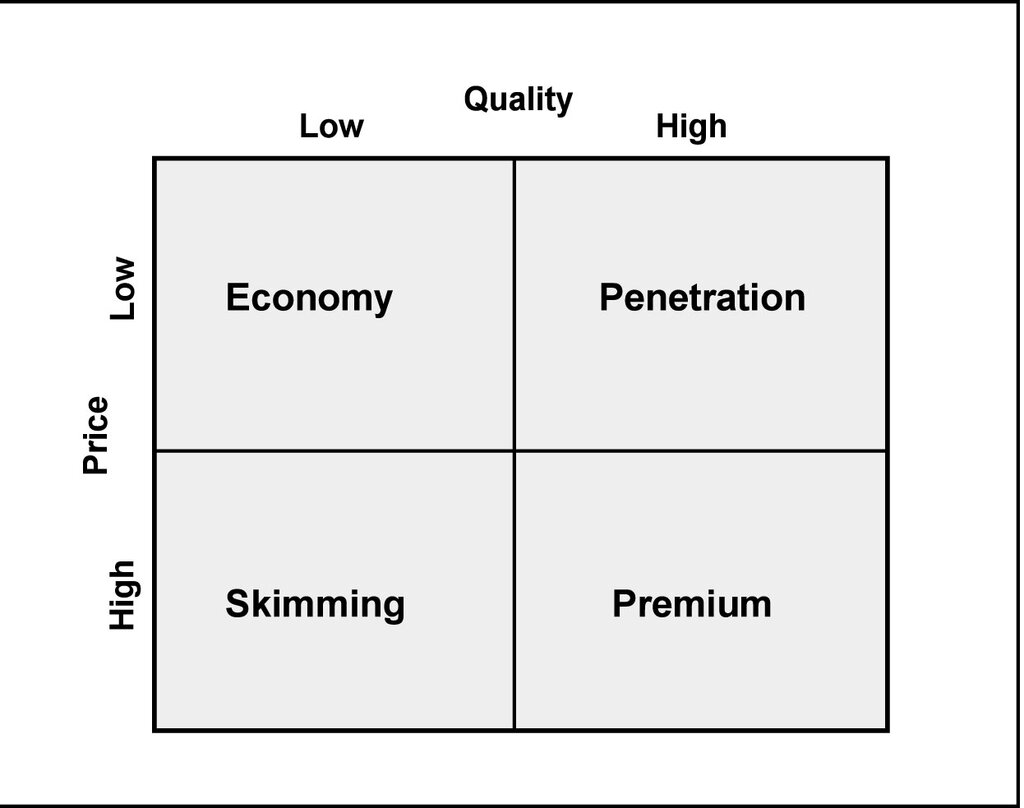
For example, many people associate a higher price with better quality. A $500 watch is perceived as being of higher quality than a $50 watch, even without knowing anything else about them. This allows companies to position themselves in the market. A company can choose a premium pricing strategy to target customers seeking the best, or an economy strategy to appeal to budget-conscious shoppers.
Even small details matter. Prices ending in .99, like $9.99, are perceived as significantly cheaper than the next round number, $10.00. This tactic, known as charm pricing, works because we read from left to right and the first digit anchors our perception of the price.
Understanding these dynamics helps businesses use pricing not just to make money, but to communicate with customers and build a brand.
Ready to test your understanding of these core concepts?
Which of the following business elements is unique in that it directly generates revenue, while others are considered costs?
In pricing strategy, your company's costs represent the...
Now that you've got the basics down, you're ready to explore specific pricing strategies.