Mastering MongoDB Questions and Answers
Introduction to MongoDB
What Is MongoDB?
Imagine a filing cabinet where each folder can hold wildly different types of information. One folder might have a single typed page, another might contain photos, receipts, and handwritten notes all bundled together. This is the basic idea behind MongoDB.
MongoDB is a type of database known as NoSQL, which stands for "not only SQL." Unlike traditional relational databases (like MySQL or PostgreSQL) that store data in rigid tables with rows and columns, MongoDB stores data in flexible, JSON-like documents. Think of a document as a self-contained unit of information, where all related data is kept together.
MongoDB: A NoSQL database that stores data in JSON-like documents, providing flexibility and scalability.
For example, instead of storing a user's information across multiple tables (a users table, a profiles table, an addresses table), MongoDB can store all of that information in a single user document.
{
  "_id": "user123",
  "username": "jdoe",
  "email": "jdoe@example.com",
  "address": {
    "street": "123 Maple St",
    "city": "Anytown"
  },
  "interests": ["hiking", "photography", "cooking"]
}
This document-based approach is one of MongoDB's defining characteristics and is the source of many of its advantages.
Key Features
MongoDB's design makes it well-suited for modern applications. Three of its most important features are its flexible schema, scalability, and performance.
Flexible Schema With a traditional SQL database, you must define your table structure—the columns and their data types—before you can add any data. If your application's needs change, altering that structure can be a complex and risky process. MongoDB has a flexible schema, meaning documents in the same collection don't need to have the same set of fields. This makes it much easier to evolve your application over time.
This is especially useful for startups or projects where data requirements change rapidly. You can add new fields as you go without having to restructure the entire database.
MongoDB’s flexible, document-based schema design provides significant advantages in managing complex, dynamic data models.
Another core feature is scalability. Databases can scale in two ways: vertically or horizontally. Vertical scaling means adding more power (CPU, RAM) to an existing server—like upgrading from a sedan to a sports car. It's powerful, but it gets very expensive and has a limit.
Horizontal scaling, or "sharding," means distributing your data across multiple servers—like adding more cars to your fleet instead of just upgrading one. This is MongoDB's specialty. It can handle massive amounts of data by splitting it across many cheaper, commodity machines, making it highly scalable for large applications.
Finally, MongoDB is built for performance. By keeping related data together in a single document, it can often retrieve all the information needed for a query in a single read operation. This avoids the complex "joins" that are common in SQL databases, which can slow down queries, especially with large datasets.
Common Use Cases
MongoDB's flexibility and scalability make it a popular choice for a wide variety of modern applications.
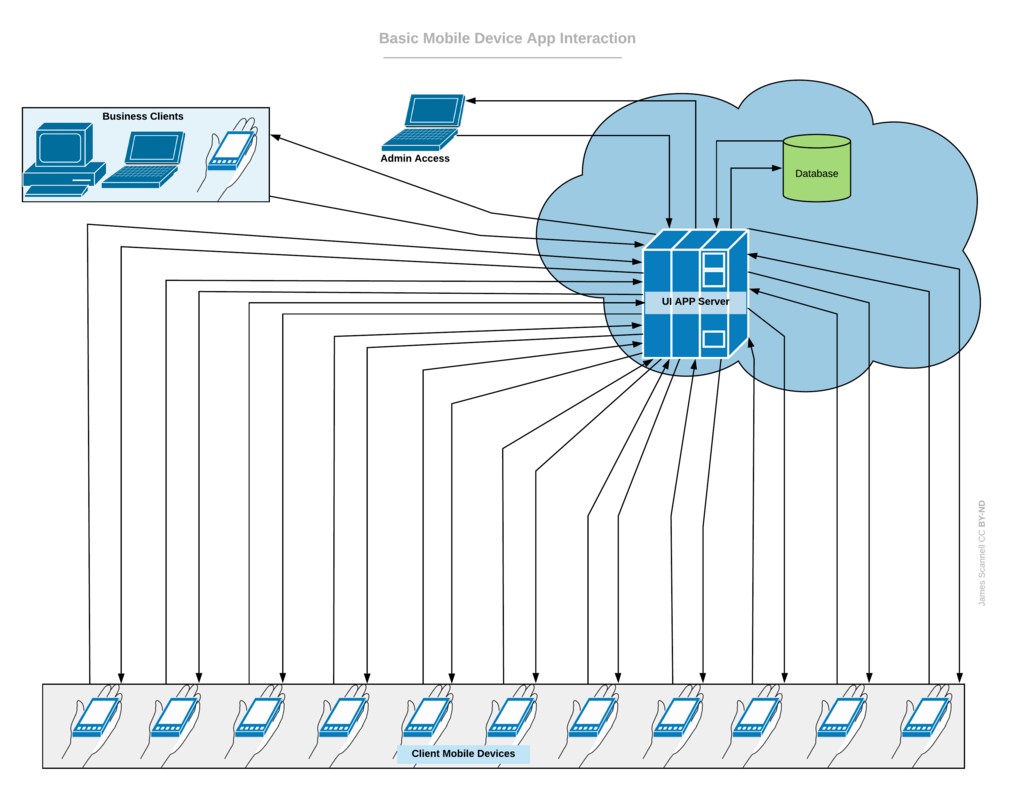
Some common use cases include:
- Content Management Systems: Storing articles, blog posts, and user comments is easy with a flexible document model.
- Real-Time Analytics: It can quickly ingest and process large streams of data from sources like IoT devices or website user activity.
- E-commerce Platforms: Product catalogs, which often have varied and complex attributes, fit naturally into a document structure. Shopping carts and user profiles are also great fits.
- Social Media Applications: Storing user profiles, posts, comments, and connections is a task well-suited for a document database that can scale to millions of users.
Because of its strengths in handling large volumes of unstructured data and its schema-less design, MongoDB has become a go-to database for applications where speed, agility, and scale are top priorities.
With the rise of big data and real-time applications, NoSQL databases have become popular due to their ability to handle large volumes of unstructured data and their flexible schema design.
Let's test your understanding of these foundational concepts.
What is the fundamental data model used by MongoDB?
A startup is rapidly developing a new social media app. They anticipate that user profile requirements will change frequently as they add new features. Why is MongoDB's flexible schema a significant advantage in this scenario?
This introduction covers the 'what' and 'why' of MongoDB. Next, we'll dive into how to actually interact with the database.