Mastering Miso Sea Bass with Bacon Salsa
Miso Selection and Chemistry
Miso's Culinary Magic
Miso is much more than a simple flavoring paste. At a biochemical level, it's a powerful tool for transforming ingredients, especially delicate seafood. The magic comes from fermentation, a process where microorganisms break down soybeans, rice, or barley. This process cultivates a host of active compounds, including , which are crucial for marinating fish.
These enzymes act as tenderizers, breaking down the complex proteins in the fish into smaller, more flavorful amino acids. This not only softens the texture of the fish but also deepens its savory, or umami, character. The longer fermentation period of some misos results in more intense enzymatic activity and a more complex flavor profile.
Shiro vs. Aka Miso
Not all misos are created equal. The two most common categories are Shiro (white) and Aka (red) miso. Their differences in flavor, color, and texture stem directly from their ingredients and fermentation time.
| Feature | Shiro (White) Miso | Aka (Red) Miso |
|---|---|---|
| Fermentation | Short (few weeks to months) | Long (6 months to years) |
| Key Ingredient | Higher ratio of rice | Higher ratio of soybeans |
| Salt Content | Lower | Higher |
| Sugar Content | Higher | Lower |
| Flavor Profile | Sweet, mild, mellow | Salty, pungent, bold |
The key takeaway is the sugar-to-salt ratio. Shiro miso's short fermentation and high rice content leave more sugars intact, resulting in a sweeter, less aggressive paste. Aka miso's extended fermentation breaks down more of the base ingredients, developing a deep, salty flavor and a dark, rich color.
The Perfect Pairing
For a rich, fatty fish like Chilean sea bass, Shiro miso is the superior choice. Its mellow sweetness and lower salt content complement the buttery flavor of the fish without overpowering it. The higher sugar content also plays a critical role during cooking, especially when searing.
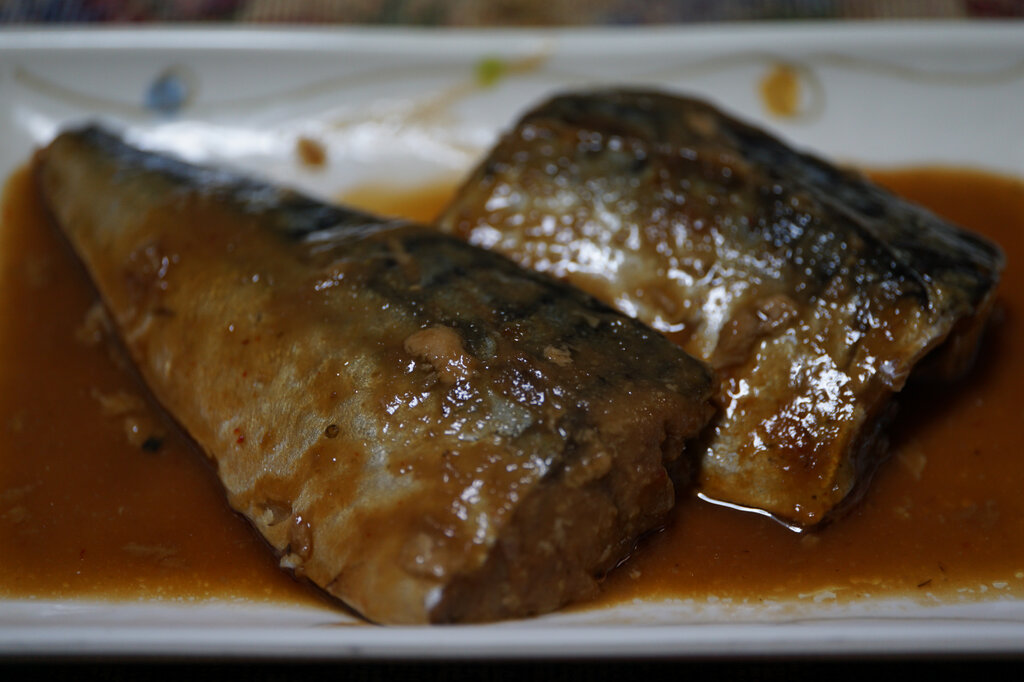
When heat is applied, the sugars in the Shiro miso marinade engage in the , the same chemical process responsible for the browning on bread crust and seared steak. This creates a beautifully caramelized, savory crust on the sea bass, adding a layer of complex flavor and an appealing visual contrast to the tender flesh inside. The intense saltiness of Aka miso, on the other hand, would draw out too much moisture and could easily burn before the fish is properly cooked.
This leads to umami synergy. The natural richness of the sea bass fat balances the sweetness of the white miso, while the amino acids developed during fermentation enhance the fish's own savory notes. It's a pairing where each component elevates the other.
Umami and Fermentation
The source of miso's signature umami flavor is the fermentation process, driven by a specific mold called Aspergillus oryzae, or in Japanese. Koji is first cultivated on grains like rice or barley. When this koji-inoculated grain is mixed with cooked soybeans, salt, and water, its enzymes get to work.
The protease enzymes break down soybean proteins into amino acids, most notably glutamate. At the same time, amylase enzymes break down the grain's starches into simple sugars. This combination of savory glutamate and subtle sweetness is the very definition of umami. A well-made miso marinade essentially pre-digests the surface of the fish, loading it with these flavor-enhancing compounds before it ever hits the pan.
Adding a layer of butter between the skin and flesh makes it super delicious... but why use plain butter when you can make miso butter?
Now that you understand the science behind choosing the right miso, let's test your knowledge.
What is the primary function of protease enzymes in a miso marinade when applied to fish?
The key mold responsible for the fermentation process in miso, which breaks down soybeans and grains, is known as...
By understanding the biochemical roles of sugar, salt, and enzymes, you can move beyond simply following recipes and start making informed culinary decisions.