Mastering Language Acquisition
Understanding Language Acquisition
How We Learn Language
Learning a new language isn't just about memorizing lists of words and grammar rules. It's a deep cognitive process. Your brain is a natural pattern-finding machine. When you were a baby, you didn't study flashcards to learn your first language. You listened, observed, and your brain slowly pieced together the sounds, meanings, and structures.
Acquiring a second language as an adult uses many of the same mental muscles. While adults often try to learn through explicit instruction, the most effective learning happens when we allow our brains to do what they do best: absorb information, identify patterns, and build connections implicitly. This process involves creating new neural pathways to understand and produce a different system of communication.
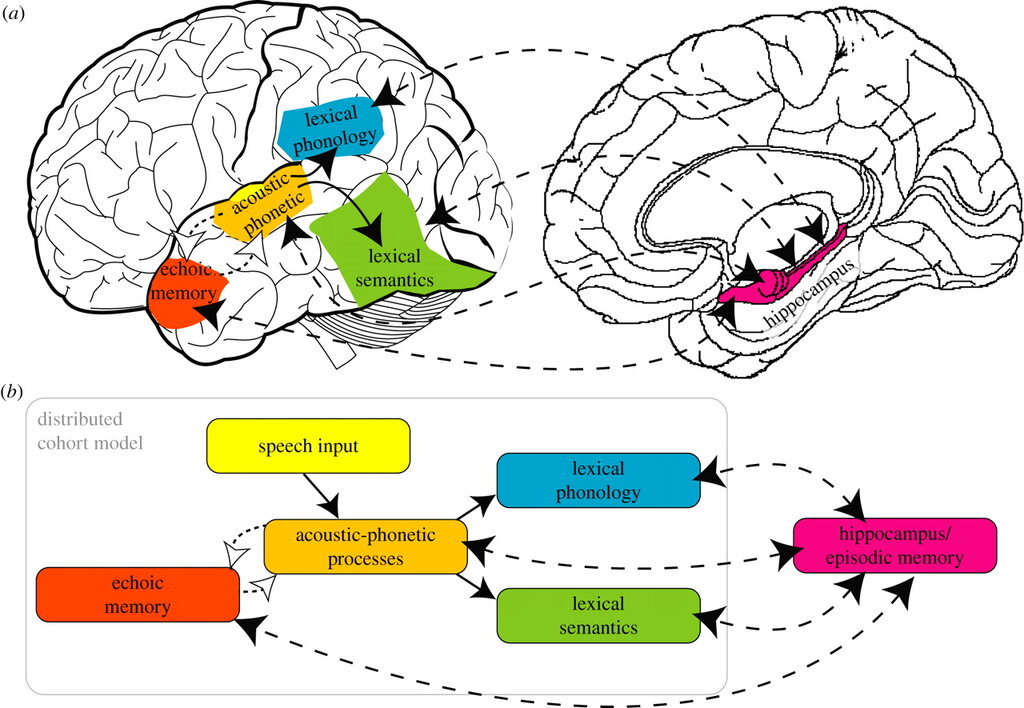
The key is to move beyond thinking of language as a set of facts to be memorized and instead treat it as a skill to be developed through experience. It’s about building a new mental framework, not just filling an old one with new words.
The Power of Immersion
Immersion is the idea of surrounding yourself with a new language. This doesn't mean you have to move to another country. It means creating an environment where your brain is constantly exposed to the language you want to learn. You can do this by watching movies, listening to music, or even changing the language settings on your phone.
Why does this work so well? Immersion forces your brain to stop translating. When you hear a word or phrase, you learn to connect it directly to the concept it represents, rather than filtering it through your native tongue. This direct connection is crucial for thinking in a new language and achieving true fluency. It’s the difference between reading a book about how to swim and actually getting in the water.
Immersion is one of the most effective ways to learn a new language.
This constant exposure helps you internalize the rhythm, intonation, and natural flow of speech—things that are difficult to learn from a textbook.
Context and Interaction
Words rarely exist in isolation. Their meanings are shaped by the sentences they're in, the situation they're used in, and the culture they come from. Learning vocabulary from a list is like collecting puzzle pieces without ever seeing the picture on the box. You might have the pieces, but you don't know how they fit together.
Contextual learning means encountering new words and grammar within a meaningful situation. When you learn the word for “apple” by seeing a picture of one or by buying one at a market, the connection your brain makes is much stronger than just seeing the word next to its translation.
Learning a word in a real sentence is far more effective than memorizing it from a list.
This is where interaction comes in. Real conversations provide the richest context of all. Talking with native speakers, even if you make mistakes, creates a powerful feedback loop. You try to express an idea, you get a response, and you learn from the exchange. This active, trial-and-error process is what solidifies your understanding and builds the confidence to actually use the language.
This is why trying to speak from day one is so important. Interaction turns passive knowledge into an active skill. It connects the dots between what you know and what you can do.
Now, let's test your understanding of these core principles.
According to the text, what is the most effective way for the brain to learn a new language?
What is the primary goal of language immersion?