Mastering Inbox Zero with Email Automation
Understanding Email Overload
The Weight of Your Inbox
Does opening your email feel like a chore? For many people, an inbox is less of a communication tool and more of a source of anxiety. It’s a constant stream of notifications, newsletters, meeting requests, and urgent demands. Each new message adds a little more weight, creating a digital pile that feels impossible to sort through.
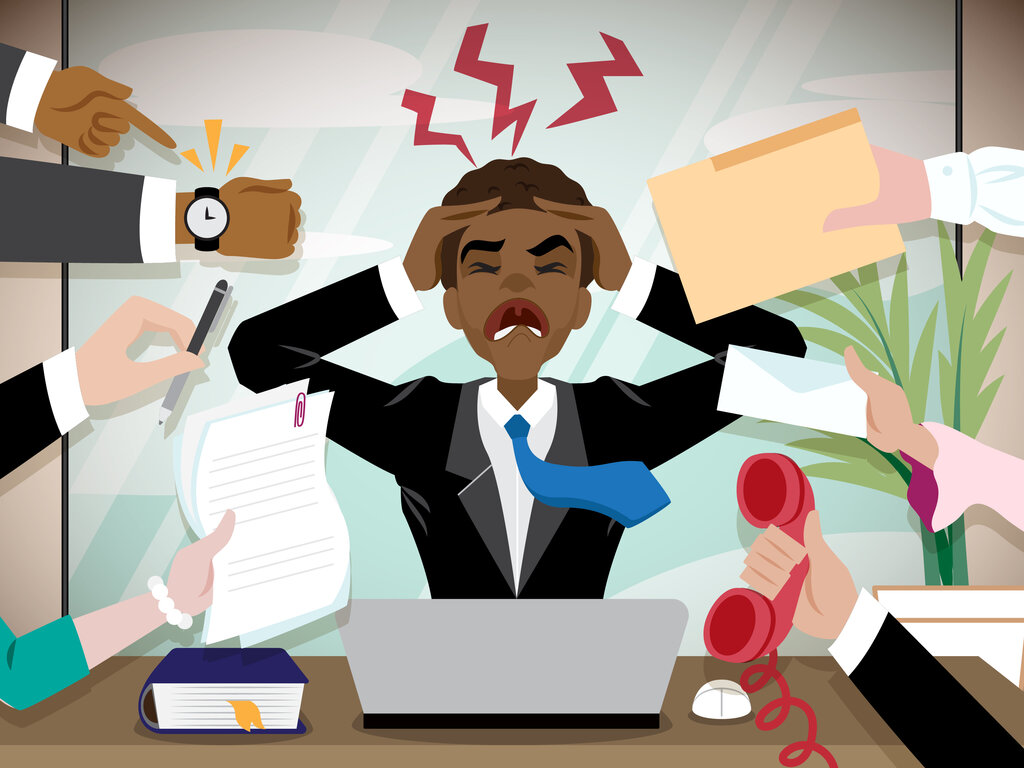
This feeling has a name: email overload. It happens when the volume and frequency of emails exceed your ability to manage them effectively. It's not just about having a lot of messages. It’s about the mental drain that comes from constantly sorting, prioritizing, and responding to a never-ending flow of information.
More Than Just a Mess
A cluttered inbox does more than just look disorganized. It directly impacts your work and well-being.
First, it harms your productivity. Every time a notification pops up, it pulls your attention away from what you're doing. This is called context switching. Even if you don't respond right away, your brain has already shifted gears, and it takes time and energy to get back on track. A full inbox encourages this behavior, tempting you to check it constantly to make sure you haven't missed anything important.
Second, it increases stress. An inbox filled with unread messages acts as a constant visual reminder of unfinished work. It creates a sense of obligation and the nagging fear that something critical is buried under a pile of promotions and newsletters. This can lead to feelings of being overwhelmed and out of control.
An overstuffed email inbox can cause a lot of stress, and if our unread emails continue to pile up, the anxiety will, too.
How Did We Get Here?
Email overload doesn't happen overnight. It’s the result of small habits and a lack of systems that accumulate over time. There are a few common culprits.
| Cause | The Problem It Creates |
|---|---|
| Excessive Subscriptions | Promotional emails, social media notifications, and newsletters bury important messages. |
| Lack of Filtering | Everything lands in one place, forcing you to manually sort urgent tasks from junk mail. |
| Inefficient Habits | Using your inbox as a to-do list or rereading emails without taking action creates clutter and confusion. |
Many people use their inbox as a catch-all for tasks, reminders, and files. This makes it nearly impossible to distinguish between what needs immediate attention and what can wait. When every message seems equally important, it’s easy to feel paralyzed.
Recognizing these patterns is the first step toward taking back control. By understanding the causes of email overload, you can begin to build a system that works for you, not against you. The goal is to make your inbox a tool for productivity again, not a source of stress.