Mastering French Press Coffee
Introduction to French Press
The Classic French Press
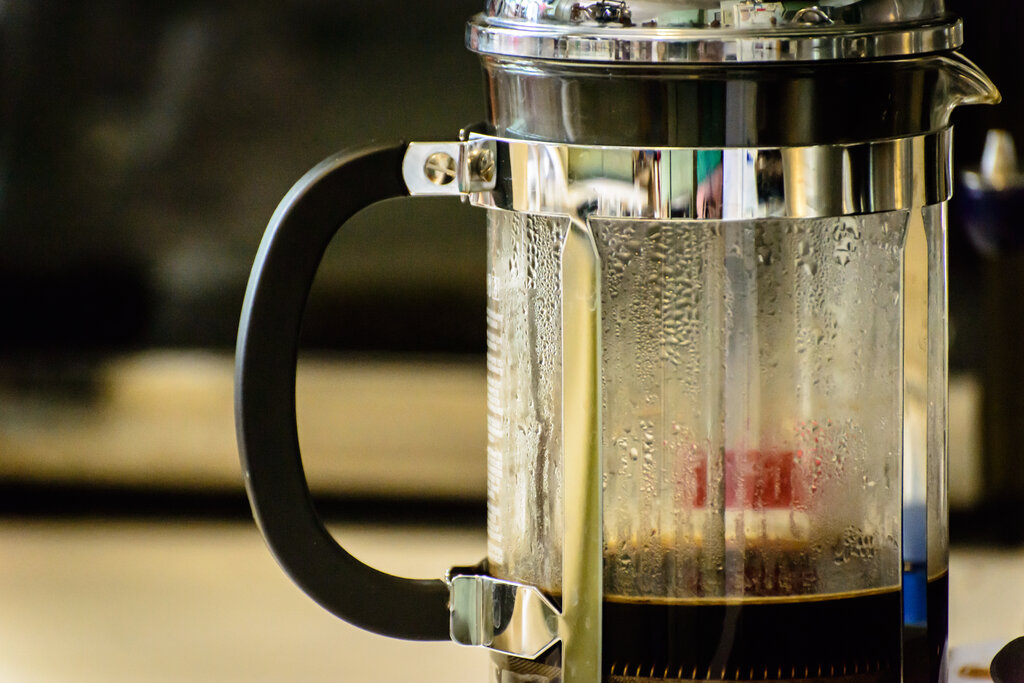
The French press is a classic for a reason. For many coffee lovers, it's the go-to method for a rich, heavy-bodied cup. Unlike methods that use paper filters, the French press steeps coffee grounds directly in hot water, a technique called immersion brewing. This simple process extracts a fantastic amount of flavor and aroma from the beans.
A Contested History
Despite its name, the true origin of the French press is a bit of a debate. The earliest concepts appeared in France in the mid-1800s. An early design was patented by two Frenchmen, Mayer and Delforge, in 1852. However, the press we recognize today, with its familiar plunger and seal, was patented by Italian designers Attilio Calimani and Giulio Moneta in 1929. The design was further popularized by a Swiss company and a Danish company, Bodum, which helped make it a household staple worldwide.
Anatomy of the Brewer
The elegance of the French press lies in its simplicity. It consists of just a few key parts that work together to brew coffee.
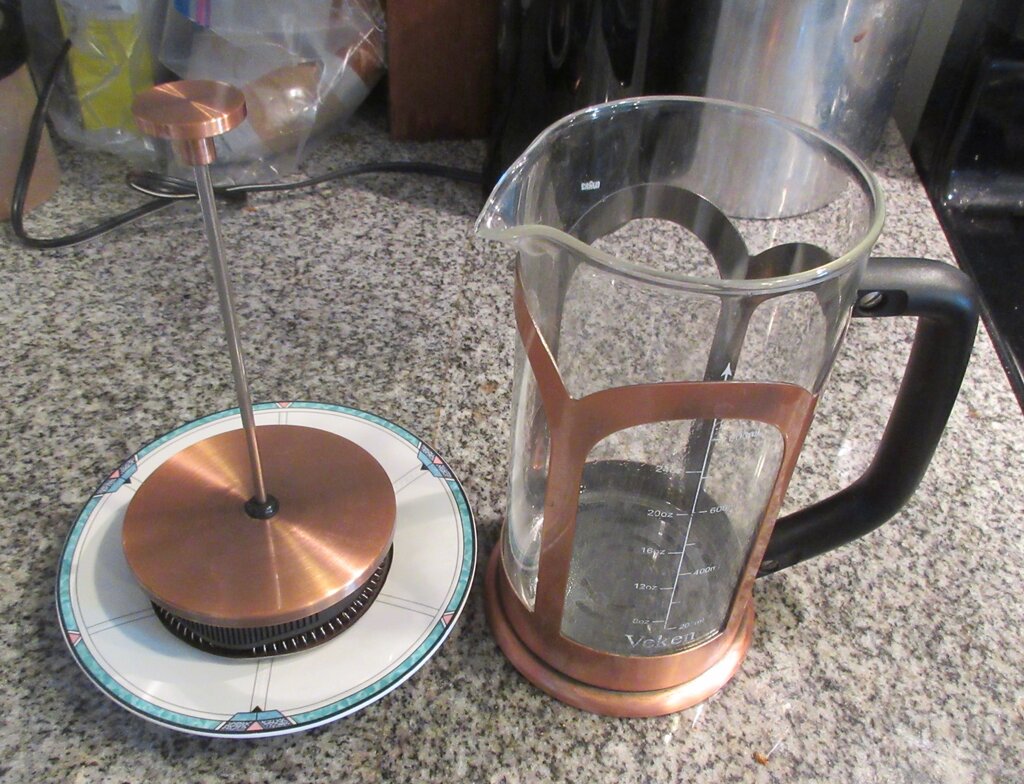
The main body is the carafe, a cylindrical pot typically made of glass, ceramic, or stainless steel. This is where the coffee and water mingle.
The plunger is a three-part assembly. It has a lid, a long rod, and a filter attached to the bottom. After the coffee has steeped, you press the plunger down. This separates the brewed coffee on top from the spent grounds at the bottom.
The most important part is the filter screen. It's usually a fine stainless steel mesh. This screen is what allows the rich coffee oils and microscopic particles to pass into your cup, which gives French press coffee its signature full-bodied texture and robust flavor. Paper filters, in contrast, tend to absorb these oils.
Flavor and Control
The main advantage of the French press is the quality of the coffee it produces. Because there's no paper filter, all the flavorful oils in the coffee beans end up in your cup. This results in a brew that is often described as rich, smooth, and heavy.
With no substrate between the coffee and water in the French Press, all of the coffee’s component molecules pass into the cup and no additional flavors pass through.
Another benefit is control. With a French press, you are in charge of every variable. You control the water temperature, the amount of coffee grounds, and most importantly, the steep time. This allows you to tailor the brew to your exact preferences, making the process both a science and an art.
What is the primary brewing technique used by a French press?
Why does coffee from a French press have a signature heavy-bodied texture?
With its simple design and ability to produce a deeply flavorful cup, it's clear why the French press has remained a favorite among coffee enthusiasts for decades.