Mastering Finals with Spaced Repetition
Understanding Spaced Repetition
The Forgetting Curve
Have you ever crammed for a test, felt confident you knew everything, and then forgotten most of it a week later? You’re not alone. This is a universal human experience, and it has a name: the forgetting curve. Back in the late 19th century, a psychologist named Hermann Ebbinghaus discovered that our memory for new information fades over time in a predictable pattern. Without any effort to retain it, we lose a huge chunk of what we learn within hours or days.
The graph shows this steep drop-off. Immediately after learning something new, your retention is at 100%. But after just one day, it can plummet to 50% or lower. After a week, you might only remember a fraction of the original information. This isn't a personal failing; it's just how our brains are wired to work. To hold onto knowledge, we need to signal to our brain that it's important.
Spacing Out Your Learning
So how do you fight the forgetting curve? The most effective method is called spaced repetition. It’s a learning technique where you review information at increasing intervals over time. Instead of cramming, you deliberately space out your review sessions.
The idea is to catch the memory just as it's starting to fade. The first review might be a day after you first learn something. The next review could be three days later, then a week, then a month. Each time you successfully recall the information, you reinforce the neural pathways, making the memory stronger and more durable.
Spaced repetition is a learning technique that involves reviewing information at strategically increasing intervals over time.
By timing the reviews this way, you interrupt the forgetting process at the most efficient moments. You’re not wasting time reviewing things you already know well, and you’re not waiting so long that you have to completely relearn the material.
Benefits and Applications
The primary benefit of spaced repetition is powerful long-term retention. Information moves from your fragile short-term memory to your robust long-term memory. Because the reviews are targeted at the moment of forgetting, the learning process is also highly efficient. You can learn more material in less total study time compared to methods like rereading or cramming.
This technique isn't just a theory; it's a practical tool used in many fields. Language learners use it to memorize thousands of vocabulary words. Medical students rely on it to remember complex anatomical terms and pharmaceutical details. Programmers use it to retain syntax and commands for different coding languages. Essentially, it's effective for any subject that requires you to recall a large body of factual information.
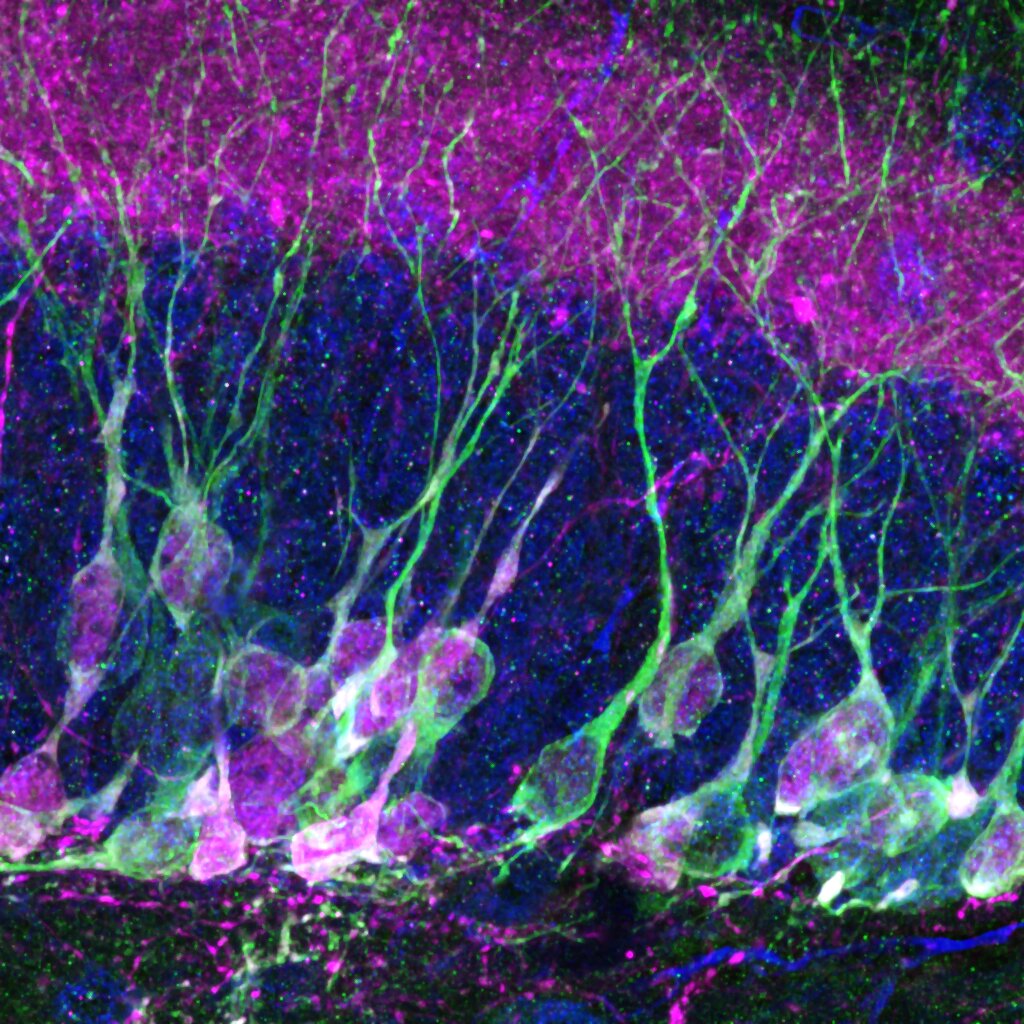
Ultimately, spaced repetition works because it's aligned with how our brains naturally learn and forget. Each spaced review strengthens the connections between neurons, building a more stable and accessible memory over time.
Ready to check your understanding? Let's see what you've learned about how your memory works.
According to the forgetting curve, what is the most likely outcome if you learn new information and do not review it?
The primary goal of spaced repetition is to review material just as you are about to forget it.
By understanding the natural process of forgetting, we can use simple techniques like spaced repetition to learn more effectively and build lasting knowledge.