Mastering Dynamic Creative Optimization
Introduction to Digital Advertising
What Is Digital Advertising?
At its core, digital advertising is simply promoting products or services using electronic devices and the internet. Think of it as the modern version of a newspaper ad or a billboard, but with a few superpowers. Instead of showing the same message to everyone, digital ads can be tailored to specific people based on their interests, location, or online behavior. This ability to target and measure is what makes it so powerful.
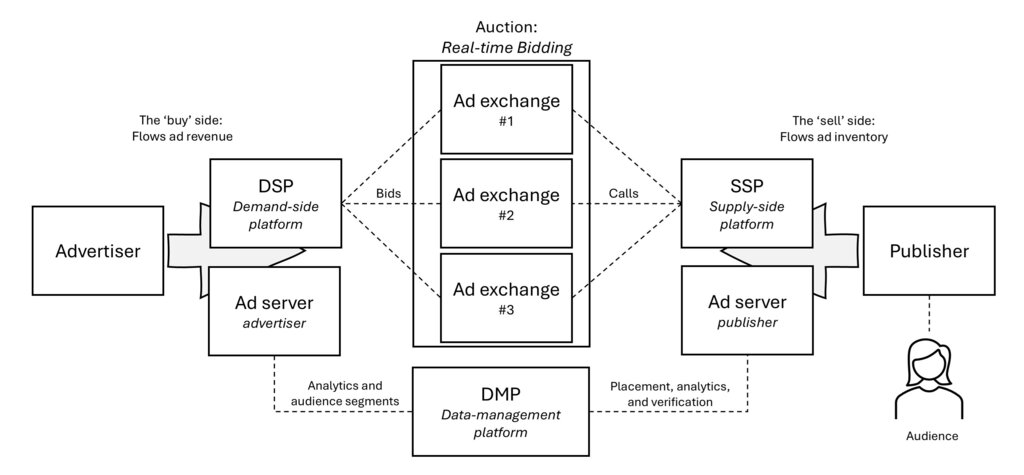
This whole system involves three key players: advertisers who want to sell something, publishers (like websites and apps) who have space to show ads, and the users who see them. It all happens in the blink of an eye through a complex, automated process.
Where Ads Appear Online
Digital ads come in many forms and pop up in various places. The most common channels are display, search, and social media.
Display advertising refers to visual ads, like banners or images, that you see on websites, apps, and videos.
You’ve seen these countless times. They're the banner ads at the top of a news site or the video ad that plays before a YouTube clip. Their main goal is often to build brand awareness, like a digital billboard.

Search advertising, or search engine marketing (SEM), involves placing ads within search engine results.
When you google “running shoes,” the first few results are often ads. Advertisers bid on keywords, and when you search for those terms, their ads appear. This is a powerful way to reach people who are actively looking for a specific product or service.
Social media advertising places ads on social networks like Facebook, Instagram, Twitter, and LinkedIn.
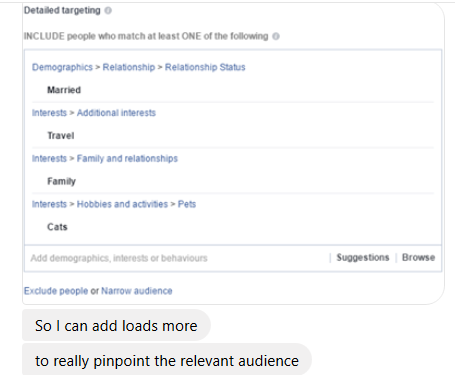
These platforms collect a huge amount of data about their users, which allows for incredibly specific targeting. An advertiser can show ads to people based on their age, location, hobbies, or even life events like getting engaged or starting a new job. This precision helps businesses reach the exact audience they think will be most interested in their products.
How We Measure Success
Unlike a billboard on the highway, every part of a digital ad campaign can be measured. This allows advertisers to see what's working and what isn't, and to adjust their strategy accordingly. A few key terms are essential to know.
Impression
noun
Each time an ad is displayed on a screen, it counts as one impression. It doesn't mean the person saw or interacted with it, just that it was loaded on the page.
Click
noun
When a user clicks on an ad to visit the advertiser's website or landing page.
Conversion
noun
When a user completes a desired action after clicking an ad, such as making a purchase, signing up for a newsletter, or filling out a form.
These basic counts are used to calculate other important metrics that help measure an ad's performance. Here are some of the most common ones:
| Metric | Abbreviation | What it Measures |
|---|---|---|
| Click-Through Rate | CTR | The percentage of impressions that result in a click. |
| Cost Per Click | CPC | The amount an advertiser pays for each click on their ad. |
| Cost Per Acquisition | CPA | The cost of acquiring one customer (a conversion). |
| Return on Ad Spend | ROAS | The total revenue generated for every dollar spent on advertising. |
For example, Click-Through Rate (CTR) is a key indicator of how relevant and engaging an ad is to its audience. A high CTR means a high percentage of people who see the ad are clicking on it. It's calculated with a simple formula:
Understanding these channels and metrics is the first step in building effective digital advertising campaigns. Now, let's see what you've learned.
What is the primary advantage of digital advertising compared to traditional methods like newspaper ads or billboards?
An advertiser wants to reach people who are actively searching for 'best running shoes'. Which digital advertising channel would be most effective for this goal?
With these fundamentals in place, you're ready to explore more advanced topics in the world of digital ads.