Mastering DJ Scratch Techniques
Introduction to DJ Equipment
The Core Gear
To start scratching, you need three key pieces of hardware: two turntables, a mixer, and some vinyl records. Think of it like a band. The turntables are the instruments, the records are the sheet music, and the mixer is where you blend it all together.
Turntables
The turntable is where the sound originates. Its main job is to spin a record at a consistent speed while a needle, or stylus, reads the grooves. For scratching, not just any turntable will do. You need a direct-drive model, not a belt-drive.
In a direct-drive turntable, the motor is connected directly to the platter (the part that spins). This gives it high torque, meaning it gets up to speed quickly and can handle being pushed, pulled, and stopped without damaging the motor. Belt-drive turntables have a rubber belt connecting the motor to the platter, which is great for listening but too fragile for the rigors of scratching.
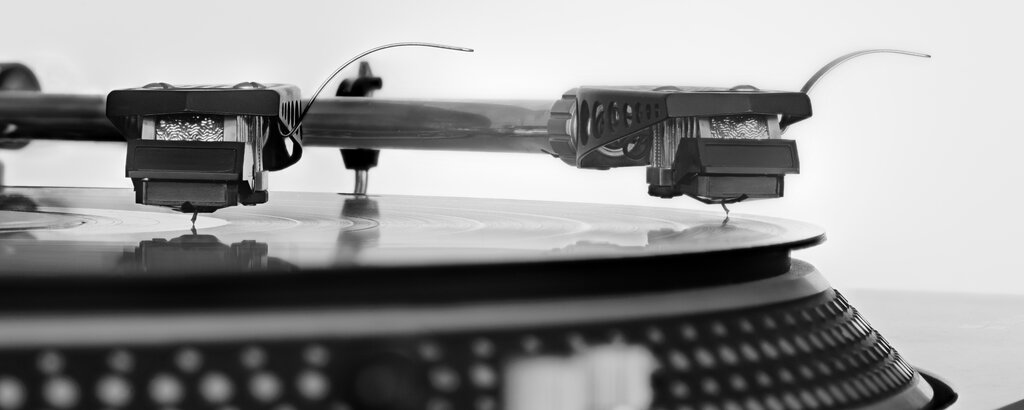
Key parts to know:
- Platter: The rotating plate where the record sits.
- Tonearm: The arm that holds the cartridge and stylus. It needs to be properly balanced.
- Cartridge & Stylus: The stylus (needle) sits in the record groove. It vibrates as it moves, and the cartridge converts these vibrations into an electrical signal.
The Mixer
The mixer is the command center of your setup. It takes the audio signals from both turntables and lets you control what the audience hears. You can adjust volume, tweak frequencies, and, most importantly, cut between the two sound sources.
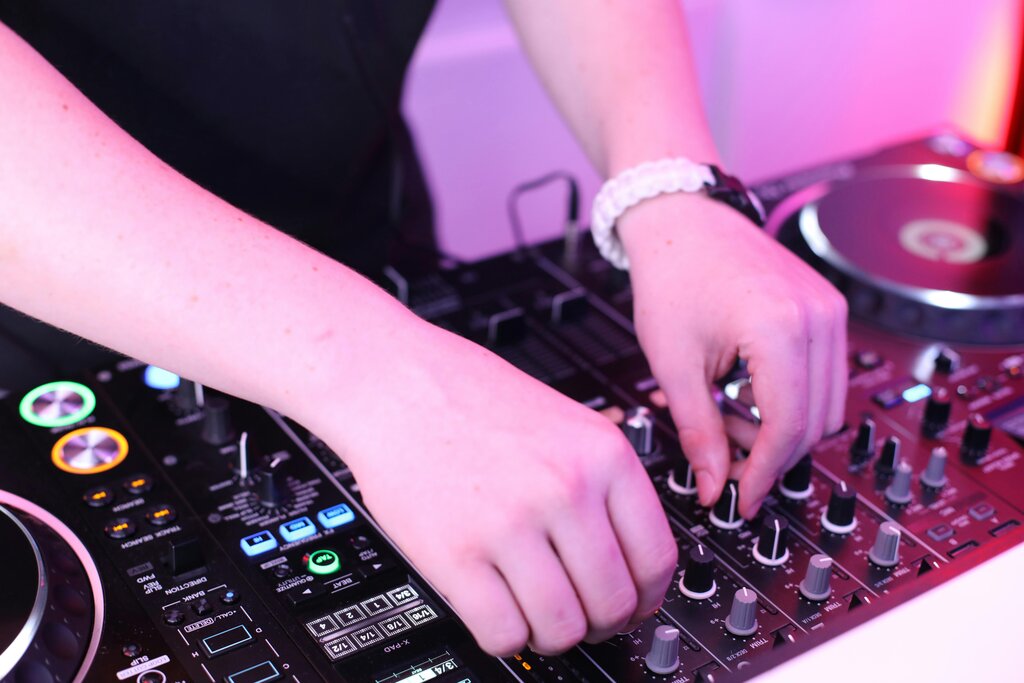
For scratching, the most important control on the mixer is the crossfader. This is a horizontal slider that allows you to transition smoothly or cut sharply between the left and right turntables. Quick, rhythmic movements of the crossfader, combined with manipulating the record, create the iconic sounds of scratching.
The crossfader is your primary tool for creating scratch patterns. It determines whether a sound from a turntable is on or off.
Other key controls include:
- Upfaders (Channel Faders): Vertical sliders that control the volume of each individual turntable.
- EQ Knobs: These control the bass, mid, and treble frequencies for each channel, allowing you to shape the sound.
Vinyl and Setup
You can scratch with any vinyl record, but DJs often use specific records called "battle records" or "scratch tools." These are pressed with samples, sounds, and beat loops designed specifically for scratching. The classic "Ahh" and "Fresh" samples are staples found on many of these records.
Caring for your records is simple: keep them clean and store them upright in their sleeves. A dusty record not only sounds bad but can also damage your stylus.
Connecting your gear follows a straightforward path. The audio signal flows from the turntable, into the mixer, and then out to your speakers or headphones. Each turntable plugs into a separate channel on the mixer.
Finally, proper calibration is key. You'll need to adjust the weight of your tonearm and the anti-skate setting. Too much weight can damage your records, while too little will cause the needle to skip, especially during aggressive scratches. Your turntable's manual will have specific instructions for this simple but crucial process. A clean stylus and properly calibrated gear will give you the best sound and protect your equipment for years to come.
What are the three essential pieces of hardware needed to start a basic vinyl scratching setup?
For scratching, a direct-drive turntable is required because its motor is connected directly to the platter.