Mastering Digital Products from Scratch
Digital Value Propositions
The Zero-Cost Copy
When you sell a physical product, like a t-shirt, every sale has a clear cost. You pay for the cotton, the manufacturing, and the shipping for each individual shirt. If you want to sell a million shirts, you need to make a million shirts, and each one adds to your total cost.
Digital products break this rule. Creating the first copy of a software application, an e-book, or a video course might be expensive. But the cost of creating the second, third, or millionth copy is practically zero. This is the concept of near-zero marginal cost of reproduction. Once the initial work is done, distributing it to one more person costs next to nothing.
This economic shift is fundamental. You're no longer selling individual, costly units. You're selling access to a single asset that can be duplicated infinitely without losing quality.
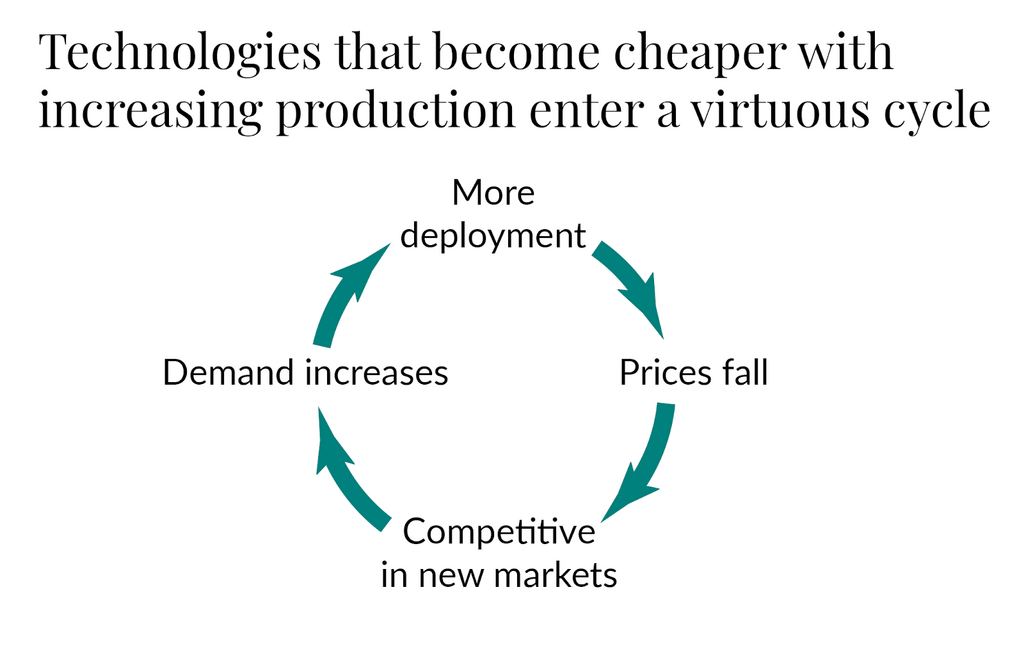
This property leads directly to immense scalability. A small team can create a digital product that serves millions of customers globally. There's no warehouse to manage, no supply chain to secure, and no physical inventory to track. The business model shifts from manufacturing and logistics to development and maintenance.
Scarcity by Design
Physical goods are inherently scarce. There's a limited amount of gold on Earth, a finite number of seats in a stadium. Their value is often tied directly to this rarity.
Digital goods, by contrast, are naturally abundant. A PDF file can be copied endlessly with perfect fidelity. So, how do you create value? Instead of relying on natural scarcity, value is created through utility and sometimes, by designing artificial scarcity. A software license, for instance, is a man-made limitation that grants a single user the right to use an infinitely reproducible product. The value isn't in the code itself, which could be copied, but in the license that makes its use legitimate and provides access to updates and support.
The focus shifts from owning a tangible object to having access to a specific utility. You don't buy a project management tool because you want to own the code; you buy it because it helps you organize your work, save time, and collaborate with your team. The value is in the job it does for you.
Value in Connection
Some of the most powerful digital products derive their value not just from their features, but from the number of people using them. This is the power of network effects—the product becomes more useful as more people join.
A telephone is useless if you're the only person who has one. It becomes incredibly valuable when everyone you know has one, too. The same is true for social networks, online marketplaces, and collaborative software. Each new user adds a small amount of value to the entire network.
This principle fundamentally changes how businesses approach growth. Acquiring a new user isn't just one more sale; it's an investment that enhances the product's value for everyone. This dynamic explains the "land grab" strategy of many tech startups, where the initial focus is on rapid user acquisition, often at a financial loss, to build an unbeatable network before competitors can.
Architecting for Infinity
The promise of infinite scalability isn't automatic. It requires a specific technical architecture built for mass distribution. You can't just put a file on a single server and expect it to handle millions of downloads without crashing. Supporting a global user base requires an infrastructure that can deliver content and services reliably and quickly, no matter where the user is.
This is where technologies like Content Delivery Networks (CDNs) and cloud computing platforms (like AWS or Azure) become essential. A CDN distributes copies of your digital asset across servers worldwide, so a user in Japan downloads it from a local server, not one in California. This reduces latency and ensures the experience doesn't degrade as the user base grows. The underlying architecture must be designed from the ground up to handle massive, often unpredictable, demand without a single point of failure.
Using agile cycles, digital products are launched, refined, and supported — building value across the long term.
This infrastructure is what makes the economic model of digital products possible. It's the hidden machinery that allows a company to honor the promise of instant, reliable access for every customer, turning the concept of near-zero marginal cost into a practical reality.
What does the concept of "near-zero marginal cost of reproduction" mean for digital products?
A new social media app becomes significantly more useful to its users as more people sign up and start posting content. This phenomenon is a direct example of:
Understanding these core principles—marginal cost, engineered scarcity, and network effects—is the key to grasping why digital economies operate so differently from the physical world.