Mastering Decision Making
Understanding Decision-Making
The Art of Choosing
Every day, you make hundreds of choices. Some are small, like what to eat for breakfast. Others are big, like which career path to follow. Decision-making is the mental process of selecting a course of action from a set of alternatives. It’s a fundamental skill that shapes our lives, yet we often do it without much thought.
Decision-Making
noun
The cognitive process of selecting a belief or a course of action from among several alternative possibilities.
At its core, every decision involves weighing inputs, considering potential outcomes, and committing to one option. Understanding how this process works in your own mind is the first step toward making better, more confident choices.
The Two Minds
Psychologists often describe our thinking using a two-system model. This isn't about two separate brains, but rather two different modes of thought that we all use.
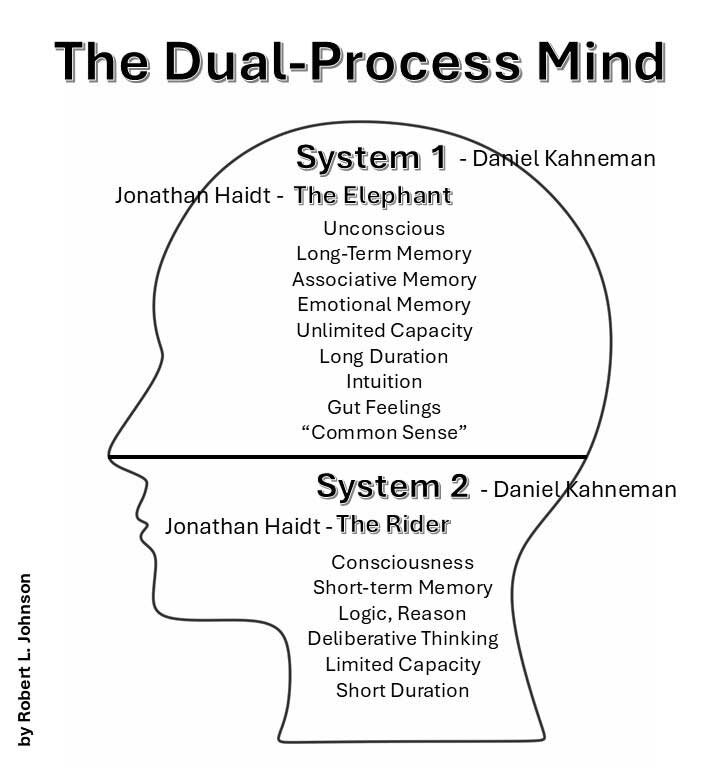
System 1: The Intuitive Mind This is your gut reaction. It's fast, automatic, and emotional. System 1 operates effortlessly, handling things like recognizing a friend's face, driving on an empty road, or getting a "bad feeling" about something. It relies on patterns, past experiences, and mental shortcuts to make quick judgments. This is the source of our intuition.
System 2: The Rational Mind This is your deliberate, analytical mind. It’s slow, logical, and requires conscious effort. You engage System 2 when you solve a math problem, compare two different phone plans, or learn a new skill. This is where reasoning happens. It can override the impulsive suggestions of System 1, but it takes energy and focus.
A good decision often involves a balance between both systems. Intuition points you in a direction, and reasoning helps you check if the path is sound.
A Basic Decision Model
While many decisions are quick and intuitive, more complex choices benefit from a structured approach. A simple framework can help guide your thinking and ensure you consider the important factors. It breaks the process down into manageable steps.
Let's walk through it with an example: choosing a new laptop.
- Define the Problem: Your current laptop is slow and can't run the software you need. The goal is to get a new one that meets your needs for work and personal use.
- Gather Information: What are your priorities? Battery life, screen size, processing power, budget? Research different brands and models that fit these criteria. Read reviews.
- Identify Alternatives: Based on your research, you narrow it down to three specific laptops: Laptop A (great power, high price), Laptop B (good all-around, mid-price), and Laptop C (very portable, lower price).
- Weigh the Evidence: Compare the pros and cons of each alternative against your priorities. Laptop A is powerful but over budget. Laptop C is portable but might be too slow. Laptop B seems to hit the sweet spot.
- Make the Choice: You decide to purchase Laptop B.
This structured process helps move a decision from a vague feeling into a conscious, reasoned choice. It forces you to clarify what you want and evaluate your options logically.
What is the fundamental definition of decision-making?
You are solving a complex Sudoku puzzle. Which mode of thought are you primarily using?
Understanding these fundamental concepts—the two systems of thought and a simple framework—provides a solid foundation for improving how you make choices every day.