Mastering Automatic Software Testing
Introduction to Software Testing
Why We Test Software
Software is built by humans, and humans make mistakes. The main goal of software testing is to find these mistakes, or bugs, before users do. It's a quality check that ensures an application works as expected, is reliable, and provides a good experience. Think of it as proofreading a book before it goes to print. You're not just looking for typos; you're making sure the story makes sense, the characters are consistent, and the chapters flow logically.
Testing isn't just about finding what's broken. It's also about building confidence. When a piece of software passes its tests, the development team can be more certain that it's ready for the real world. This process verifies that the software meets all the requirements that were set out at the beginning of the project. It confirms that every button click, form submission, and feature performs its intended job correctly.
The core purpose of software testing is to identify defects and ensure that the software meets the specified requirements.
Ultimately, thorough testing saves time and money. Finding and fixing a bug early in development is far cheaper and easier than fixing it after the product has been released to thousands of users. A bug found in the wild can damage a company's reputation and lead to frustrated customers.
Human vs. Machine
There are two broad approaches to testing: manual and automated.
Manual testing is exactly what it sounds like. A human tester, often called a Quality Assurance (QA) engineer, interacts with the application directly. They click through the screens, input data, and try to break things, just like a real user would. This approach is great for catching issues related to user experience and visual design, things that a machine might miss. Is a button hard to find? Is the layout confusing on a certain screen? A human can spot these problems easily.
Manual testing relies on human intuition and exploration to uncover usability flaws and edge cases that automated scripts might not cover.
Automated testing uses software to run tests. Engineers write scripts that automatically check specific parts of the application. These tests can be run over and over again, very quickly and at any time of day. This is perfect for repetitive tasks that would be tedious for a human, like checking if a login form works after every single code change.
Most modern software projects use a combination of both. Automation handles the repetitive, predictable checks, freeing up human testers to focus on more creative and exploratory testing where their unique perspective is most valuable.
The Layers of Testing
Testing isn't a single activity but a series of checks performed at different levels of detail. Imagine building a car. You wouldn't wait until the entire car is assembled to see if the engine works. You'd test each component individually, then test them together, and finally test the whole car. Software testing follows a similar layered approach, often visualized as a pyramid.
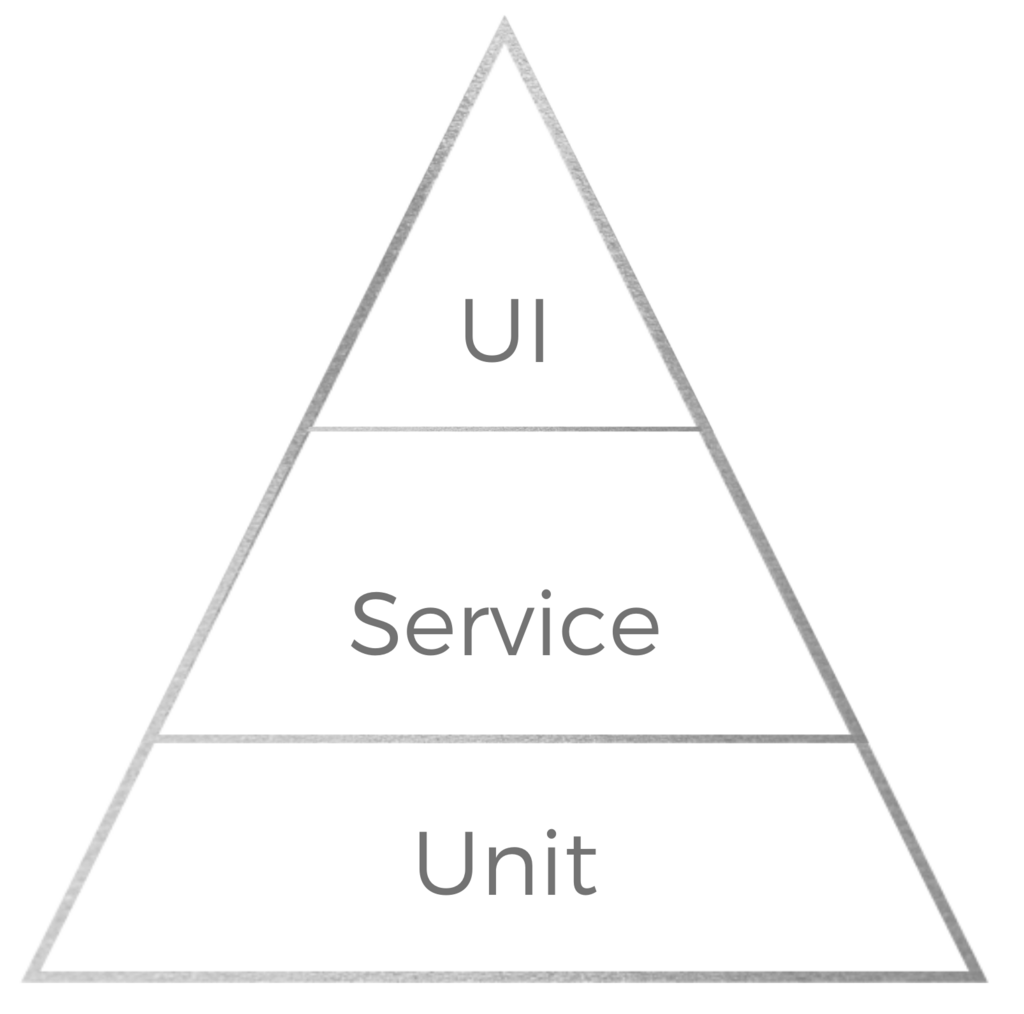
Unit Testing is the first and most fundamental level. Here, individual pieces of code, or "units," are tested in isolation. A unit is the smallest testable part of an application, like a single function or method. These tests are fast, easy to write, and form the wide base of the testing pyramid. They ensure that each building block works correctly on its own.
Integration Testing is the next step up. After verifying the individual units, we need to check if they work together. Integration tests combine different parts of the code and test them as a group. For example, does the user login function correctly communicate with the database to verify a password? These tests check the connections and data flow between different modules.
System Testing moves up another level to test the entire application as a whole. At this stage, the software is fully assembled and is tested in an environment that's as close to the real production environment as possible. The goal is to verify that the complete, integrated system meets all of its specified requirements from start to finish.
Acceptance Testing is the final level. This is where the stakeholders, or sometimes the actual end-users, test the software to see if it meets their needs and is ready for release. It's less about finding code-level bugs and more about answering the question: "Did we build the right product?" This is the final sign-off before the software goes live.
Different Kinds of Tests
Beyond the different levels, tests can also be categorized by what they are trying to achieve. These types of tests can be performed at any level of the pyramid.
Functional Testing
noun
Verifies that the software performs its specified functions correctly. It's about testing what the system does.
Functional tests check the specific business requirements of an application. If you click the save button, does it save your data? If you request a password reset, do you receive an email? These tests are based on the product's specifications and user stories.
Non-functional testing, on the other hand, checks how the system works. This includes things like:
- Performance: How fast does the application respond? Can it handle many users at once?
- Security: Is the user data safe from unauthorized access?
- Usability: Is the application easy to use and understand?
These qualities are just as important as the core features for creating a good product.
Regression Testing
noun
The process of re-running tests to ensure that recent code changes have not adversely affected existing features.
Software is constantly changing. New features are added and bugs are fixed. Regression testing ensures that these changes don't accidentally break something that was already working. It's a safety net that protects against unintended side effects. This is where automated tests are particularly powerful, as they can quickly re-test large parts of the application after every change.
Finally, Exploratory testing is a more freeform approach. Instead of following a strict test plan, the tester explores the application, learns about it, and designs new tests on the fly. It relies on the tester's creativity, intuition, and experience to discover bugs that might not be caught by pre-written test cases. It's like a detective investigating a scene, looking for clues and following hunches.
Now, let's check your understanding of these core software testing concepts.
What is the primary goal of software testing?
Which level of testing focuses on verifying that individual functions or methods work correctly in isolation?
Understanding these fundamental levels and types of testing provides a solid foundation for ensuring software quality. Each plays a distinct role in catching bugs and building confidence that the final product will meet user expectations.