Mastering Automated Engineering
Introduction to Automation
What is Automation?
At its core, automation is about using technology to do a job with less human help. It's not just about robots on an assembly line. It can be as simple as an app that automatically pays your bills or as complex as a system that manages an entire city's power grid. The main goal is always the same: to make processes more efficient, productive, and safer.
Industrial automation refers to the use of advanced technologies and control systems to automate manufacturing processes, increase efficiency, reduce human intervention, and enhance overall productivity.
Think about sending a letter. The manual process involves writing it, finding an envelope, adding a stamp, and taking it to a post office. The automated version is email. You type your message and click send. The technology handles the rest, delivering it almost instantly. This frees up your time and energy for other tasks.
automation
noun
The use of technology to perform tasks that were previously done by humans, aimed at increasing efficiency, reliability, and speed.
A Quick History
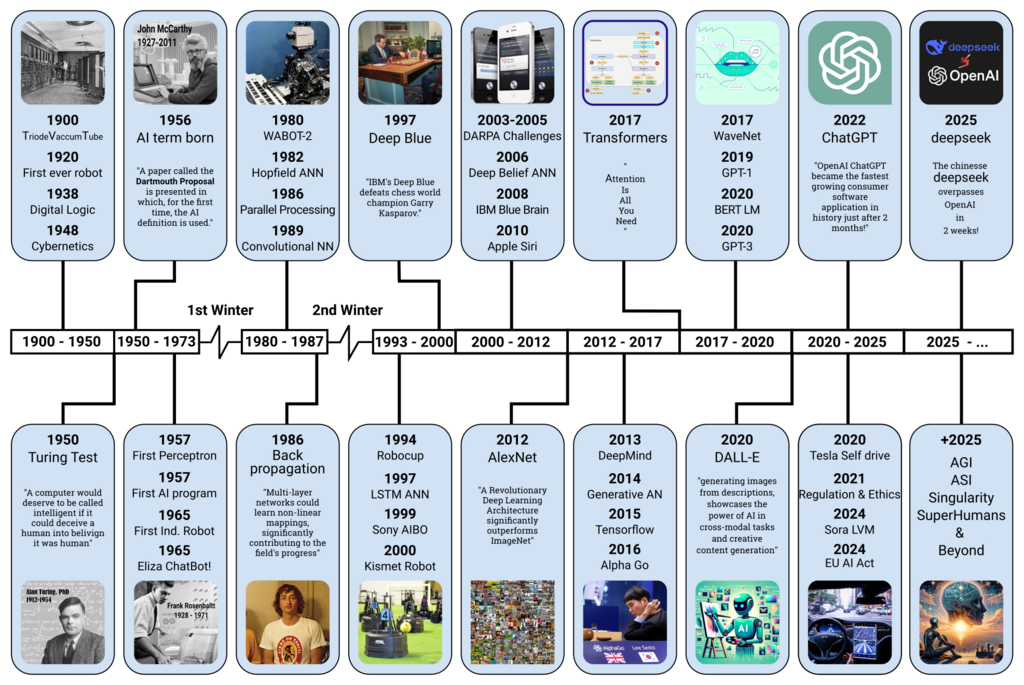
Automation isn't a new idea. Early forms existed centuries ago, like windmills that ground grain without manual labor. But the game changed during the Industrial Revolution. Mass production, famously optimized by Henry Ford's moving assembly line for cars, was a form of fixed automation. It made manufacturing faster and cheaper than ever before.
The next big leap came with computers. The invention of the transistor in 1947 and the programmable logic controller (PLC) in the late 1960s brought digital control to the factory floor. For the first time, machines could be easily reprogrammed to perform different tasks. This paved the way for modern robotics and the highly flexible manufacturing systems we see today.
Types of Automation
Not all automation is the same. It's generally categorized into three main types, each suited for different production needs. The choice depends on the variety of products being made and the volume of production required.
Here’s a breakdown of each type:
| Type | Best For | Key Feature | Example |
|---|---|---|---|
| Fixed | High volume, low variety | Equipment is dedicated to a single task. | A bottling plant that only fills one type of bottle. |
| Programmable | Batches of different products | Equipment can be reprogrammed between batches. | A CNC machine that cuts different metal parts. |
| Flexible | Medium volume, high variety | System can handle product variations with no downtime. | A robotic assembly cell that builds different models of a smartphone. |
Fixed automation, sometimes called "hard automation," is all about specialization. The equipment is designed to do one thing, and it does it very well and very quickly. It's expensive to set up, but the high production rate makes the cost per unit very low.
Programmable automation is used when you need to make different products using the same equipment. A factory might produce one batch of parts, then reprogram the machines to produce a completely different batch. The reprogramming takes time, so it's best for producing in batches rather than mixing products continuously.
Flexible automation is the most advanced. It's an extension of programmable automation but with a key difference: the time it takes to switch between products is almost zero. This is often achieved with sophisticated robotic systems that can be programmed offline and can quickly change their own tools.
Why Bother with Automation?
The benefits of automation are significant. Companies use it to increase productivity, since machines can work 24/7 without getting tired. It improves quality by reducing human error, leading to more consistent products. Automation also enhances safety by taking over dangerous or physically demanding jobs, like working with hazardous chemicals or lifting heavy objects.
However, it's not without its challenges. The initial investment in automation technology can be very high. It also requires a skilled workforce to design, operate, and maintain these complex systems. And, of course, there's the societal impact, as automation can displace workers from jobs that involve repetitive manual labor.
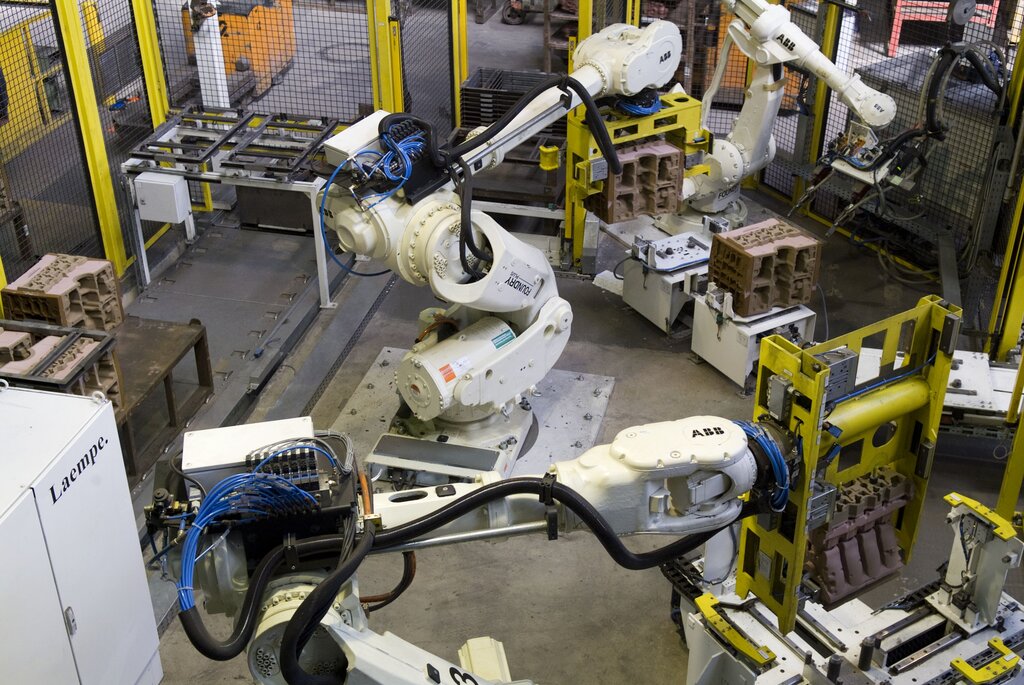
From car manufacturing and food processing to logistics and even surgery, automation is everywhere. It’s a powerful tool that has reshaped industries and continues to drive innovation.
What is the primary goal of automation?
A factory needs to produce 500 units of Product A, then switch its machinery to produce 300 units of a different Product B. This changeover takes several hours of reprogramming. Which type of automation is best suited for this scenario?